
Repeated allergic reactions in the elderly: symptoms and risks
Seniors may experience recurring allergic episodes affecting multiple body systems, requiring careful medical evaluation.
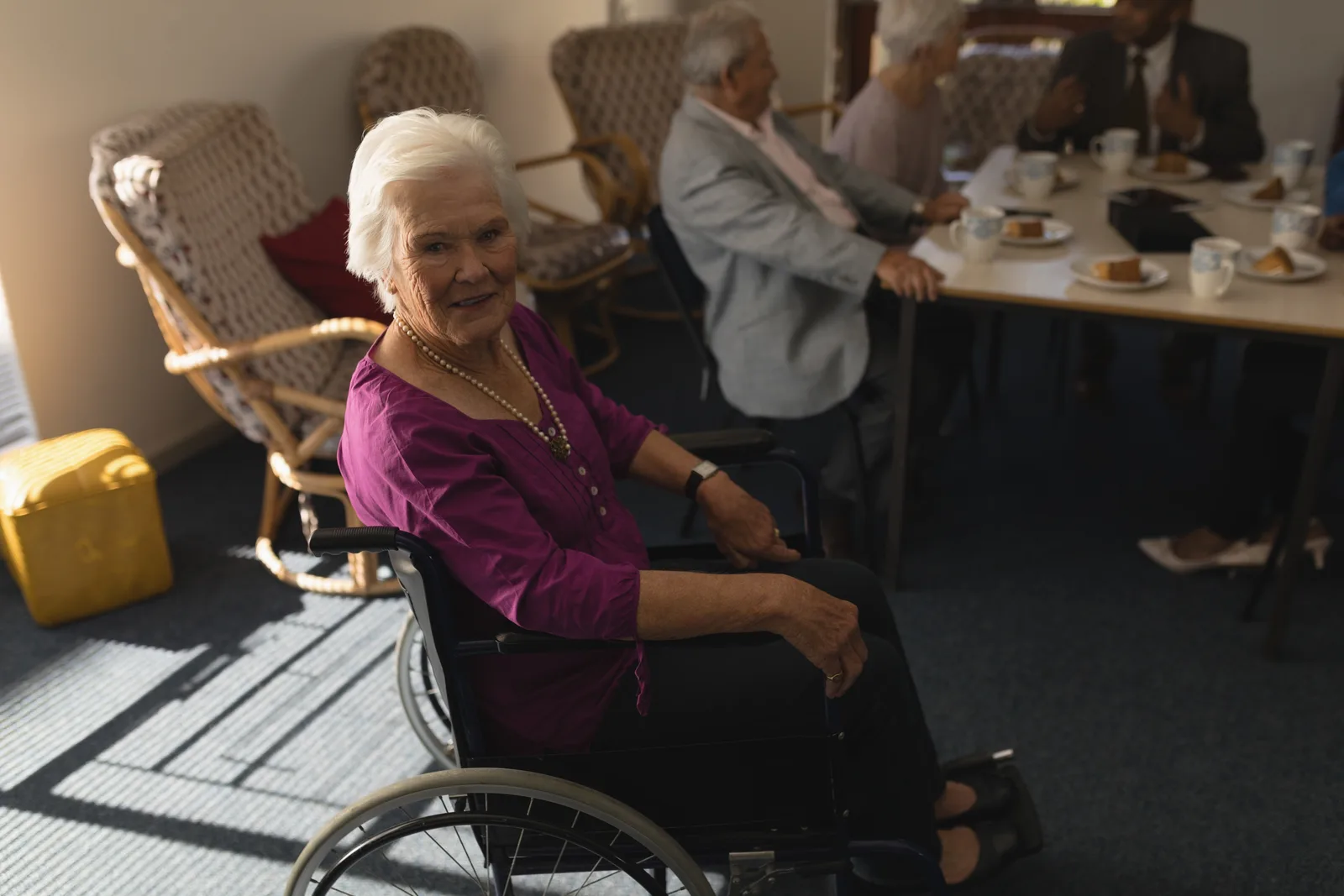 Foto ilustrativă
Elderly people often experience recurring episodes of allergic reactions that can significantly affect their quality of life. These reactions are characterised by skin redness, intense itching sensations, the appearance of urticaria, as well as cardiovascular symptoms such as palpitations and a drop in blood pressure.
The digestive system may also be affected, with symptoms manifesting as abdominal cramps and episodes of diarrhoea. A particularly concerning aspect of these reactions is that they occur without an obvious trigger, making diagnosis and treatment more difficult.
In older people, these allergic reactions can be especially dangerous due to the ageing immune system and the presence of associated chronic conditions. Age-related changes in immune system functioning can lead to allergic responses that are more intense and harder to control.
Medical evaluation becomes essential when symptoms appear across multiple body systems simultaneously. Doctors must conduct a thorough review of the patient's medical history, identify potential allergens in their living environment, and assess the medications being administered.
Managing these reactions in elderly patients requires an integrated approach that takes into account age-related particularities. Family members and carers must be trained to recognise the early signs of an allergic reaction and to know when to seek emergency medical assistance.
Content paraphrased and adapted by SeniorHelp from verified public sources.
Original source: Realitatea →Previous article
How to quickly check your ANAF debts from the comfort of your home – a guide for seniors
Next article
First AI-developed vaccine tested on humans – promising results for older adults
Similar news
Peripheral Arteriography: the investigation that reveals blockages in the arteries of the legs and arms
25 September 2026

Socola Study: 6 in 10 Romanians Quickly Forget Essential Details. When Should We Be Concerned
25 September 2026

Palpitations, high blood pressure, chest pain: when you need a cardiologist
24 September 2026
Radiotherapy in the treatment of lung cancer: when and how it is used
24 September 2026
Aerophagia: when bloating and belching come from swallowed air, not from food
23 September 2026
Nearly 300,000 Romanians have dementia, and the number could reach 400,000 by 2050
22 September 2026