
First Case of Leprosy in Romania After 44 Years: What Seniors Need to Know About This Disease
Ministerul Sănătății (Romania's Health Ministry) confirms the first case of leprosy since 1981. Authorities explain that the risk to the general population is low, and that the disease is not transmitted through casual contact.
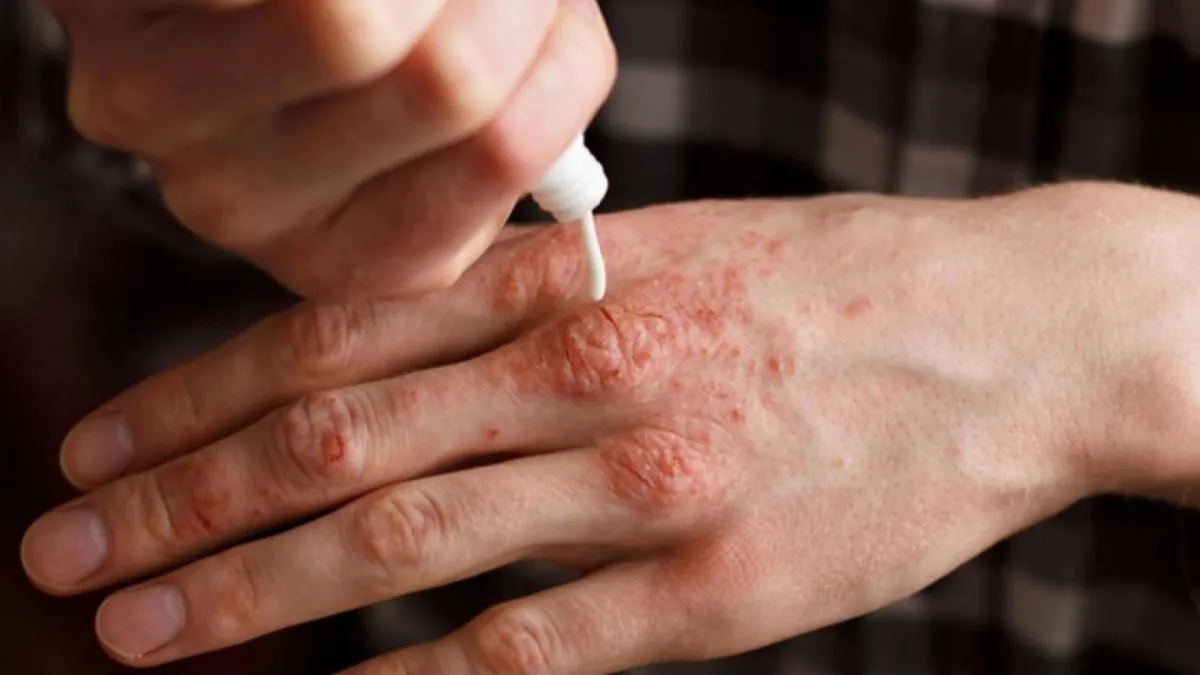
Romania is facing a rare epidemiological situation: the first confirmed case of leprosy after a 44-year absence. The Ministry of Health (Ministerul Sănătății) has announced the identification of a Mycobacterium leprae infection in a young woman employed as a masseuse at a salon in Cluj-Napoca, whilst three other suspected cases remain under investigation.
For the elderly population, this news may cause concern, particularly given that older people can have a more vulnerable immune system. Nevertheless, health authorities stress that leprosy is a disease with low contagiousness, requiring prolonged contact for transmission, and that the risk to the general population remains very low.
All four individuals under investigation are women of Asian origin from Indonesia, who worked at the same massage salon. The confirmed case was diagnosed on the basis of a skin biopsy that revealed the presence of the specific bacterium, whilst tuberculosis tests came back negative, ruling out that possibility.
Firm prevention and control measures
Health authorities immediately implemented a strict epidemiological control protocol. The salon in question has been temporarily closed and all premises have undergone ozone disinfection. All employees have been scheduled for mandatory medical examinations, and the epidemiological investigation is being extended to identify all possible contacts.
The Minister of Health, Alexandru Rogobete, has ordered the intensification of epidemiological surveillance at national level and has requested international assistance from the World Health Organisation and the European Centre for Disease Prevention and Control (ECDC) to validate diagnostic and treatment protocols.
Essential information for older people and their families
To allay the understandable concerns of the elderly population, specialists explain that leprosy is not transmitted through ordinary social contact. Shaking hands, embracing, travelling on public transport, or using shared spaces carry no risk of infection. Transmission requires prolonged exposure and close contact with an untreated infected person.
The confirmed patient has already begun the specific treatment recommended by the World Health Organisation. Once therapy is initiated, the risk of transmission decreases dramatically until it disappears entirely, in accordance with international medical protocols. This is particularly important for older people who may come into contact with individuals from endemic regions.
Leprosy, also known as Hansen's disease, is caused by the bacterium Mycobacterium leprae, which develops extremely slowly in the body. For this reason, identifying the precise source of infection is difficult, and symptoms may appear months or even years after the initial contact. In Romania, the last case had been diagnosed in 1981, and across Europe cases are sporadic, occurring mainly in people from endemic areas in Asia, Africa, or Latin America.
The Ministry of Health assures the public that the situation is being managed with the utmost responsibility, and that the State Sanitary Inspectorate will monitor the progress of this case on a daily basis, in coordination with local and national public health teams. For older people in Romania, this situation serves above all as a reminder of the importance of maintaining good hygiene practices and medical vigilance, rather than being any genuine cause for panic.
Content paraphrased and adapted by SeniorHelp from verified public sources.
Original source: Realitatea →Previous article
Inflation at 9.8% hits pensioners hard - services and medicines see steepest price rises
Next article
Elderly Women and the Cold: Why Senior Women Are More Sensitive to Low Temperatures
Similar news

Microplastics in tap water can be reduced through boiling and filtering, a study shows
16 October 2026
Over 350,000 doses of flu vaccine to arrive in pharmacies next week
16 October 2026
First influenza-related death of this season confirmed by INSP: unvaccinated man from Cluj
16 October 2026
Partial Nephrectomy: The Operation That Treats Kidney Tumours and Preserves the Kidney
16 October 2026

Time spent in nature could improve one's relationship with food, a British study suggests
16 October 2026
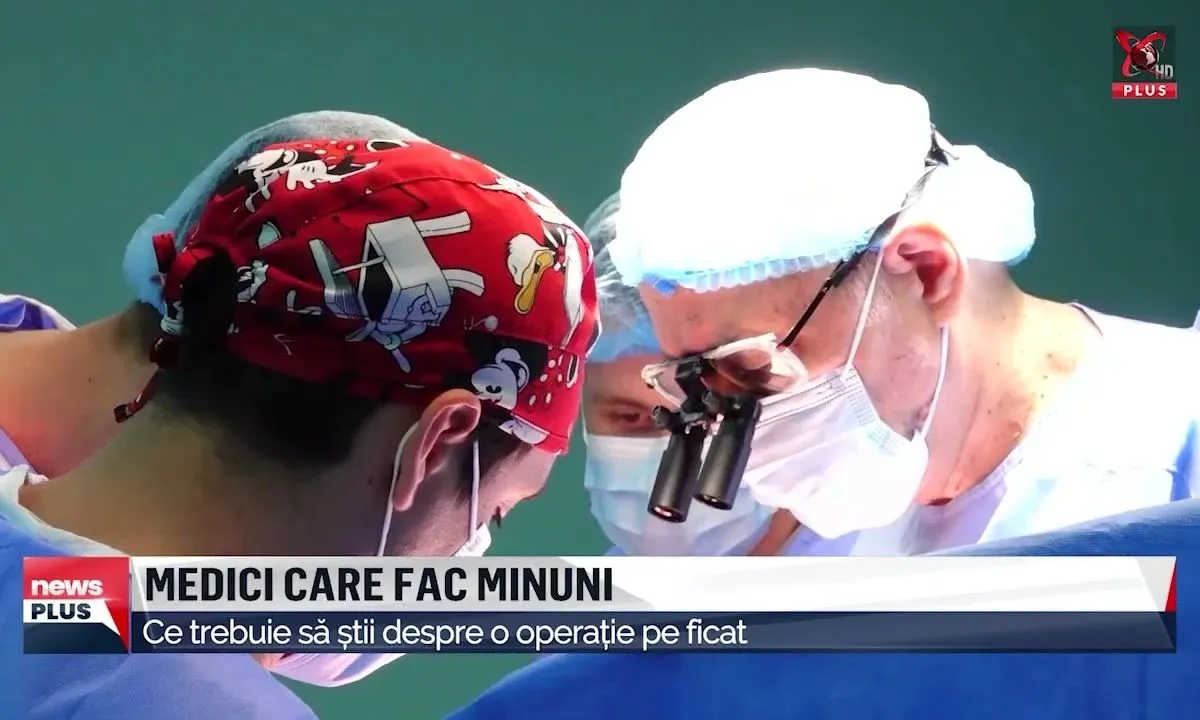
What a liver operation involves: preparation and recovery
15 October 2026