
The Christmas danger for seniors: cold weather and overindulgence dramatically increase the risk of heart attack
Specialists warn that the period between Christmas and New Year is the most dangerous for the hearts of elderly people.
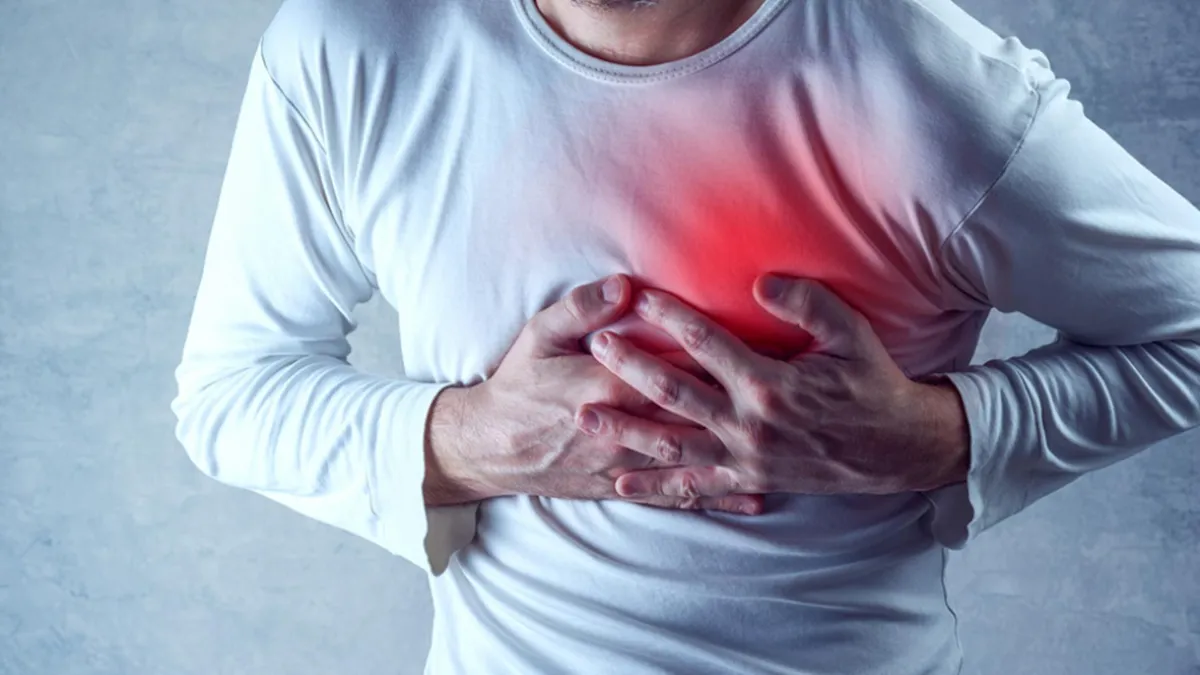
The winter holiday period is one of the most dangerous times of year for the cardiovascular health of older adults. Medical statistics confirm that the days between Christmas and New Year record the highest number of myocardial infarctions and other serious cardiac events, making this period a genuine threat to elderly people.
Low temperatures are the primary risk factor, with a direct impact on the cardiovascular system. Every degree below zero increases the risk of heart attack by approximately 2% — an alarming figure that is further amplified in elderly people with a history of cardiac conditions. Cold causes blood vessels to contract, forcing the heart to pump harder in order to maintain circulation, which can place excessive strain on an already fragile cardiovascular system.
Dietary excess and alcohol consumption, both characteristic of the festive season, compound the risks for vulnerable older adults still further. Heavy, fat-rich meals place considerable strain on the digestive and circulatory systems, whilst alcohol can interact dangerously with cardiac medications and trigger fluctuations in blood pressure.
Elderly people with a cardiac history are advised to take strict preventive measures during this critical period. Avoiding prolonged exposure to cold temperatures, limiting strenuous physical exertion, and exercising moderation in diet can make all the difference between a peaceful celebration and a medical emergency.
Symptoms that require immediate medical attention include chest pain, difficulty breathing, dizziness, and a sensation of pressure in the chest. For families with elderly relatives, vigilance during this period is essential, and prompt access to emergency medical services can save lives. Preparing a list of emergency telephone numbers in advance and maintaining regular contact with the family doctor are sensible precautions for navigating this risky period safely.
Content paraphrased and adapted by SeniorHelp from verified public sources.
Original source: Realitatea →Previous article
Romanian pensioners forced to choose between heating, food and medicine due to utility bills
Next article
Austerity Measures for 2026: Major Impact on Pensioners and Senior Citizens
Similar news

Why We Feel More Tired in Autumn: What the Specialists Say
7 October 2026
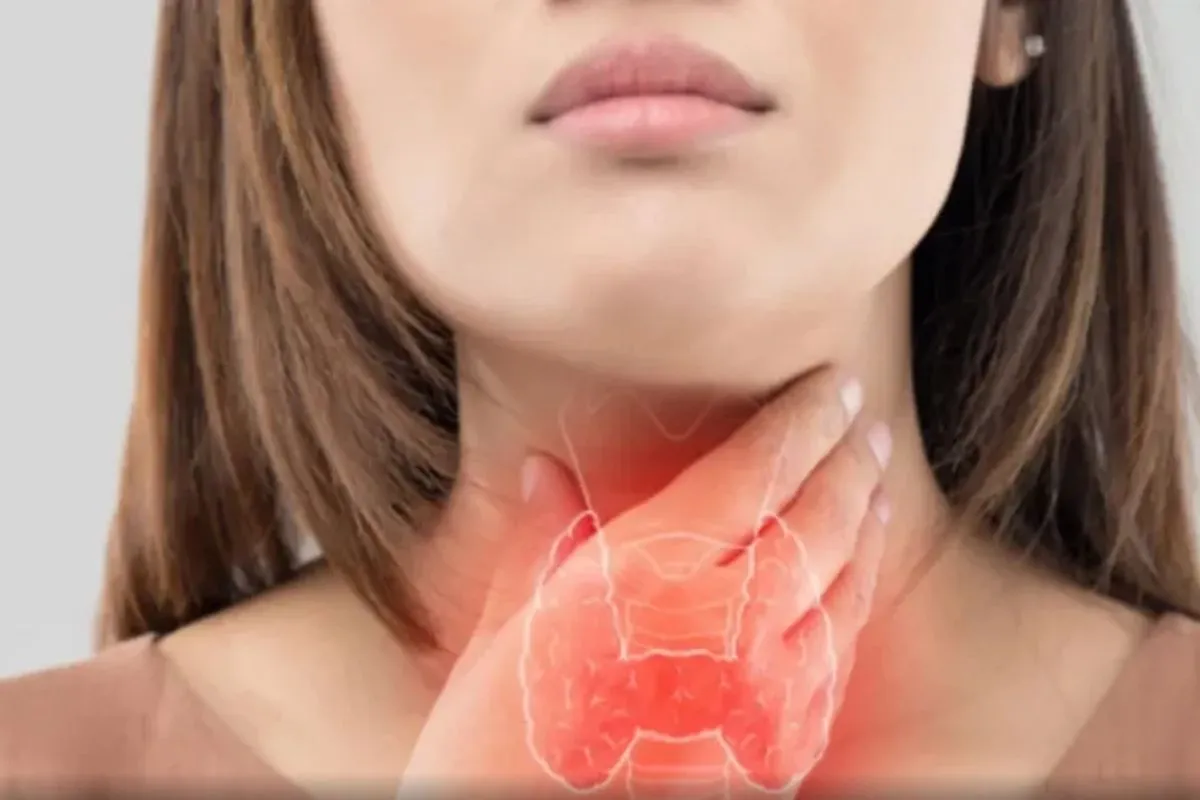
Thyroid Nodules: What an Ultrasound Reveals and When Further Tests Are Needed
6 October 2026

Winter Time and the Body: What Studies Show About Sleep, Energy and Health
5 October 2026
Recurring heartburn can be a sign of gastro-oesophageal reflux disease
5 October 2026

How to Choose the Right Pillow for Sleep. Signs That It Needs Replacing
3 October 2026

Japanese Monk Begins 12 Years of Total Isolation: What Science Says About the Effects of Loneliness
3 October 2026