
Austerity Measures for 2026: Major Impact on Pensioners and Senior Citizens
The new package of government measures to reduce the deficit could affect social services and pensioners' incomes.
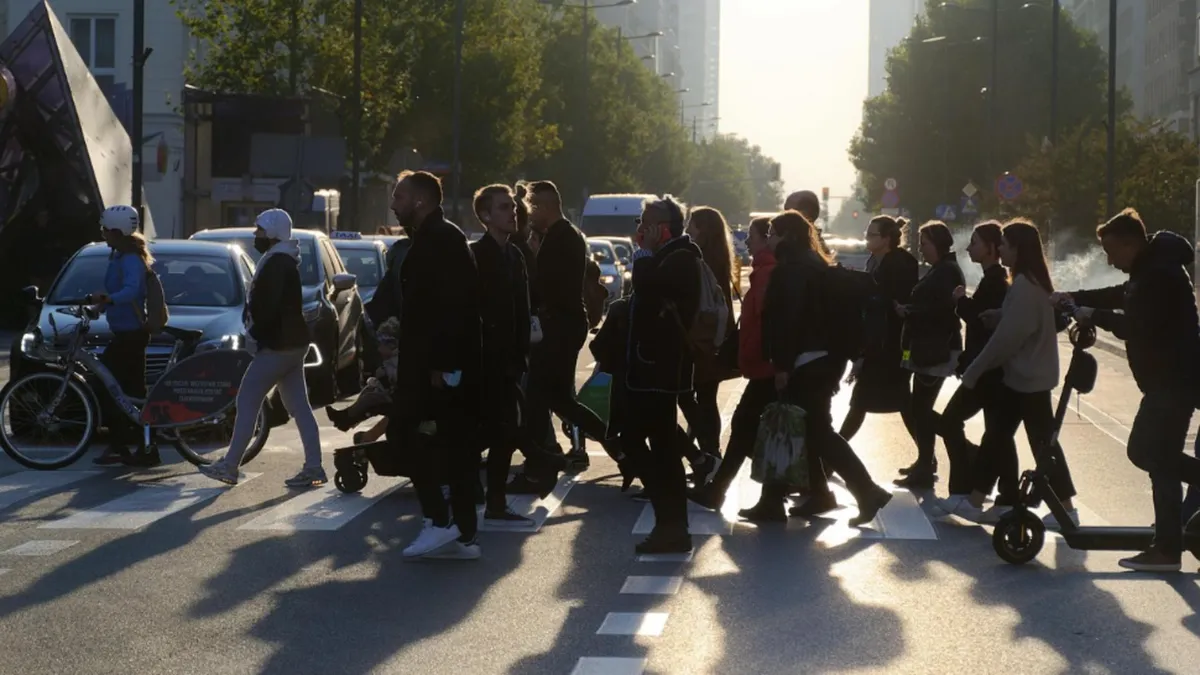
The Government has adopted a new package of economic measures aimed at reducing the budget deficit from 7.15% in 2024 to 6–6.5% in 2026, through austerity measures that could have a significant impact on the elderly population.
Public sector pay freeze
One of the most significant measures is the freeze on public sector salaries in 2026. This decision directly affects medical and social care staff working within the public health and care system — sectors essential to older people. The quality of medical and social services for the elderly could be influenced by this measure.
Spending cuts with social impact
The package includes a 10% reduction in funding for political parties and minority groups, as well as the postponement of certain planned increases in social spending. These measures could affect social assistance programmes intended for older people and other vulnerable individuals in this age group.
Limited support measures for the population
On a more positive note, the government is maintaining some forms of support: 300 RON of the minimum wage will remain tax-free until July 2026, and energy vouchers will be set at 50 RON per month in 2026. Eligibility criteria for vulnerable energy consumers will be retained, which may benefit pensioners on low incomes.
Impact on local services
Local authorities will have access to Treasury loans worth 500 million RON for PNRR (National Recovery and Resilience Plan) projects and 200 million RON for the district heating fund. These measures may support local infrastructure that also serves the elderly population.
Outlook for pensioners
Although the measures do not directly target pensions, the broader austerity context and the reduction in public spending could indirectly affect the quality of medical and social services available to older people. The public health system, already under considerable strain in caring for the elderly, may face additional challenges in the context of the pay freeze for medical staff.
Content paraphrased and adapted by SeniorHelp from verified public sources.
Original source: Realitatea →Previous article
The Christmas danger for seniors: cold weather and overindulgence dramatically increase the risk of heart attack
Next article
Winter Holidays, a Danger to Seniors' Hearts - What Families Need to Know
Similar news
Average net salary fell to 5,688 RON in August, below inflation
13 October 2026

Annual inflation rose to 6.61% in September, INS announces
13 October 2026
Higher bills this winter: Hidroelectrica raises energy prices, gas prices are also on the rise
11 October 2026

Electricity bills could rise by 12-15%, energy suppliers warn
9 October 2026

BNR explains why the euro has climbed to new all-time highs against the leu
8 October 2026

BNR Keeps Key Interest Rate at 6.50%. Inflation Falls, Economy Remains Fragile
8 October 2026