
Heatwave danger for seniors: sudden temperature changes are just as dangerous as the heat itself
The heatwave poses a major risk to elderly people not only through high temperatures, but also through sudden shifts from heat to cold. Cardiologists are warning about common mistakes.
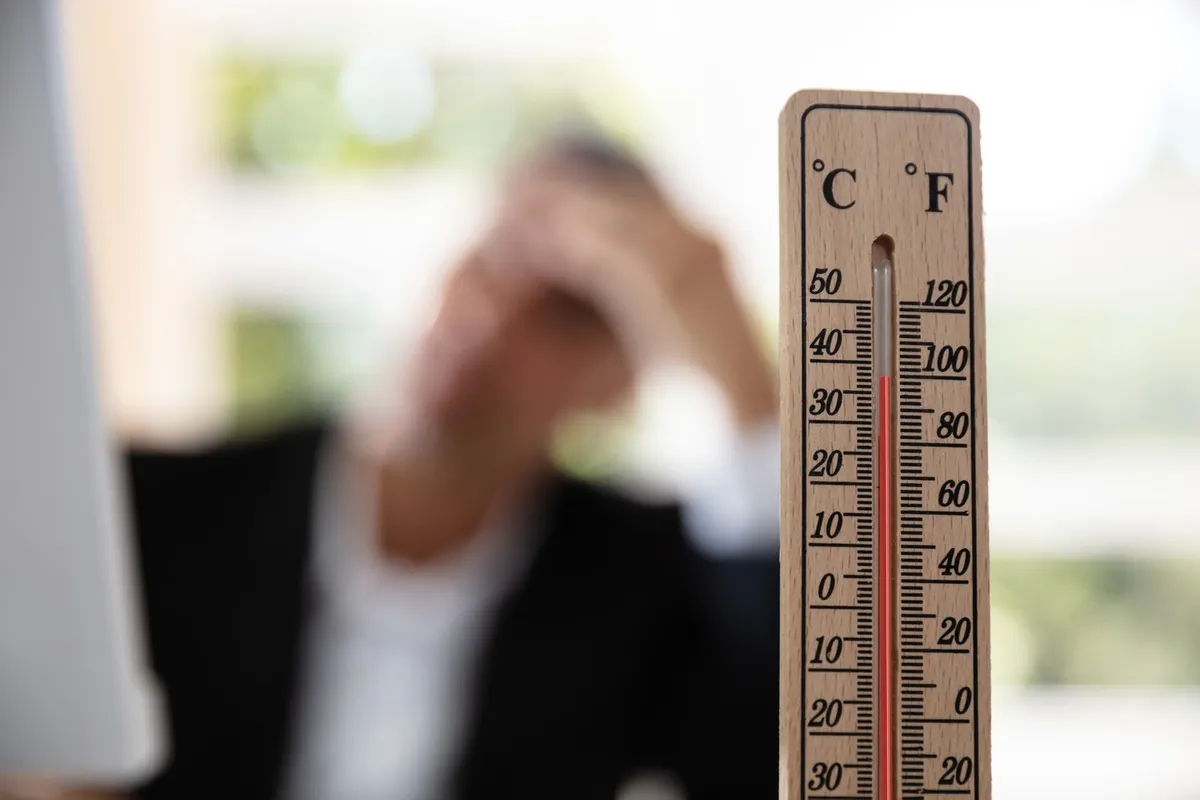
Heatwaves and the hidden risks for elderly people
Heatwave periods pose a genuine threat to the health of older adults; however, doctors warn that high temperatures are not the only concern. Sudden transitions from outdoor heat to air-conditioned homes, shops, or vehicles can be equally harmful to the body, particularly in the case of elderly people.
The warning from cardiology specialists
Cardiology specialists emphasise that rapid temperature changes place the heart and cardiovascular system under significant stress. For older adults, whose adaptive mechanisms are already weakened by age or chronic conditions, this stress can trigger serious episodes, including heart attacks or strokes.
Common mistakes made by seniors during summer
- Entering a heavily cooled room abruptly after prolonged exposure to the sun
- Setting the air conditioning to very low temperatures, with differences of more than 8–10 degrees compared to outside
- Sitting in front of a fan or air conditioning unit whilst wearing sweat-dampened clothing
- Stepping suddenly into outdoor heat after spending hours in cool spaces
Recommendations for protecting your health during heatwaves
Doctors recommend that the temperature difference between indoors and outdoors should not exceed 7–8 degrees Celsius. Additionally, older adults should avoid going outside between 11:00 and 17:00, stay properly hydrated, and wear light clothing made from natural fabrics. Before entering a cool space, a brief period of acclimatisation is advisable.
Family members and carers of elderly people must remain alert to signs of dehydration or heat stroke, such as dizziness, nausea, pallor, or loss of consciousness, and should seek emergency medical assistance at the very first warning sign.
Content paraphrased and adapted by SeniorHelp from verified public sources.
Original source: Digi24 →Previous article
INSP: avoid sun exposure between 11:00-18:00 and alcohol during the heatwave
Next article
Heatstroke can be fatal for the elderly: emergency heatwave guide issued by authorities
Similar news

He Survived Colon Cancer Three Times. He Hid the First Sign for Years
13 October 2026
DXA Osteodensitometry: how bone density and fracture risk are assessed
13 October 2026
Chronic inflammation can damage the heart before symptoms appear, shows a study of 488,000 people
13 October 2026

Hepatitis A in Constanța: 23 outbreaks, 130 cases, under DSP monitoring
12 October 2026
 Foto ilustrativă
GPs warn: flu vaccination should not be delayed
11 October 2026

GPs recommend flu vaccination before the epidemic spreads
11 October 2026