
INSP: avoid sun exposure between 11:00-18:00 and alcohol during the heatwave
The National Institute of Public Health has issued heatwave recommendations, with particular attention to the elderly, children, and people with chronic illnesses.
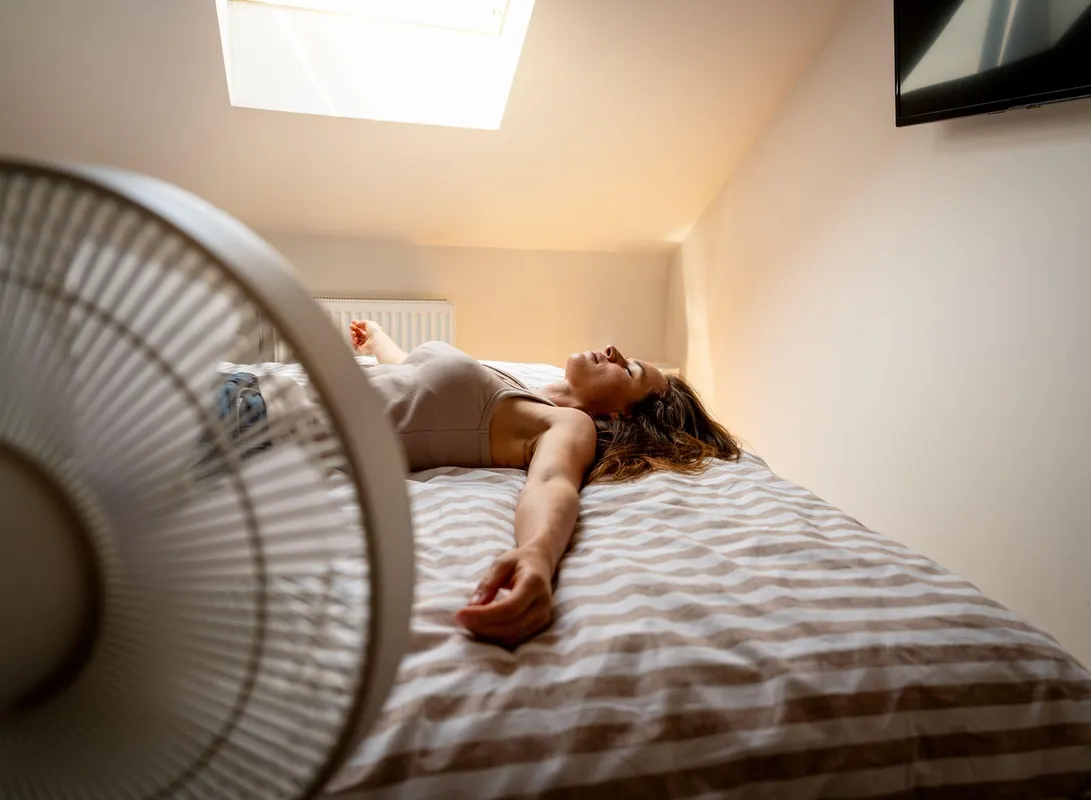
The National Institute of Public Health (INSP) issued a series of recommendations on Friday for the heatwave period, warning that heat stress is the leading weather-related cause of death and can worsen cardiovascular disease, diabetes, mental health conditions and asthma, whilst also increasing the risk of accidents and the spread of infectious diseases. Specialists stress that heatstroke is a medical emergency.
Who is most at risk
According to INSP, vulnerability to heat depends on both physiological factors — age (older adults, infants, children) and chronic illness — and exposure factors, such as working outdoors or in spaces without ventilation or air conditioning, as well as socio-economic conditions, including homelessness or living in poorly constructed homes that cannot be adequately cooled.
General recommendations
- Avoid prolonged direct sun exposure, particularly between 11:00 and 18:00.
- Apply sun protection cream to exposed areas and avoid strenuous outdoor activities.
- Stay in the shade — the perceived temperature in direct sunlight can be 10–15 degrees higher than the actual temperature.
- Spend 2–3 hours a day in a cool place.
- Monitor official weather warnings regarding heatwave periods.
- Stay in touch with elderly neighbours, relatives or acquaintances, or those with health conditions, and check on their wellbeing.
How to cool your home
- Keep windows closed whilst the outside temperature is higher than the temperature indoors, and cover them with blinds or shutters to block direct sunlight.
- Ventilate your home at night, after dark, when the outside temperature drops below the indoor temperature.
- Switch off any electrical appliances you are not using.
- Use electric fans only when the temperature is below 40 degrees — above this threshold, fans actually heat the body.
Protecting your body
- Wear light, loose-fitting, wide clothing made from natural fibres, preferably in light colours, along with a hat and sunglasses when going outside.
- Take showers or baths with cool water to lower your body temperature.
- Cool your skin with a damp towel, a water spray, or light, wet clothing.
- Drink water regularly without waiting until you feel thirsty — a glass per hour and at least 2–3 litres per day.
- Avoid alcohol, including beer or wine, as it promotes dehydration and reduces the body's ability to cope with heat.
- Avoid drinks high in caffeine (coffee, tea, cola, energy drinks) or high in sugar (fizzy drinks).
- Avoid hot foods and those that are difficult to digest.
- Eat more fresh vegetables and fruit with a high water content, such as cucumbers, tomatoes, honeydew melon, watermelon, or plums.
Take care with children and babies
INSP emphasises that children and animals should never be left in parked vehicles, even for a short time, as the interior temperature can rise rapidly to dangerous levels.
Children under 6 months should not be exposed to direct sunlight, and their protective clothing — light and loose-fitting — should cover their arms and legs. A pram should never be covered with dry fabric, as this increases the temperature inside.
"Always protect your child's head, face, ears and neck with a wide-brimmed hat. You may use UVA/UVB-protective sunglasses designed for babies. Avoid outings between 11:00 and 18:00, and choose shaded areas when going for a walk," INSP further advises.
Content paraphrased and adapted by SeniorHelp from verified public sources.
Original source: Digi24 →Previous article
Botoșani County Hospital, hiring freeze: 900 posts requested but not approved
Next article
Heatwave danger for seniors: sudden temperature changes are just as dangerous as the heat itself
Similar news
 Foto ilustrativă
Ce poziție de somn e sănătoasă? Un medic explică riscurile unei posturi greșite
8 October 2026

Why We Feel More Tired in Autumn: What the Specialists Say
7 October 2026
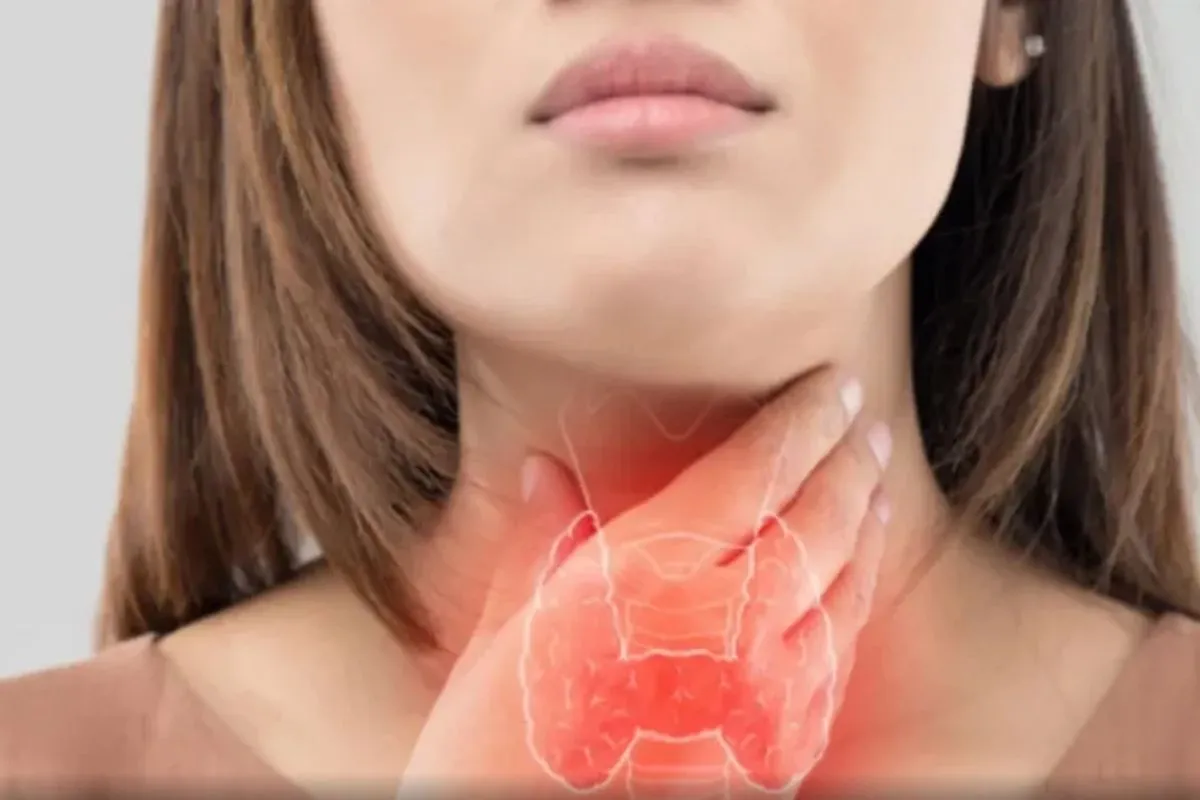
Thyroid Nodules: What an Ultrasound Reveals and When Further Tests Are Needed
6 October 2026
Mușchii, „organul longevității”: de ce slăbesc după 30 de ani și cum pot fi ajutați
6 October 2026

Winter Time and the Body: What Studies Show About Sleep, Energy and Health
5 October 2026
Recurring heartburn can be a sign of gastro-oesophageal reflux disease
5 October 2026