
New Respiratory Virus Threatens Europe - Seniors Among the Highest-Risk Group
A deadly coronavirus, more dangerous than COVID-19, has been confirmed in France. Older adults are the most vulnerable to severe complications.
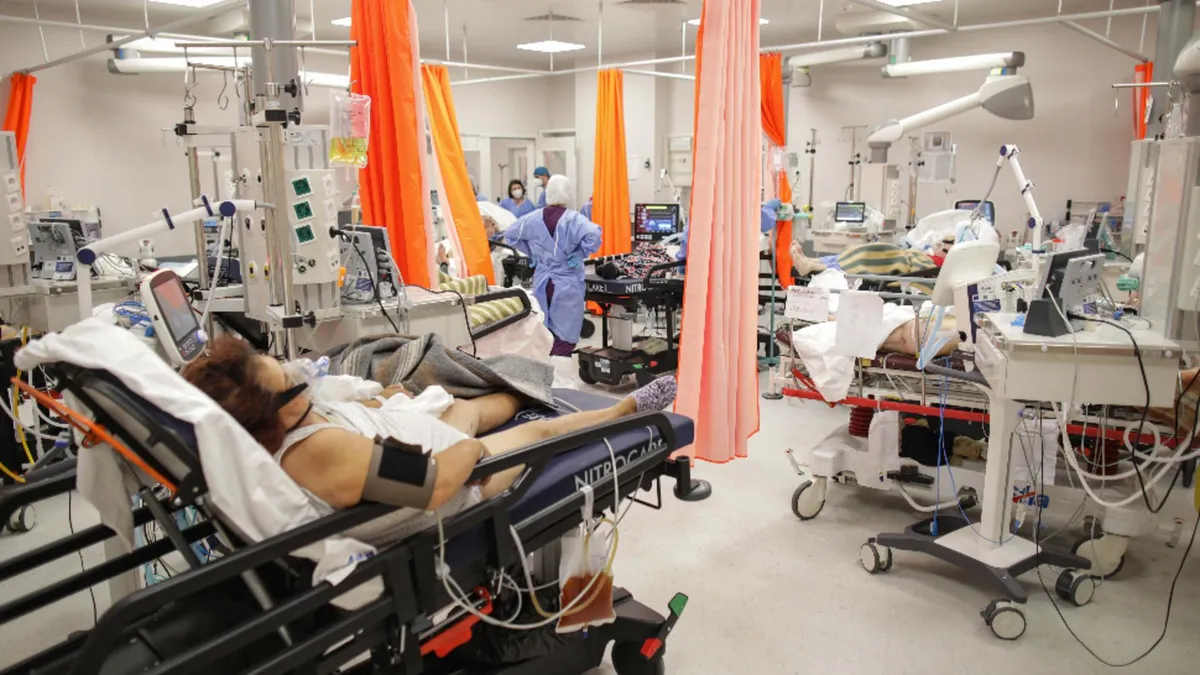
Europe is facing a new health threat following the official confirmation in France of a coronavirus considered far more dangerous than COVID-19. The World Health Organisation has issued a warning that has once again brought fears of a potential health crisis to public attention, with specialists stressing that elderly people represent the most vulnerable group to this infection.
The virus in question is not a recent discovery — this coronavirus was first identified in 2010 in Saudi Arabia and displays characteristics that set it apart from other respiratory infections. Although its transmission rate is lower and its contagiousness reduced compared to other viruses, its capacity to cause fatal cases makes it extremely dangerous, particularly for older people with weakened immune systems or pre-existing chronic conditions.
Europe's healthcare system is already under pressure, with hospitals reporting high occupancy levels due to a rise in respiratory infections. In Romania, authorities have confirmed over 100,000 respiratory infections, a situation that heightens concerns about the system's capacity to respond in the event of a potential epidemic. For elderly people, this strain on the healthcare system can mean delays in diagnosis and treatment — critical factors in the prognosis of the disease.
Public health specialists emphasise that careful monitoring and preventive measures remain essential, particularly given the heightened vulnerability of the elderly population. The symptoms of this coronavirus are predominantly respiratory, which can lead to confusion with seasonal flu or other infections common at this age. For older people living in care homes or receiving home care, the rapid recognition of symptoms becomes crucial.
The lack of adequate health infrastructure remains a major concern. In Romania, despite the experience of the COVID-19 pandemic, no new infectious disease hospitals or specialist monitoring centres have been built. This gap in the public health system places older people at particular risk, as they require specialist medical care and constant monitoring in the event of severe infections.
Doctors are calling for the urgent implementation of health education programmes, with a focus on protecting elderly people and their carers. Families looking after older relatives must be informed about preventive measures, the recognition of early symptoms, and when to seek emergency medical assistance. Care homes and residential centres must review their safety protocols and prepare for the possibility of a local outbreak.
In the current climate, prevention remains the most effective weapon against the spread of the virus within the elderly community. Simple hygiene measures, wearing a mask in crowded spaces, regularly ventilating rooms, and avoiding contact with symptomatic individuals can make the difference between maintaining good health and developing a severe form of the illness in older people.
Content paraphrased and adapted by SeniorHelp from verified public sources.
Original source: Realitatea →Previous article
Emergency Medical Transport for Patients with Severe Burns to Specialised Centres in Belgium
Next article
Liberalisation of the gas market from April 2026 - major impact on pensioners' bills
Similar news
What a liver operation involves: preparation and recovery
15 October 2026
Cardiac MRI: the investigation that provides detailed images of the heart
15 October 2026

Chronic insomnia linked to higher risk of stroke, dementia and hospitalisation, shows study of 1.3 million people
14 October 2026

He Survived Colon Cancer Three Times. He Hid the First Sign for Years
13 October 2026

DXA Osteodensitometry: how bone density and fracture risk are assessed
13 October 2026
Chronic inflammation can damage the heart before symptoms appear, shows a study of 488,000 people
13 October 2026