
Doctors Refuse On-Call Shifts: Seven-Year-Old Pay Rates for 32-Hour Shifts
The hospital crisis is taking its toll on elderly care: exhausted doctors, still paid at 2018 rates, are turning down extra shifts due to poor working conditions.
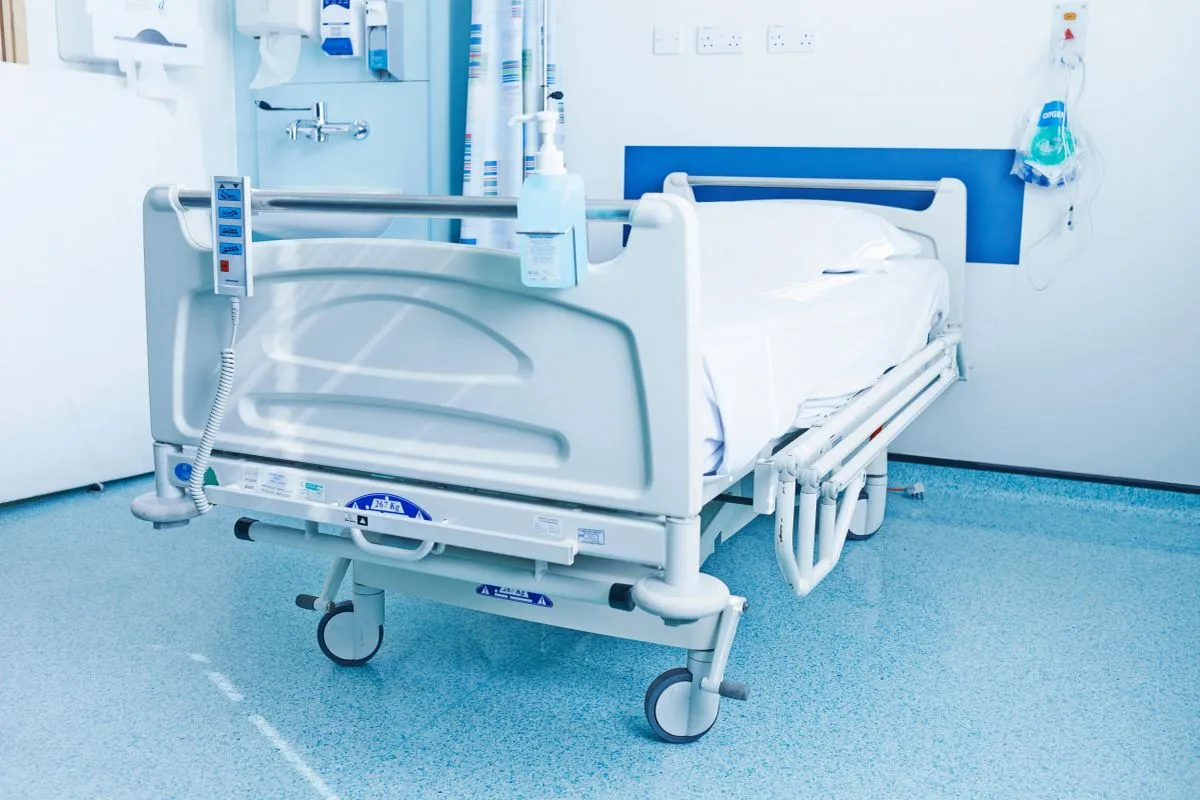
 Foto ilustrativă
The Romanian healthcare system is going through a profound crisis that is directly affecting the quality of care for older people — one of the most vulnerable categories of patients. The situation at Constanța County Hospital, where doctors are refusing to take on additional on-call shifts, reflects a dramatic reality at the national level: medical staff are operating at the edge of exhaustion, under conditions that compromise patient safety.
According to trade union representatives, the reasons for this refusal have nothing to do with a lack of professionalism, but rather with inhumane working conditions. Doctors are sometimes required to work more than 32 consecutive hours — a period during which they must remain alert enough to make life-or-death decisions. This situation is particularly concerning for elderly patients, who require constant, specialised medical attention for multiple chronic conditions.
The paradox is that these gruelling overtime hours are compensated at January 2018 salary rates, even though workloads and the complexity of cases have grown significantly since then. For older people admitted to hospital with complex medical emergencies — strokes, myocardial infarction, diabetic complications, or other age-related conditions — this situation can have devastating consequences.
The medical staffing crisis is having a catastrophic impact on geriatric care. Growing numbers of experienced doctors who specialise in treating elderly patients are migrating to the private sector or abroad, leaving the public system with a critical shortage of specialists. This trend is directly undermining older people's access to quality healthcare, particularly in emergency situations.
Medical burnout is not confined to doctors alone — it affects all healthcare personnel, including nurses, care assistants, and auxiliary staff who work with elderly patients. Many are working seven to eight night shifts per month, again at 2018 pay rates, creating a vicious cycle of exhaustion that compromises the standard of care.
The legal position is clear: doctors cannot be compelled to work additional on-call shifts beyond those stipulated in their contracts, and any refusal to do so cannot be penalised. Nevertheless, the chronic staff shortage keeps up relentless pressure on those who remain in the system, who are forced to cover structural deficits at their own expense.
For families with elderly relatives, this crisis means uncertainty over access to emergency medical care. Older people, who are frequent users of hospital on-call services, risk facing delays in diagnosis and treatment, or even being transferred between medical institutions due to staff shortages.
Resolving this crisis will require a thorough reform of the system — one that includes bringing salaries in line with current responsibilities, improving working conditions, and recruiting new staff. Until that happens, older people and their families remain the most vulnerable in the face of a crisis that threatens the very functioning of the public healthcare system.
Content paraphrased and adapted by SeniorHelp from verified public sources.
Original source: Realitatea →Previous article
Garlic and Honey Combination Boosts Seniors' Immunity in Just 7 Days
Next article
Elderly Chronic and Oncology Patients Affected by Removal of First-Day Sick Leave Payment
Similar news
Hepatitis A in Constanța: 23 outbreaks, 130 cases, under DSP monitoring
12 October 2026
 Foto ilustrativă
GPs warn: flu vaccination should not be delayed
11 October 2026

GPs recommend flu vaccination before the epidemic spreads
11 October 2026

Depression in the elderly, mistaken for ageing: what signs to look out for
11 October 2026

Dry skin in autumn: causes, affected areas and when to see a dermatologist
11 October 2026

Forgetfulness in Old Age: What's Normal and When to Visit PROMEMORIA for a Check-up
9 October 2026