
Elderly Chronic and Oncology Patients Affected by Removal of First-Day Sick Leave Payment
Chronic Patients Association calls for elderly chronic illness sufferers to be exempt from the new measure that eliminates payment for the first day of sick leave.
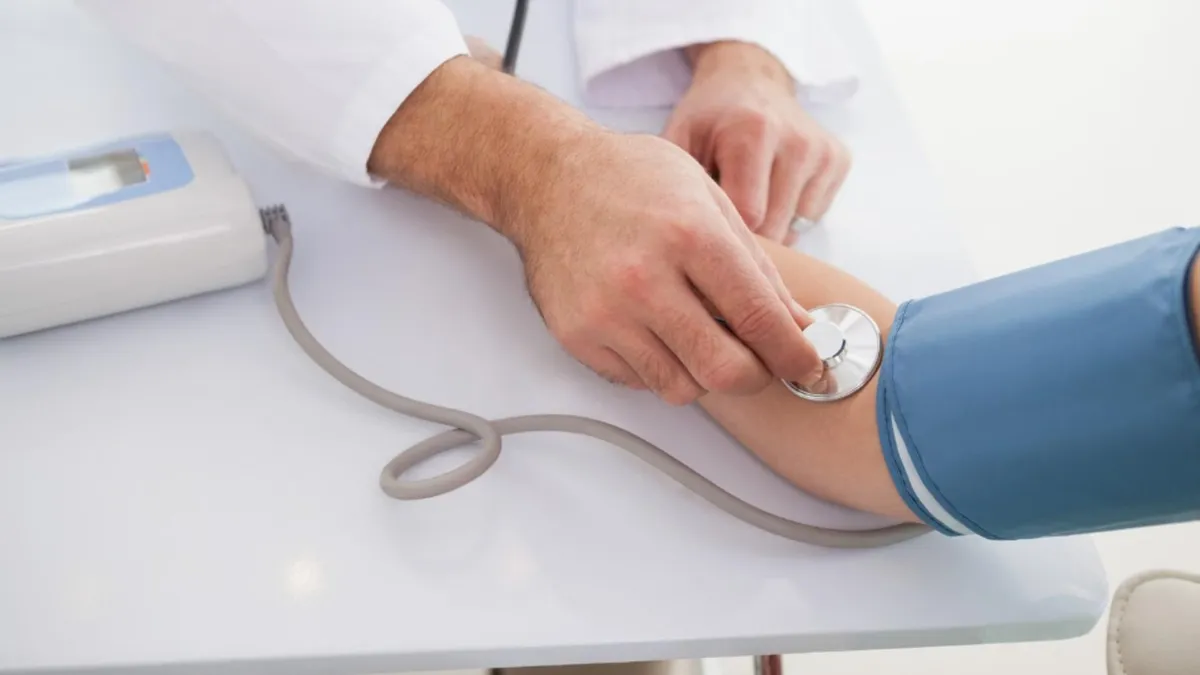
A recent government decision eliminating pay for the first day of sick leave is raising serious concerns among chronic and oncology patients, many of whom are elderly people in precarious financial situations. The measure, intended to curb abuse of the sick leave system, is directly affecting the most vulnerable patient groups.
Seniors suffering from serious chronic illnesses or undergoing oncological treatment represent a distinct patient category requiring continuous care and already monitored by the national healthcare system. For these elderly individuals, losing a day's pay can have dramatic consequences for their quality of life and access to treatment.
Representatives of chronic patients stress that the measure fails to make the necessary distinction between those who abuse the sick leave system and those with genuine medical needs. For a senior undergoing cancer treatment or managing a chronic illness, every lost day of income can mean forgoing essential medicines or postponing important tests.
Financial impact on elderly patients
Many elderly people affected by chronic illness live on small pensions or reduced working incomes. For them, losing a day's pay is not merely an administrative adjustment — it can mean being unable to cover basic expenses such as food, medication, or utility bills. This situation jeopardises the continuity of treatment and may worsen the health of elderly patients.
Patient organisations are calling for a differentiated approach that takes into account the medical and social circumstances of each group. In particular, they are requesting that patients enrolled in national health programmes be exempted from the measure, given that they are already closely monitored by the healthcare system.
The need for a fair social policy
The situation raises important questions about striking the right balance between tackling abuse and protecting the vulnerable. Social policy specialists point out that fraud-control measures should not penalise those who use the system legitimately — especially when it concerns elderly people with serious health conditions.
This issue highlights the need for ongoing dialogue between authorities and patient representative organisations, to ensure that administrative decisions do not negatively affect access to medical care for vulnerable groups. It is essential that public policies take into account the human impact of measures adopted, particularly on seniors already facing multiple challenges related to their health and financial circumstances.
Content paraphrased and adapted by SeniorHelp from verified public sources.
Original source: Realitatea →Previous article
Doctors Refuse On-Call Shifts: Seven-Year-Old Pay Rates for 32-Hour Shifts
Next article
Natural remedy for joint pain in the elderly - results in 7 days
Similar news
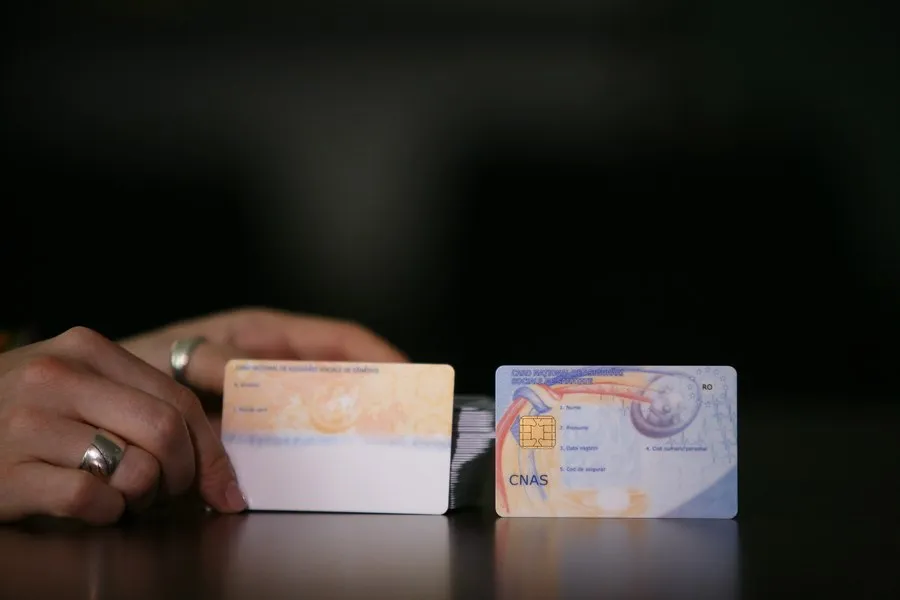
Both the health card and the new Identity Card can be used at the doctor's in October
2 October 2026
 Foto ilustrativă
CNAS: In October, the health card and electronic identity card can be used without a signature
2 October 2026
AUR proposes a public registry of hospital infections, updated monthly
1 October 2026
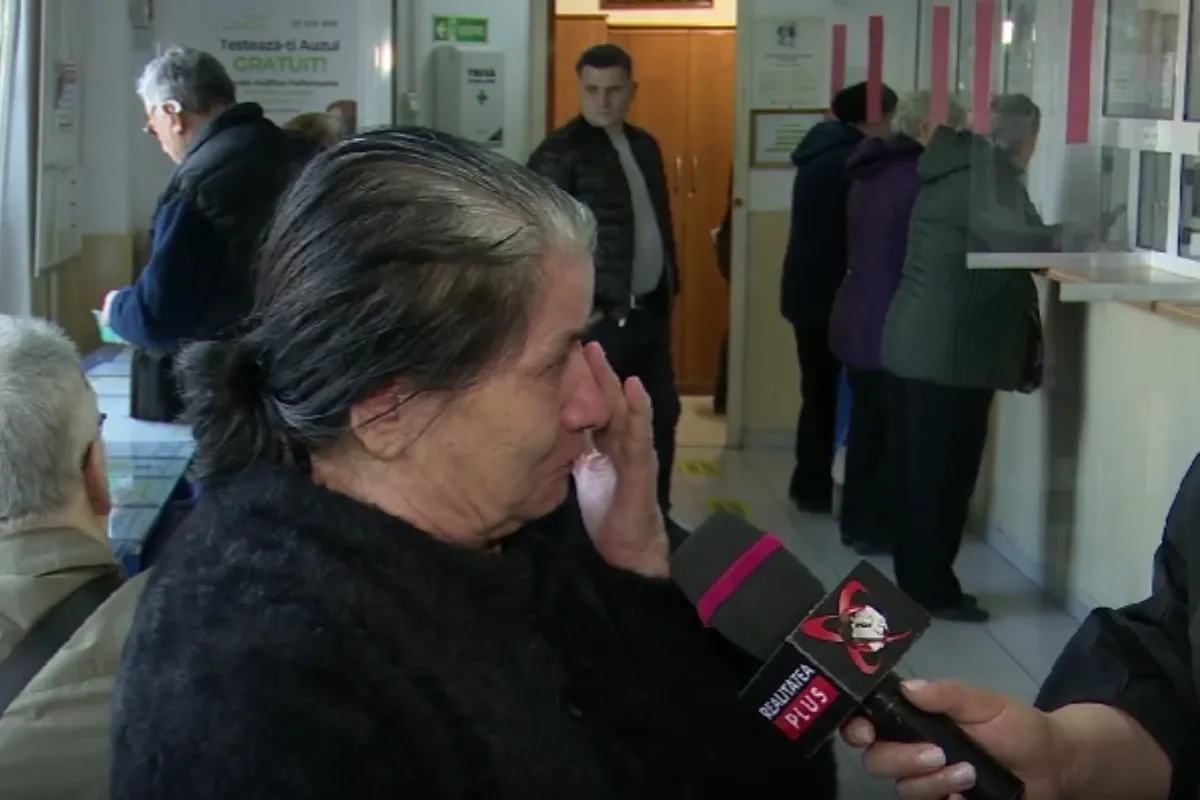
Pensioners' protest: "I don't have enough money even for medicine"
30 September 2026
 Foto ilustrativă
Alexandru Nazare: pensions could be "prudently" indexed from 1 January 2027
29 September 2026

Heating Assistance 2026–2027: income thresholds and application submission period
28 September 2026