
Persistent cold hands may signal serious health problems in the elderly
Specialists warn that permanently cold hands may indicate autoimmune diseases or serious circulatory problems requiring medical attention.
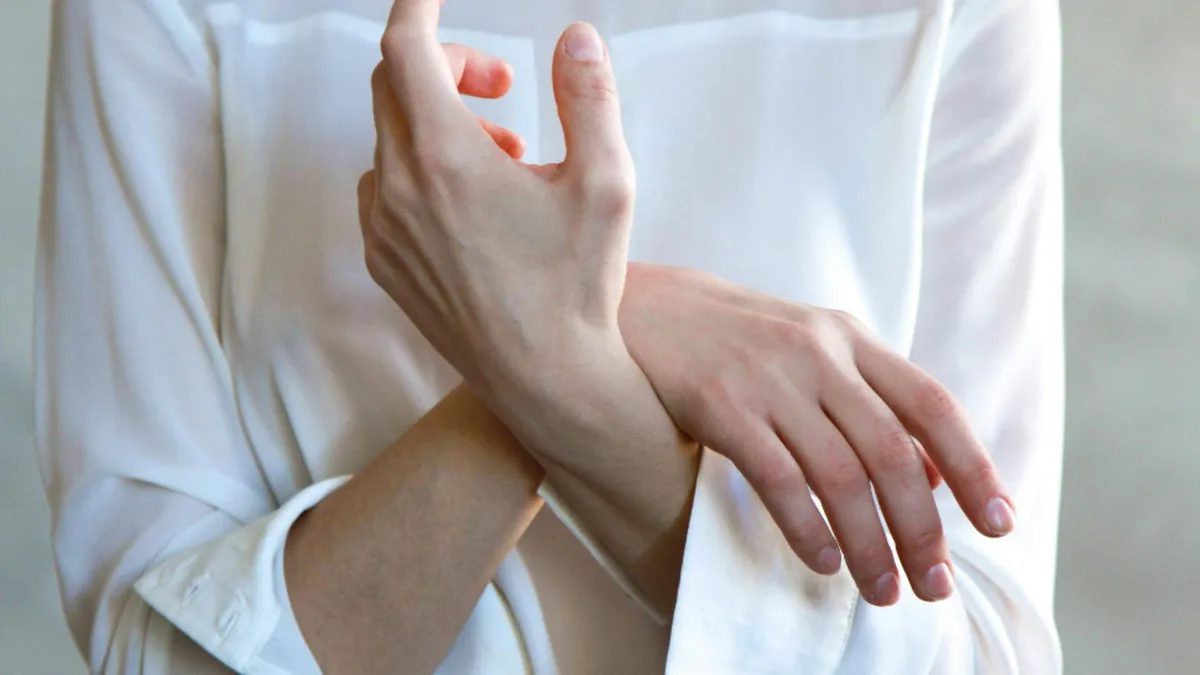
Seniors who persistently experience cold hands should pay particular attention to this symptom, as it may indicate health problems more complex than simple sensitivity to cold. In old age, the circulatory system becomes more vulnerable, and vascular changes can produce symptoms that require careful medical evaluation.
The bodies of older people respond differently to low temperatures, and blood circulation to the extremities can be compromised for a number of reasons. When hands remain cold even in heated environments, this may signal vascular problems affecting normal blood flow. The declining efficiency of the circulatory system with age makes seniors more prone to such manifestations.
Raynaud's phenomenon and its impact on older people
Raynaud's phenomenon is a circulatory disorder that frequently affects older people, manifesting as a drastic reduction in blood flow to the fingers. Seniors who suffer from this condition notice visible changes in the colour of their fingers, which may turn white or blue before taking on a reddish hue once circulation is restored. These episodes are often accompanied by intense pain, a tingling sensation, or even complete numbness.
For affected seniors, these manifestations can occur not only upon exposure to cold, but also in stressful situations or even without any obvious triggers. The duration of episodes can range from a few minutes to several hours, significantly affecting quality of life and the ability to carry out simple daily activities such as using a telephone or handling small objects.
The connection with autoimmune diseases in older people
Rheumatologists emphasise that persistently cold hands can serve as a warning sign for the development or progression of autoimmune diseases such as rheumatoid arthritis or systemic lupus erythematosus. In older people, these conditions can have an insidious onset, and circulatory symptoms may be among the first observable manifestations. Secondary Raynaud's phenomenon, associated with these conditions, requires a specific therapeutic approach and ongoing medical monitoring.
Unlike primary forms of Raynaud's phenomenon, secondary variants associated with autoimmune diseases can also affect other areas of the body, including the ears, nose, lips, and other extremities. For seniors diagnosed with such conditions, treatment may include daily medication or therapeutic regimens tailored to the colder months.
The importance of prompt medical evaluation
Seniors who experience frequent episodes of cold hands should seek specialist medical evaluation, particularly when symptoms persist after warming up or worsen progressively. Early diagnosis can prevent serious complications and significantly improve the prognosis of underlying conditions. A general practitioner or rheumatologist may recommend further investigations to establish the precise cause and put in place an appropriate treatment plan.
Content paraphrased and adapted by SeniorHelp from verified public sources.
Original source: Realitatea →Previous article
Foods That Help Seniors Control High Cholesterol
Next article
Refined Soya Oil – Health Risks for Older Adults and Their Metabolism
Similar news
Peripheral Arteriography: the investigation that reveals blockages in the arteries of the legs and arms
25 September 2026

Socola Study: 6 in 10 Romanians Quickly Forget Essential Details. When Should We Be Concerned
25 September 2026
Palpitations, high blood pressure, chest pain: when you need a cardiologist
24 September 2026
Radiotherapy in the treatment of lung cancer: when and how it is used
24 September 2026
Aerophagia: when bloating and belching come from swallowed air, not from food
23 September 2026
Nearly 300,000 Romanians have dementia, and the number could reach 400,000 by 2050
22 September 2026