
The Ageing of Mountain Villages: A Reality That Directly Affects Senior Generations
Mountain villages are emptying out, elderly residents are left on their own, and age-old ways of life are fading as young people move away.
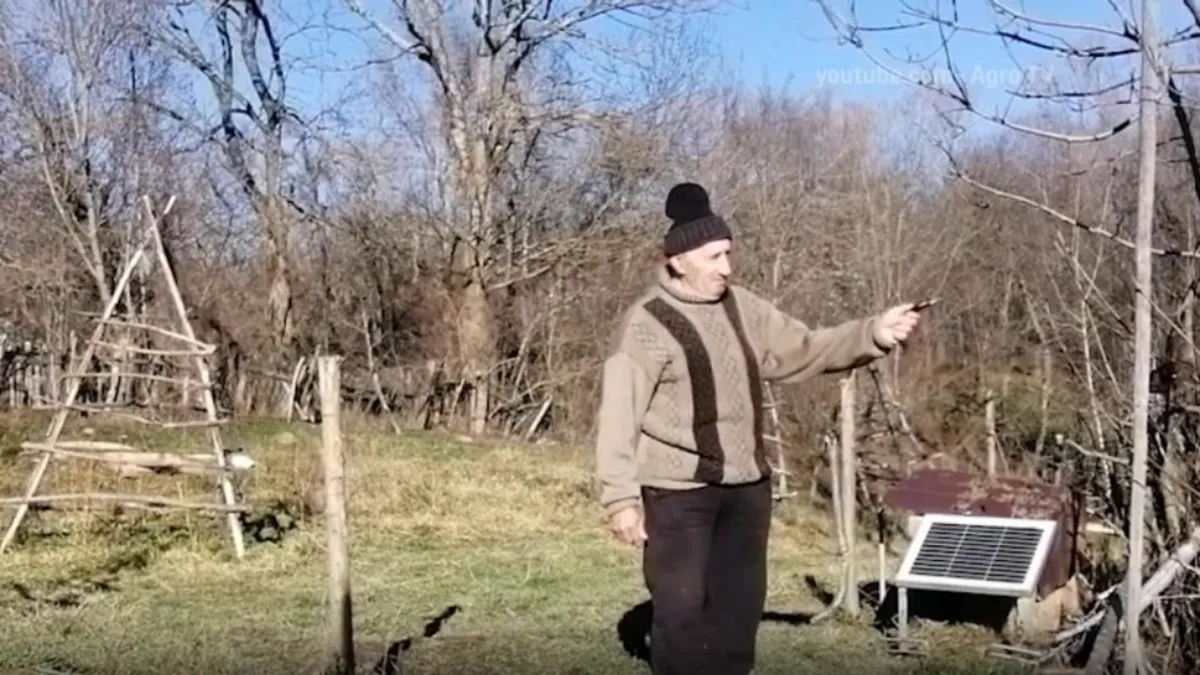
A dramatic transformation is taking place in Romania's rural mountain communities, where generations of seniors are witnessing the disappearance of a way of life they have known and practised throughout their entire lives. Villages are being emptied of young people, leaving the elderly alone to preserve traditions that are slowly dying out.
In the commune of Brăduleț, in Argeș county, the reality is painful. A 73-year-old senior speaks with sadness about the changes in his village: "I still have one cow that's for my own use, and 10 sheep, poultry, a pig — and at this age... 73 years old, what more can I ask for?" His words reflect the resignation of a generation that has worked all its life, yet now faces loneliness and the disappearance of the community it once knew.
Worrying statistics on rural depopulation
The figures confirm this bleak reality. Where the commune of Brăduleț once had nearly 270 head of cattle, today only 30 to 40 remain. Across the commune as a whole, livestock numbers have fallen sharply: roughly 500 cattle, 6,000 sheep, 400 goats and just 200 pigs. The decline is about far more than animals — it is about the disappearance of an entire community.
One local resident explains the root cause: "The village has grown old; the children are gone — they've left." This outward migration of young people leaves behind an ageing population no longer able to sustain traditional, labour-intensive activities. Seniors, though eager to carry on these traditions, no longer have the physical energy that heavy farm work demands.
The economic impact on older generations
Financial hardship compounds the difficulties facing rural seniors. The mayor of Brăduleț explains that traditional products — made with great effort and dedication by older generations — are being displaced in the marketplace by far cheaper, industrially manufactured alternatives. This unfair competition means that the work of the village's elderly residents is no longer properly rewarded.
For seniors who have spent their entire lives in livestock farming, this shift represents not only an economic loss but an identity crisis. Skills and knowledge accumulated over decades suddenly become irrelevant in an economy that prizes speed and low costs over quality and tradition.
Loneliness and isolation in rural communities
There is a bitter irony in watching these mountain villages reinvent themselves as agrotourism destinations for city dwellers. The newcomers build handsome houses, yet they do not carry on the traditions that once gave these communities their vitality. Seniors thus find themselves living in a village that is losing its identity, surrounded by strangers who neither understand nor uphold the values they spent a lifetime nurturing.
This situation illustrates a broader challenge facing rural Romania: the accelerating ageing of the rural population and the growing isolation of its seniors. With no young people to take on the traditions and provide practical support, older generations are forced to abandon the activities that defined their existence, left behind in an ever-deepening solitude.
Content paraphrased and adapted by SeniorHelp from verified public sources.
Original source: Realitatea →Previous article
Diaspora Money, the Pensioners' Lifeline: 60 Billion Euros in 12 Years
Next article
Property Taxes Rise by 90% in Baia Mare - Major Impact on Seniors with Small Pensions
Similar news
Romania, 3rd in the EU for Poverty Risk: 27.4% of the Population Affected
21 September 2026

Little money, long distances: there are Romanians who haven't seen a doctor in over a decade
21 September 2026
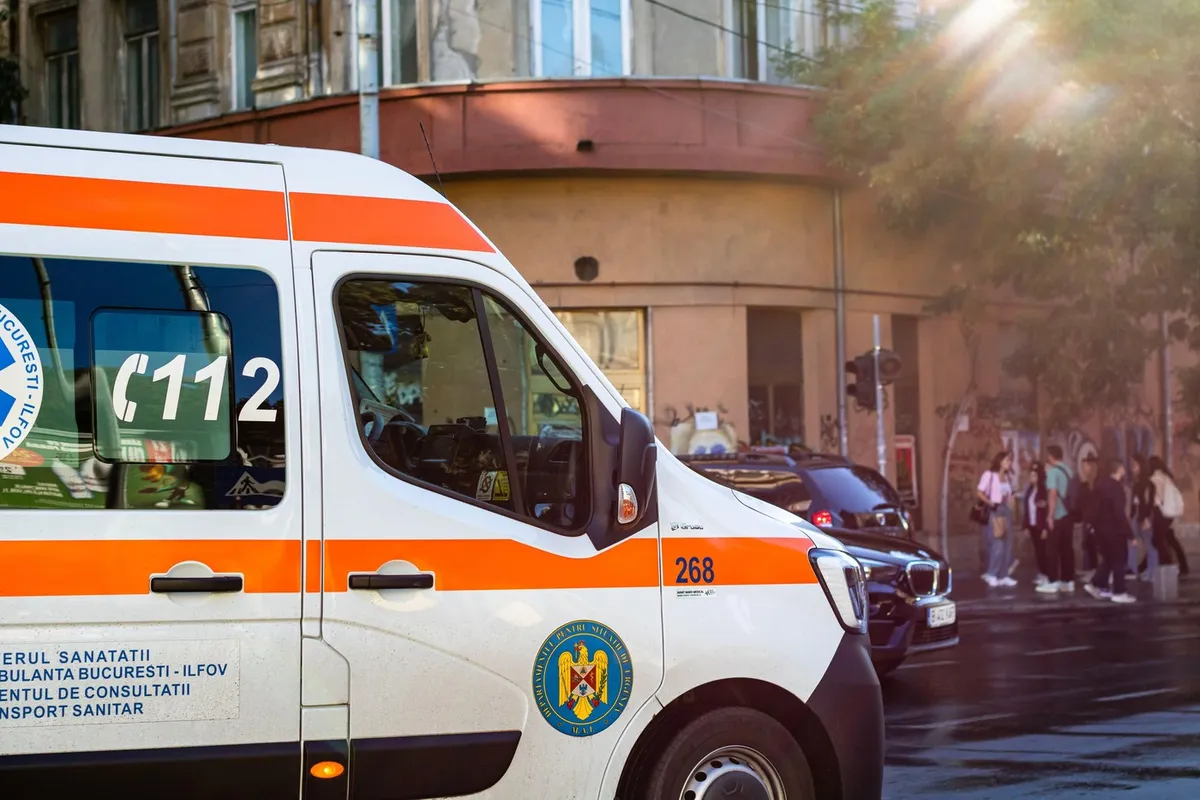
Ambulance Services in 17 Counties Without Funding for September. Union Calls for Budget Rectification
16 September 2026
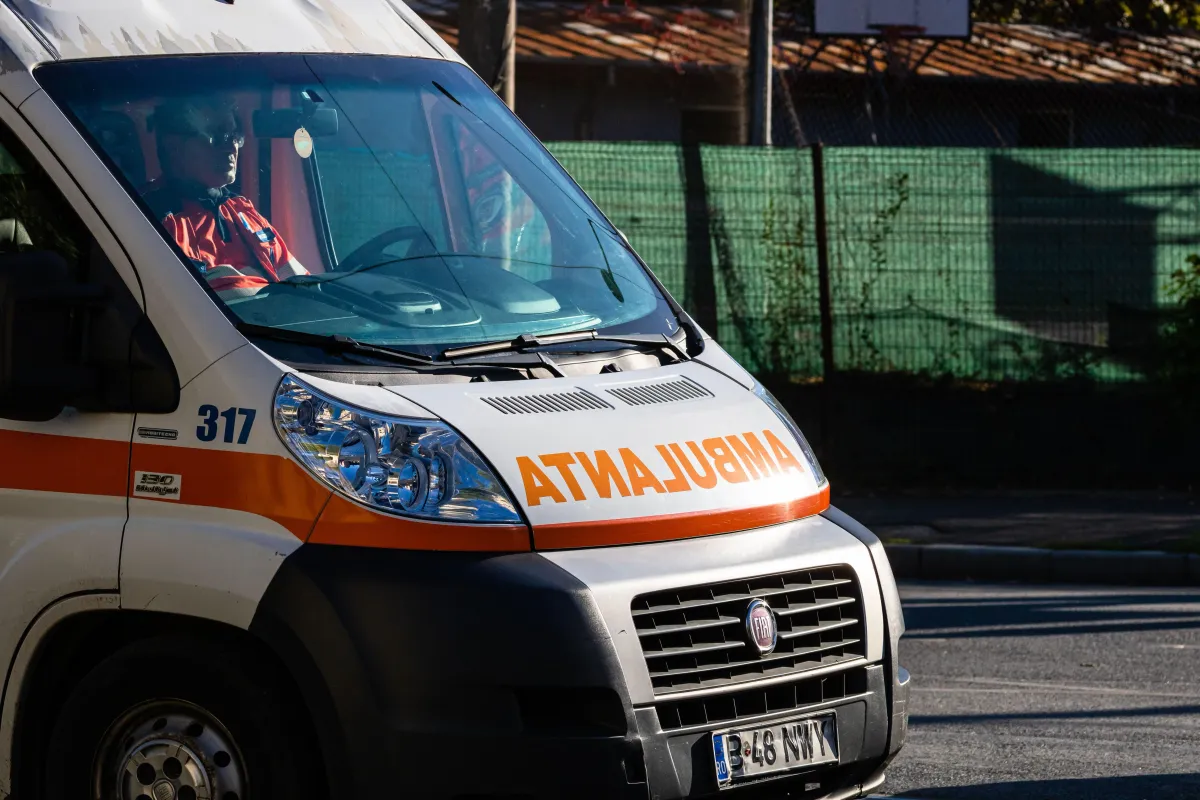
Ambulances in 17 counties left without funds for material expenses in September
16 September 2026

17 Ambulance Services Without Funds to Cover September Expenses
16 September 2026
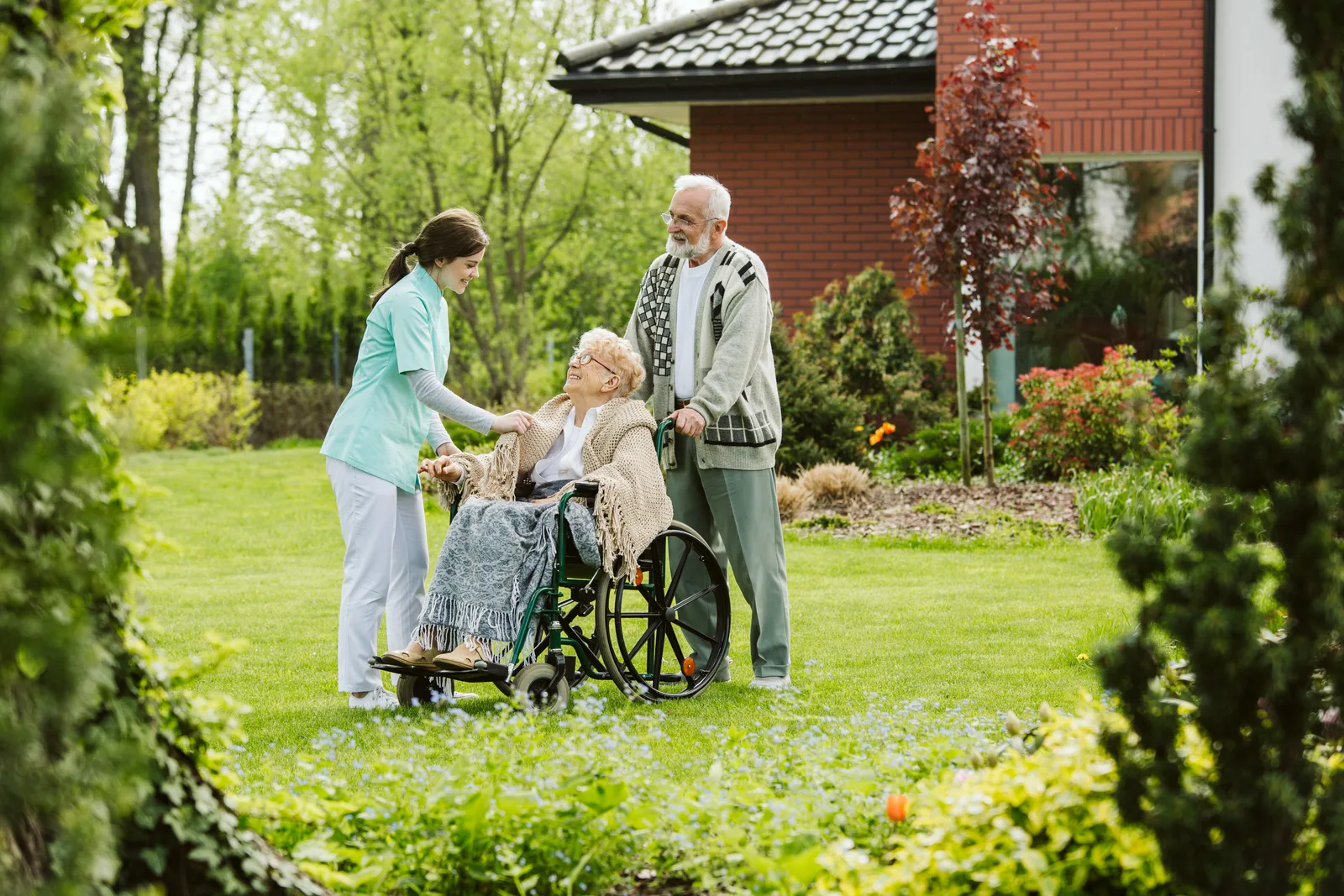 Foto ilustrativă
CNAS Apologises After the eSănătateaMea Platform Displayed the Term "Handicapped"
10 September 2026