
Frailty in Old Age, a Predictor of Serious Health Problems – How It Can Be Prevented
Medical experts warn that frailty in older adults can predict hospitalisation and disability, but can be improved.
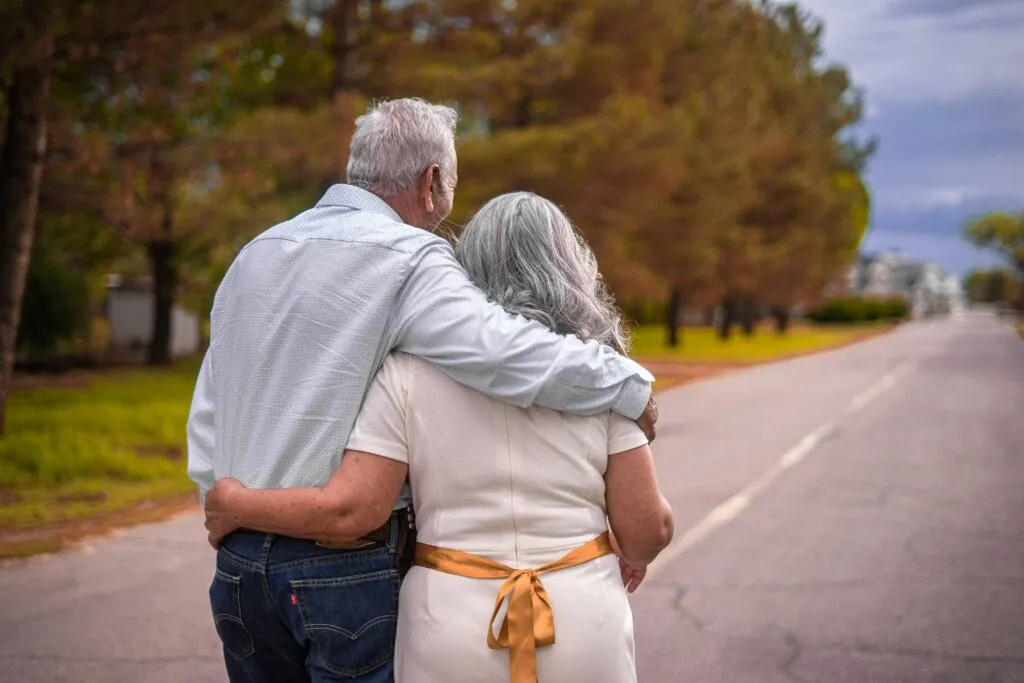
Frailty is one of the most significant indicators of the ageing process and can serve as a predictor for a range of serious health problems. It can signal the need for hospitalisation, the onset of disability, difficulties in recovering from illness or surgery, admission to care institutions, and even the risk of death.
Older adults experiencing frailty have a diminished physiological reserve, meaning their bodies have increasing difficulty coping with illness, trauma, or stressful situations. As a result, seemingly minor issues — such as a respiratory infection, a change in medication, or a few days of bed rest — can rapidly lead to a loss of personal independence.
Individual differences in the ageing process
Specialists emphasise that the ageing process varies considerably from person to person. An 82-year-old may remain active and independent, whilst another person of the same age may struggle even with basic activities such as rising from a chair.
A growing number of doctors believe that frailty, rather than chronological age, is what shapes how people age. For this reason, frailty assessment has become standard practice in many medical settings for people over the age of 65.
Methods of assessing frailty
Doctors use two main approaches to analyse frailty. The first treats it as a physical syndrome characterised by muscle weakness, chronic fatigue, slowed gait, unintentional weight loss, and reduced physical activity. Individuals presenting one or two of these signs are considered to be in a state of "pre-frailty".
The second approach regards frailty as a progressive accumulation of health problems. Chronic conditions, mobility limitations, cognitive difficulties, sensory deficits, poor nutrition, and social isolation all reduce the body's capacity to withstand challenges such as falls, infections, or hospital admissions.
The possibility of improving frailty
Although frailty was long considered an irreversible condition, recent research demonstrates that it can develop in either direction. Frailty is now understood as a continuous spectrum, ranging from mild to moderate or severe, and in certain cases it can be delayed or even reversed.
A large-scale study conducted on more than 42,000 older adults found that over a period of approximately four years, around 14% of participants improved their health status, nearly 30% became more frail, and over half remained stable.
Regular physical activity — particularly resistance exercises such as weight training, resistance bands, or bodyweight exercises performed at least twice a week — can contribute significantly to slowing the progression of frailty. A balanced diet and maintaining active social connections are likewise essential elements in the prevention and management of this condition.
Content paraphrased and adapted by SeniorHelp from verified public sources.
Original source: Mediafax →Previous article
Extreme Heat Wave in May 2026 Endangers the Health of Elderly People in Romania
Next article
Ketogenic diet could protect the brain against Alzheimer's and Parkinson's
Similar news
 Foto ilustrativă
GPs warn: flu vaccination should not be delayed
11 October 2026

GPs recommend flu vaccination before the epidemic spreads
11 October 2026
Depression in the elderly, mistaken for ageing: what signs to look out for
11 October 2026

Dry skin in autumn: causes, affected areas and when to see a dermatologist
11 October 2026

Forgetfulness in Old Age: What's Normal and When to Visit PROMEMORIA for a Check-up
9 October 2026

Over 80,000 Respiratory Infections Recorded in Romania in One Week, INSP Data Shows
9 October 2026