
Two Cases of Leprosy Confirmed in Cluj After 44 Years - Risks and Precautions for Seniors
Authorities confirm the first cases of Hansen's disease since 1981. Seniors need to be aware of the risks and protective measures.
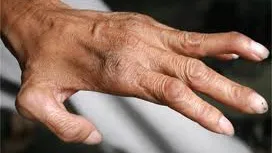
The Cluj Public Health Directorate (Direcția de Sănătate Publică Cluj) has confirmed two cases of leprosy (Hansen's disease) in Cluj-Napoca — the first recorded in Romania since 1981. The patients are two women aged 21 and 25, employed as masseuses at a SPA centre in the city, both of Asian origin.
The two individuals presented at Cluj County Clinical Hospital on 26 November 2025, having developed symptoms characteristic of Hansen's disease. Laboratory tests confirmed the infection, and the patients were admitted to the Cluj-Napoca Clinical Hospital for Infectious Diseases for specialist treatment.
Safety measures put in place
Health authorities have taken firm steps to prevent the spread of infection. The SPA salon where the patients worked has been temporarily closed, all premises have been disinfected with ozone, and staff have been scheduled for mandatory medical check-ups. An epidemiological investigation has also been launched to identify all direct contacts.
Two further suspected cases are currently undergoing clinical and microbiological evaluation, all of whom are employees of the same salon. DSP Cluj is closely monitoring the situation and has stepped up epidemiological surveillance procedures in the area.
Important information for older adults
Although the news may be cause for concern, specialists stress that leprosy is a slow-progressing disease with a low risk of contagion. Transmission requires prolonged, direct contact with infected individuals. The disease does not spread through:
- Handshakes or embraces
- Travel on public transport
- Brief contact
- Use of shared spaces
Older people who visit SPA or wellness centres are advised to enquire about the hygiene measures in place at those establishments. Once specific treatment has begun, the risk of transmission decreases dramatically — effectively disappearing — in line with international protocols.
Authorities are assuring the public that the risk to the general community remains very low, and that the situation is being managed with the utmost responsibility by infectious disease specialists.
Content paraphrased and adapted by SeniorHelp from verified public sources.
Original source: Realitatea →Previous article
Flu Season Begins in Romania: What Seniors Need to Know to Stay Protected
Next article
Electricity Bills Have Rocketed by 60% - Major Impact on Pensioners
Similar news
What a liver operation involves: preparation and recovery
15 October 2026

Cardiac MRI: the investigation that provides detailed images of the heart
15 October 2026

Chronic insomnia linked to higher risk of stroke, dementia and hospitalisation, shows study of 1.3 million people
14 October 2026

He Survived Colon Cancer Three Times. He Hid the First Sign for Years
13 October 2026

DXA Osteodensitometry: how bone density and fracture risk are assessed
13 October 2026
Chronic inflammation can damage the heart before symptoms appear, shows a study of 488,000 people
13 October 2026