
The biblical diet: the food trend that could benefit seniors too through natural foods
The new Bible-inspired diet promotes whole, natural foods whilst avoiding processed products, with potential health benefits for older adults.
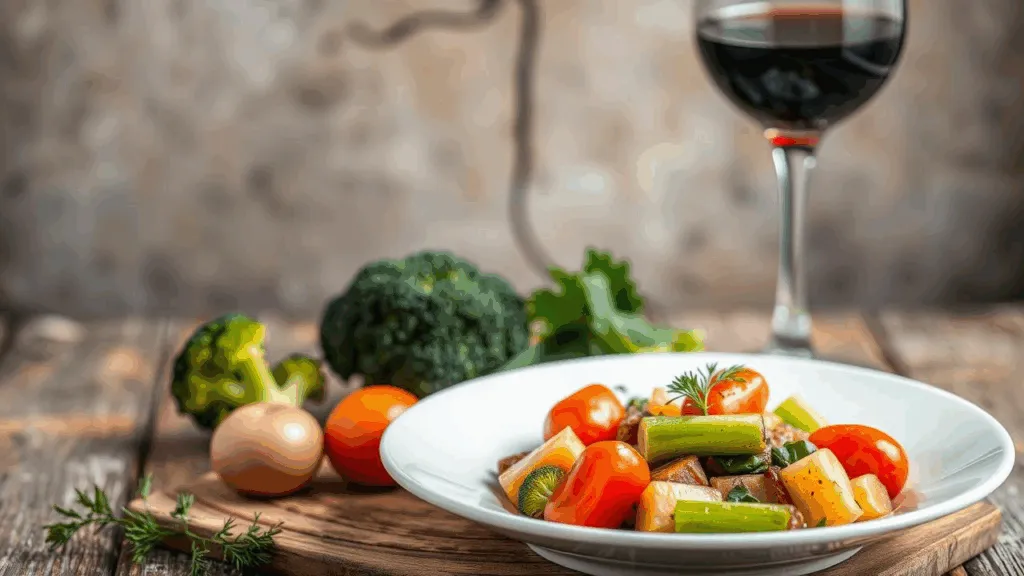
A new dietary trend is gaining popularity on social media — the biblical diet, based exclusively on foods mentioned in the Holy Scriptures. Unlike other dietary regimes, this diet does not focus on weight loss, but on adopting a more natural and healthy way of eating.
The principles of the biblical diet
This dietary approach promotes the consumption of whole, natural foods such as raw milk, fish (particularly sardines), sourdough bread and vegetables. At the same time, the diet severely limits ultra-processed foods and fast food products, which can bring significant health benefits for older people.
Unlike other restrictive diets, biblical eating does not impose a strict calorie count and does not eliminate entire food groups. Followers of this approach report improvements in the appearance of their skin and hair, as well as positive effects on their mood.
The staple foods of the biblical diet
The main food categories include the seven elements considered sacred: wheat, barley, grapes and raisins, figs, pomegranates, olives and their oil, and dates. Also recommended are legumes (lentils, beans), vegetables (cucumbers, garlic, leeks, onions) and animal proteins such as lamb, mutton and fish.
Potential benefits for seniors
For older people, this diet may offer particular advantages through its emphasis on nutrient-rich foods free from chemical additives. Consuming fish, nuts (almonds, pistachios) and fermented foods such as sourdough bread can support cardiovascular and digestive health — important considerations for seniors who wish to maintain their vitality and prevent chronic conditions.
Although the principles of this diet are not new — having been popularised as far back as 2004 through Jordan Rubin's book The Maker's Diet — their return to public attention comes at a time when increasing numbers of people are seeking natural alternatives for improving their health and quality of life.
Content paraphrased and adapted by SeniorHelp from verified public sources.
Original source: Mediafax →Previous article
Case of a 57-year-old woman with chest pain: cardiac diagnosis and treatment
Next article
New rules for sick leave: The first day will be paid for chronic patients and emergency cases
Similar news

Microplastics in tap water can be reduced through boiling and filtering, a study shows
16 October 2026

Over 350,000 doses of flu vaccine to arrive in pharmacies next week
16 October 2026

First influenza-related death of this season confirmed by INSP: unvaccinated man from Cluj
16 October 2026

Partial Nephrectomy: The Operation That Treats Kidney Tumours and Preserves the Kidney
16 October 2026
Time spent in nature could improve one's relationship with food, a British study suggests
16 October 2026

What a liver operation involves: preparation and recovery
15 October 2026