
New rules for sick leave: The first day will be paid for chronic patients and emergency cases
Law 64/2026 amends the rules governing sick leave payments, exempting chronic patients and emergency cases from the unpaid first-day rule.
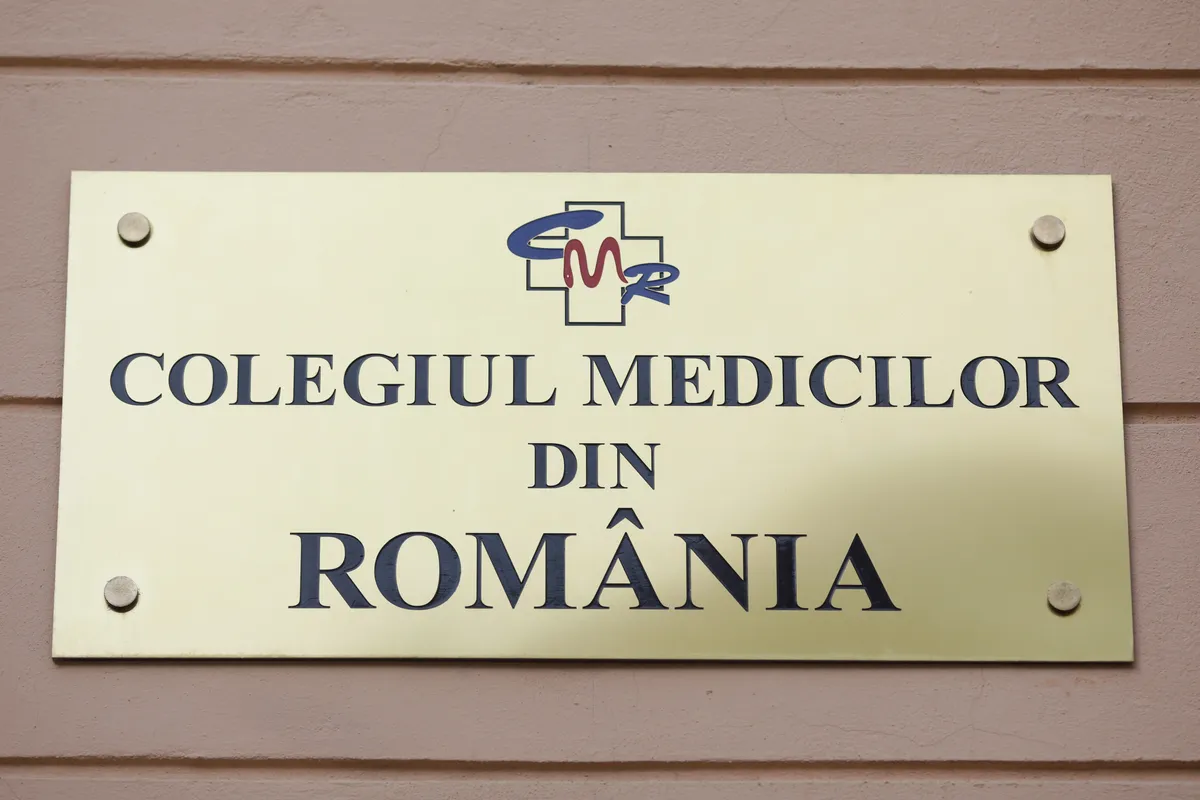
 Foto ilustrativă
New legislation significantly changes the rules for granting and paying sick leave for all employees in Romania. Law 64/2026, published in the Official Gazette and applicable from 1 June 2026, introduces important clarifications regarding the categories of patients who will receive full payment of sick leave.
Categories exempt from the unpaid first day
The new regulation establishes that the first day of sick leave will be paid in full for certain vulnerable categories of patients. These include chronic patients, those enrolled in national health programmes, patients receiving day hospitalisation, and cases involving medical or surgical emergencies.
Also exempt from this measure are maternity sick leave, sick leave for the care of patients with oncological conditions, and maternal risk allowances granted to pregnant women working in at-risk conditions.
Payment mechanism and responsibilities
For all other categories of employees, the system operates as follows: employers cover days 2–6 of sick leave allowance payments, whilst the National Unique Fund for Social Health Insurance (FNUASS) takes on costs from day 7 onwards until recovery. For sick leave funded entirely from the FNUASS budget, the first day is not paid at all.
Monitoring and verification measures
The law introduces a complex three-tier system for monitoring sick leave. The Health Insurance Houses will carry out checks on the legality and validity of sick leave granted, examining medical documents and verifying compliance with legal requirements regarding their duration.
A second level of verification is conducted through occupational capacity assessment offices, which may be notified where fraud is suspected. The third tier involves the Disciplinary Commission of the Romanian College of Physicians, which may impose sanctions on doctors who issue certificates without complying with the relevant legal provisions.
Impact on patients
These legislative changes aim to combat fraudulent practices in the area of sick leave, whilst at the same time protecting vulnerable categories of patients. For older people with chronic illnesses or those requiring ongoing medical care, the new provisions ensure that their entitlements to full allowances are maintained.
The measures are temporary, applying between 1 February 2026 and 31 December 2027, during which time the authorities will monitor the effects of these changes on the healthcare system and on sick leave fraud.
Content paraphrased and adapted by SeniorHelp from verified public sources.
Original source: StartupCafe →Previous article
The biblical diet: the food trend that could benefit seniors too through natural foods
Next article
Serious Risks of Expired Medications: Toxicologists' Warning for Seniors
Similar news

New law: savings and investment accounts for retirement, based on the American 401(k) model
16 October 2026

Pensions indexed from 2027 and capped salaries: what the Niculescu Government's programme provides for
15 October 2026

Niculescu Government promises extended energy bill support and gradual gas liberalisation
15 October 2026

AUR proposes retirement at 60 for people diagnosed with cancer
15 October 2026
College of Physicians calls for government reforms: on-call duties paid at 2017 salary levels
14 October 2026
 Foto ilustrativă
Patients with chronic illnesses warn they risk running out of treatments. Appeal to authorities
14 October 2026