
Medical Discovery: The Organ That Influences Longevity After the Age of 65
Recent research reveals that the thymus, long considered redundant in adults, plays a crucial role in the health and longevity of older people.
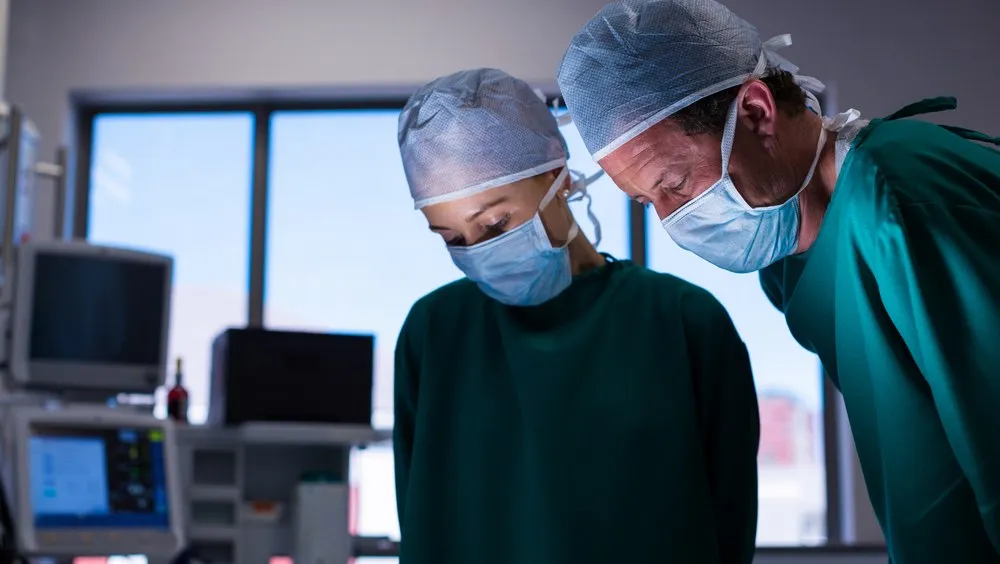
A remarkable medical discovery is completely transforming the scientific understanding of healthy ageing. The thymus, a small gland located behind the breastbone, which researchers believed lost almost all its functionality with advancing age, is proving to be a key factor in determining longevity and quality of life in older adults.
For decades, the medical community held that the thymus concludes its primary role around the age of 20, when the process of involution (shrinkage and deterioration) becomes apparent. This view led to the gland's importance for elderly health being largely overlooked. Recent studies, however, suggest that this lymphoid organ continues to perform vital functions even in people aged over 65.
The thymus plays a fundamental role in maintaining the immune system through the production of mature T-cells, which are essential for defending the body against infections and disease. In older adults, a functional thymus can make the difference between a healthy old age and one marked by chronic illness and frequent medical complications.
Research shows that seniors with a more active thymus display lower rates of respiratory infections, faster recovery from illness, and greater resistance to oxidative stress. These findings are particularly relevant in the context of care provided in specialist residential homes, where a weakened immune system is a constant concern.
For families caring for elderly relatives, this information brings fresh hope and new therapeutic perspectives. Studies point to the possibility of developing treatments that support thymic function in older adults, potentially extending not only lifespan but also quality of life — by preserving independence and reducing the need for intensive care.
The practical implications of these discoveries are far-reaching for the geriatric care sector. Care homes and residential centres could begin monitoring immune function by assessing thymic activity, thereby personalising care programmes to meet the specific needs of each resident.
Geriatric specialists anticipate that this new knowledge will revolutionise the approach to healthy ageing. In the near future, assessment of thymic function could become a standard indicator for medical prognosis in older adults, much as cardiac or renal function is routinely monitored today.
Content paraphrased and adapted by SeniorHelp from verified public sources.
Original source: Adevărul →Previous article
Meningitis Outbreak in Europe: What Risk Does It Pose for Seniors in Romania
Next article
Advances in Early Detection of Brain Cancer Through Blood Tests
Similar news

Microplastics in tap water can be reduced through boiling and filtering, a study shows
16 October 2026

Over 350,000 doses of flu vaccine to arrive in pharmacies next week
16 October 2026
First influenza-related death of this season confirmed by INSP: unvaccinated man from Cluj
16 October 2026
Partial Nephrectomy: The Operation That Treats Kidney Tumours and Preserves the Kidney
16 October 2026

Time spent in nature could improve one's relationship with food, a British study suggests
16 October 2026
What a liver operation involves: preparation and recovery
15 October 2026