
Advances in Early Detection of Brain Cancer Through Blood Tests
Researchers are developing a revolutionary blood test for the detection of glioblastoma, offering hope to elderly patients.
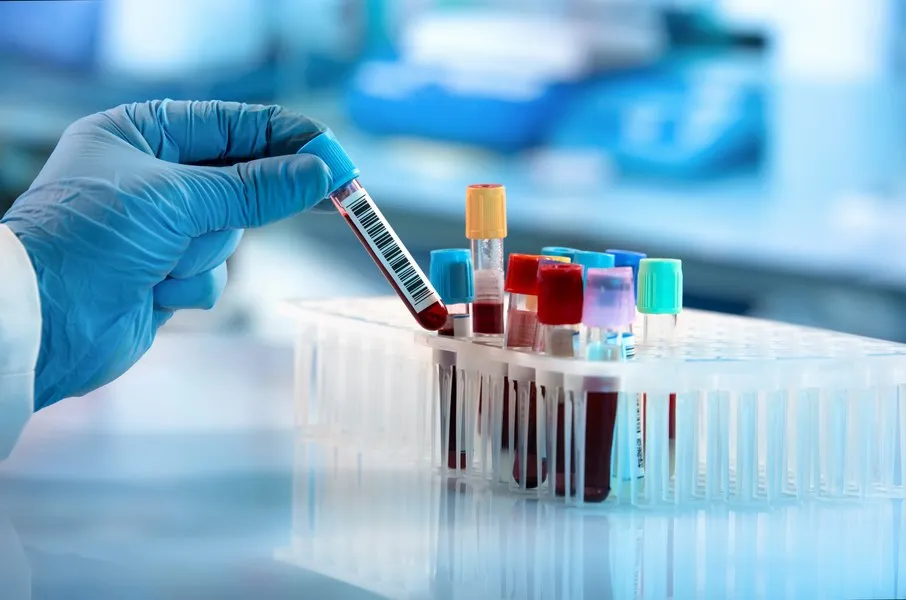
A revolutionary medical discovery offers hope for the early diagnosis of one of the most devastating forms of brain cancer. Researchers have developed an innovative blood test capable of detecting glioblastoma, an extremely aggressive form of brain cancer that particularly affects older people.
Glioblastoma represents a major challenge in oncology, notorious for its grim prognosis and the difficulty of diagnosing it in the early stages. This form of brain cancer predominantly affects elderly patients, and late diagnosis significantly reduces the chances of effective treatment and survival.
The blood test developed by the research team marks a paradigm shift in the approach to brain cancer diagnosis. Through this non-invasive method, doctors could identify the disease before symptoms become apparent, giving elderly patients a far better chance at treatment and an improved quality of life.
For families caring for older relatives, this medical innovation represents a ray of hope. Early detection of glioblastoma through simple blood tests could radically transform the experience of elderly patients and their loved ones in the fight against this complex disease.
The test can not only detect the presence of a brain tumour, but also has the capacity to monitor the progression of the disease over time. This aspect is crucial for adjusting treatment strategies and evaluating the effectiveness of applied therapies, enabling a personalised approach to medical care for each elderly patient.
The introduction of this test into routine medical practice could revolutionise screening for brain cancer, particularly for those in high-risk groups. The simplicity of a blood test makes this method accessible even to older adults with limited mobility or those in institutional care.
This scientific discovery underlines the importance of continued investment in medical research focused on the needs of the ageing population. As life expectancy rises and society grows older, innovations such as this become essential to maintaining a dignified and high-quality life for our seniors.
Content paraphrased and adapted by SeniorHelp from verified public sources.
Original source: Adevărul →Previous article
Medical Discovery: The Organ That Influences Longevity After the Age of 65
Next article
Free dental services in hospitals: a new opportunity for seniors
Similar news

Why We Feel More Tired in Autumn: What the Specialists Say
7 October 2026

Thyroid Nodules: What an Ultrasound Reveals and When Further Tests Are Needed
6 October 2026

Winter Time and the Body: What Studies Show About Sleep, Energy and Health
5 October 2026

Recurring heartburn can be a sign of gastro-oesophageal reflux disease
5 October 2026

How to Choose the Right Pillow for Sleep. Signs That It Needs Replacing
3 October 2026

Japanese Monk Begins 12 Years of Total Isolation: What Science Says About the Effects of Loneliness
3 October 2026