
Crisis demographic din București afectează viitorul pensiilor și îngrijirii seniorilor Bucharest's Demographic Crisis Threatens the Future of Pensions and Senior Care
Low birth rates in the capital are accelerating population ageing and placing growing pressure on the pension system and elderly care.
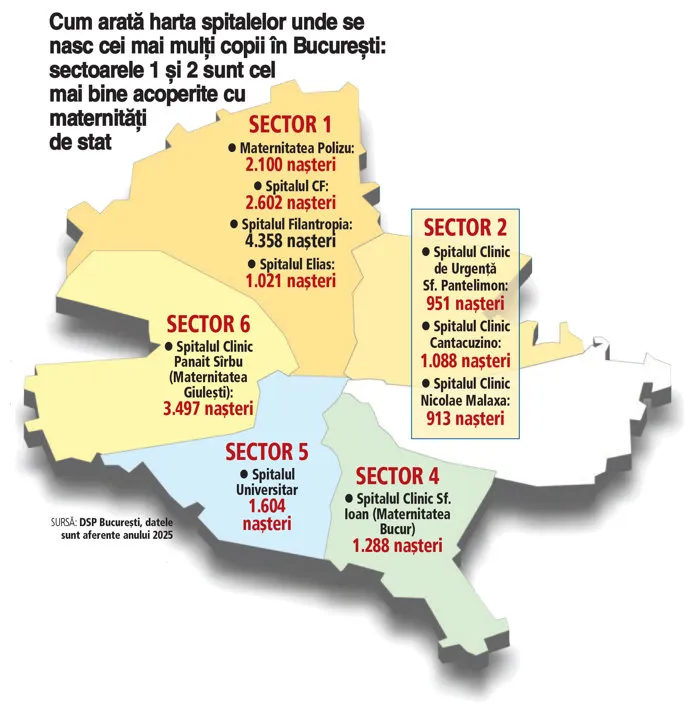
Bucharest's alarming demographics — with just 8 births per thousand residents annually — signal a profound demographic crisis that will have devastating consequences for the future of senior care. With approximately 17,000 births per year among a population of over 2 million, the capital is facing a birth rate insufficient to replace generations, accelerating the process of demographic ageing.
The paradox of Bucharest lies in the fact that, although the city generates a quarter of the national GDP (approximately 500 billion RON annually) and offers higher incomes than the rest of the country, the quality of life does not reflect these economic achievements. Excessive pollution, inadequate infrastructure, a shortage of nurseries and new schools, and a lack of trust in state institutions are all discouraging young families from having children in the capital.
This negative demographic trend will intensify pressure on the pension system over the coming decades. With a continuously ageing population and ever fewer active contributors, the sustainability of the social protection system for seniors is becoming a major challenge. The ratio between the number of pensioners and that of contributors will deteriorate significantly.
The impact on care services for older adults will be devastating. A shrinking population means fewer human resources available for the care sector, at a time when the number of seniors requiring assistance will grow exponentially. Care homes and home care services will face an acute shortage of qualified staff.
Demography specialists are warning that this trajectory will force society to fundamentally rethink its approach to elder care. Massive investment in assistive technologies, care robotics, and automated systems will be required to offset the labour deficit in the social and medical sector.
Solutions to this demographic crisis include improving urban quality of life, developing family support infrastructure, creating green spaces, reducing pollution, and building a high-performing education and healthcare system. Without urgent action, Bucharest and Romania are heading towards a future in which caring for seniors will become a challenge impossible to manage with current resources.
Content paraphrased and adapted by SeniorHelp from verified public sources.
Original source: Ziarul Financiar →Previous article
Ticks and the Risk of Lyme Disease in Older Adults: How to Protect Yourself and Act Correctly
Next article
Sector 3 allocates significant funds for social assistance in 2026
Similar news

Elderly people tricked with "free medical assessments" into taking out loans for expensive devices
6 October 2026
Patient aged 69, oxygen-dependent, died after a fall at the Cluj Pneumophthisiology Hospital
28 September 2026
Romania, 3rd in the EU for Poverty Risk: 27.4% of the Population Affected
21 September 2026

Little money, long distances: there are Romanians who haven't seen a doctor in over a decade
21 September 2026

Ambulance Services in 17 Counties Without Funding for September. Union Calls for Budget Rectification
16 September 2026

Ambulances in 17 counties left without funds for material expenses in September
16 September 2026