
Red heat alert: the Ministry of Health activates emergency plans to protect the elderly
Ambulance services are being reinforced in the context of extreme temperatures. The elderly are among those most vulnerable to the medical risks caused by heatwaves.
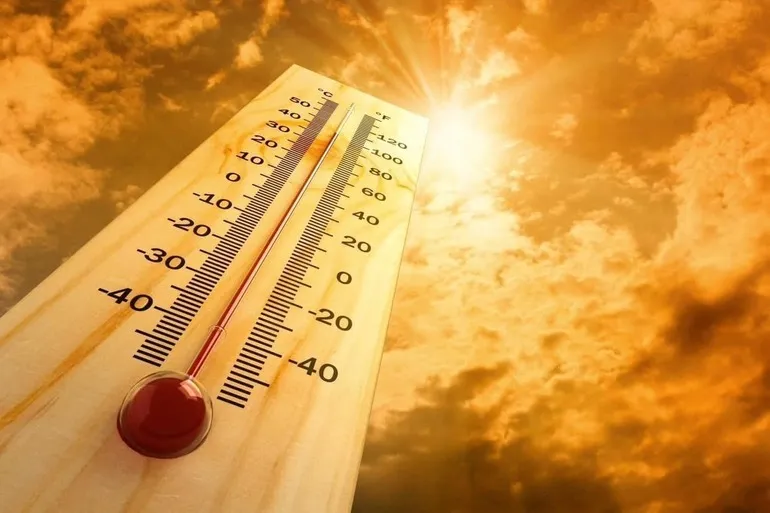
National medical alert amid extreme heatwave
Romania's Ministry of Health has announced the activation of intervention plans for heat-related medical risks, following the introduction of red heat warnings across several regions of the country. The measures are aimed particularly at vulnerable groups, with elderly people at the forefront, as they are the most exposed to health complications associated with extreme heat.
Ambulance services on maximum alert
One of the key measures announced involves placing ambulance crews on alert and increasing their numbers in areas where call volumes are rising. Authorities are monitoring emergency call flows in real time in order to redistribute resources to areas where pressure on the healthcare system is greatest.
Why older adults are most vulnerable to extreme heat
Elderly people have a reduced capacity for thermoregulation, meaning their bodies adapt more slowly to sudden changes in temperature. Chronic conditions common at this age — cardiovascular disease, diabetes, renal insufficiency, and high blood pressure — can be significantly worsened by exposure to extreme heat. Additionally, some medications commonly taken by older adults can interfere with the body's ability to cope with heat.
Warning signs to watch out for
- Dizziness, confusion, or sudden disorientation
- Nausea, vomiting, or severe headaches
- Red, hot, and dry skin (without sweating)
- Rapid, weak pulse
- Loss of consciousness or fainting
Any of these symptoms in an elderly person must be treated as a medical emergency, requiring an immediate call to the emergency number 112.
Recommendations for carers and families of older adults
Specialists recommend that elderly people avoid going outdoors between 11:00 and 18:00, drink sufficient fluids even when not feeling thirsty, and remain in cool or air-conditioned spaces. Those living alone should be checked on frequently by family members, neighbours, or carers, as dehydration and heatstroke can rapidly develop into critical situations.
Additional responsibilities for care homes and care services
Residential units for older adults and home care services are obliged to ensure that those in their care have adequate conditions during periods of extreme heat: proper hydration, controlled ambient temperature, and close monitoring of their health. The heatwave period represents a genuine test of the quality of care provided to dependent elderly people.
Content paraphrased and adapted by SeniorHelp from verified public sources.
Original source: Profit.ro →Previous article
Extreme Heat in Romania: Essential Recommendations for Protecting the Elderly
Next article
Heatwave in Romania: The Ministry of Health activates emergency measures to protect vulnerable populations
Similar news
What a liver operation involves: preparation and recovery
15 October 2026
Chronic insomnia linked to higher risk of stroke, dementia and hospitalisation, shows study of 1.3 million people
14 October 2026
He Survived Colon Cancer Three Times. He Hid the First Sign for Years
13 October 2026
DXA Osteodensitometry: how bone density and fracture risk are assessed
13 October 2026
Chronic inflammation can damage the heart before symptoms appear, shows a study of 488,000 people
13 October 2026
Hepatitis A in Constanța: 23 outbreaks, 130 cases, under DSP monitoring
12 October 2026