
China Launches First Commercial Brain Chip for Treating Paralysis and Stroke
The new NEO medical device can help patients with spinal cord injuries, Parkinson's disease, and strokes.
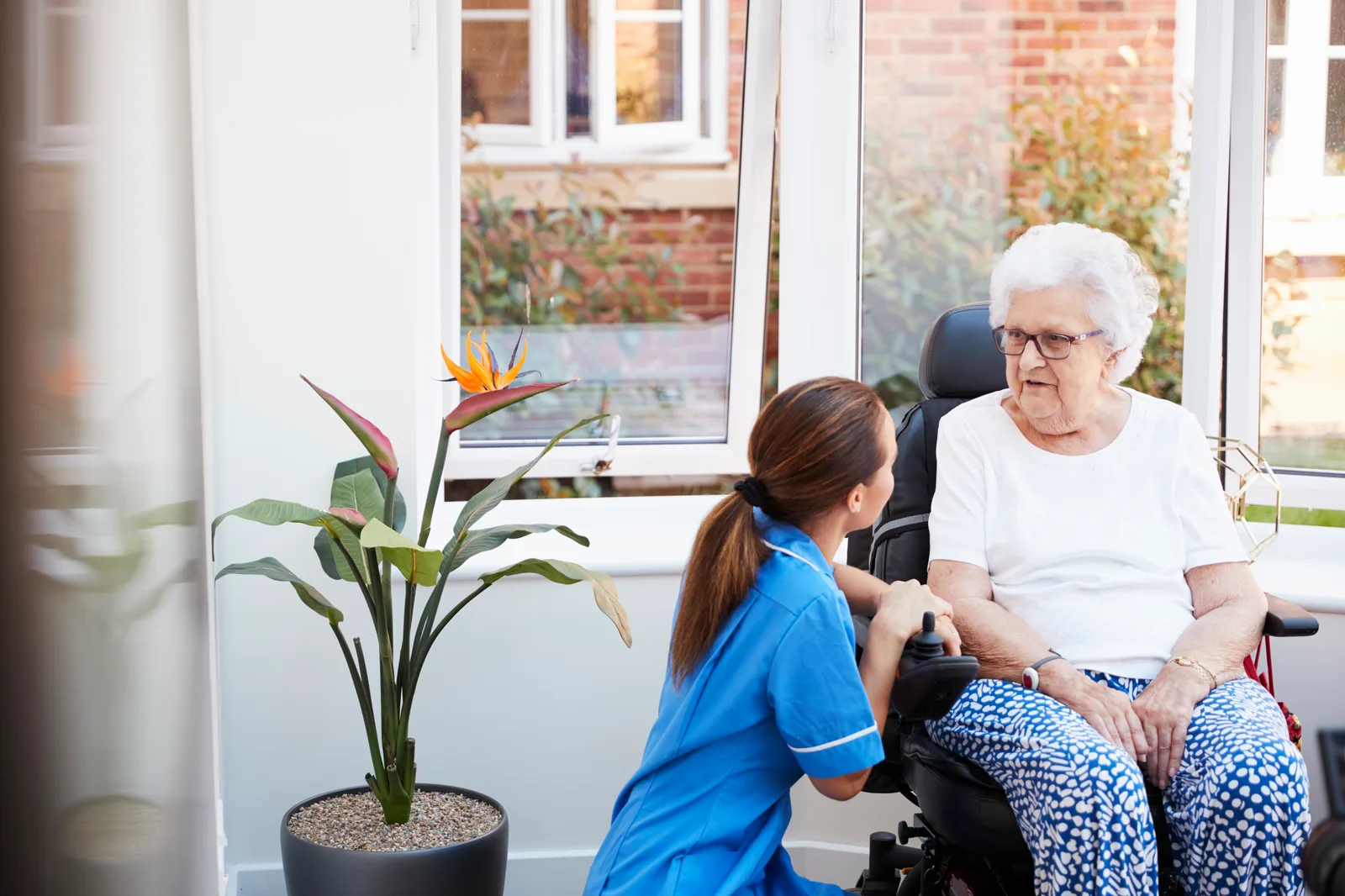 Foto ilustrativă
China has become the first country in the world to approve the commercialisation of a brain chip for medical applications. The NEO device, initially available to Chinese hospitals, represents a global first in the field of medical neurotechnology.
Applications for neurological conditions common in older adults
The brain chip is intended primarily for treating paralysis and spinal cord injuries, though development plans also encompass other conditions frequently seen in elderly patients. The technology is set to be expanded to cover the treatment of depression, epilepsy, stroke, and Parkinson's disease — all conditions that disproportionately affect the senior population.
This innovation offers hope to patients with severe neurological conditions who, until now, had limited therapeutic options. The chip works by enhancing and restoring connections within the nervous system, potentially revolutionising the way these debilitating conditions are treated.
Advantages over similar technologies
Unlike comparable projects in the USA and Europe, which remain in the experimental phase, the Chinese NEO chip has completed all approval stages and is available for clinical use. This places it ahead of well-known companies such as Neuralink in terms of practical implementation.
Implications for elderly care
For the elderly care sector, this technology could radically transform the approach to treating neurological conditions. Patients with stroke, Parkinson's disease, or other forms of dementia could benefit from a significant improvement in quality of life through this advanced technology.
Challenges and ethical considerations
The development does, however, raise important questions regarding the privacy of neurological data. Specialists warn that access to brain activity presents serious security and privacy concerns, including the risk of sensitive personal information being compromised by cyber attackers.
This development marks the beginning of a new era in medical neurotechnology, with major potential to impact the treatment of neurological conditions that particularly affect the elderly population.
Content paraphrased and adapted by SeniorHelp from verified public sources.
Original source: Mediafax →Previous article
Banking experts warn pensioners not to make hasty decisions regarding ROBOR
Next article
Four Controllable Risk Factors Can Prevent Heart Attack and Stroke in Seniors
Similar news
First influenza-related death of this season confirmed by INSP: unvaccinated man from Cluj
16 October 2026

Partial Nephrectomy: The Operation That Treats Kidney Tumours and Preserves the Kidney
16 October 2026

Time spent in nature could improve one's relationship with food, a British study suggests
16 October 2026
What a liver operation involves: preparation and recovery
15 October 2026

Cardiac MRI: the investigation that provides detailed images of the heart
15 October 2026
Chronic insomnia linked to higher risk of stroke, dementia and hospitalisation, shows study of 1.3 million people
14 October 2026