
Dangerous bacteria in water endangers elderly patients - emergency measures in hospitals
The discovery of the <em>Pseudomonas aeruginosa</em> bacterium in hospital water systems raises major concerns for the safety of vulnerable patients.
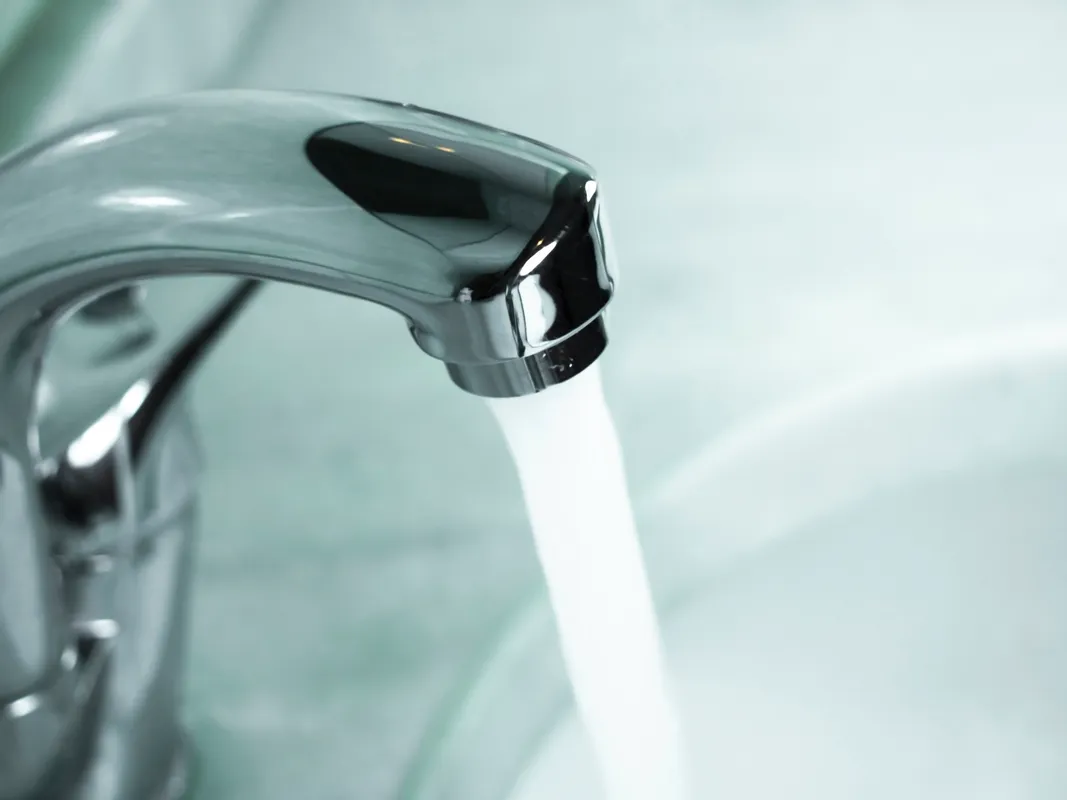
The discovery of the Pseudomonas aeruginosa bacterium in water supply systems at healthcare facilities poses a serious public health threat, particularly for vulnerable patient groups, including elderly people. This bacterium, known for its antibiotic resistance and capacity to cause severe infections, can have devastating consequences for individuals with compromised immune systems.
Elderly patients face a heightened risk from this bacterium, as their immune systems are often weakened by age and other medical conditions. Pseudomonas aeruginosa can cause serious lung infections, septicaemia, urinary tract infections and wound infections — all of which can prove fatal in older people.
Emergency measures adopted in such situations include the immediate suspension of water consumption from the contaminated network and the implementation of alternative drinking water sources. Hospitals are compelled to limit non-urgent admissions in order to protect existing patients and prevent newly admitted patients from being exposed to risk.
For families with loved ones admitted to medical facilities affected by such problems, it is essential to understand the gravity of the situation. Bacteria of the Pseudomonas genus are well known for their ability to form biofilms within pipe systems, making disinfection extremely difficult and requiring complex technical intervention.
Elderly people admitted to hospitals or residing in care homes must be closely monitored for any signs of infection. Symptoms may include fever, breathing difficulties, persistent cough, skin infections or changes in general health. Early detection and prompt treatment are crucial in preventing serious complications.
This situation underlines the importance of regular quality checks in all healthcare and social care facilities serving the elderly population. Care homes, long-term care centres and home healthcare services must implement strict water quality monitoring protocols and maintain high standards of hygiene to protect this vulnerable population.
Content paraphrased and adapted by SeniorHelp from verified public sources.
Original source: Digi24 →Previous article
COVID-19 continues to threaten seniors: why elderly people end up in intensive care in 2026
Next article
Preventing and Managing Accidents in Seniors During the Easter Holiday Period
Similar news
 Foto ilustrativă
Ce poziție de somn e sănătoasă? Un medic explică riscurile unei posturi greșite
8 October 2026

Why We Feel More Tired in Autumn: What the Specialists Say
7 October 2026
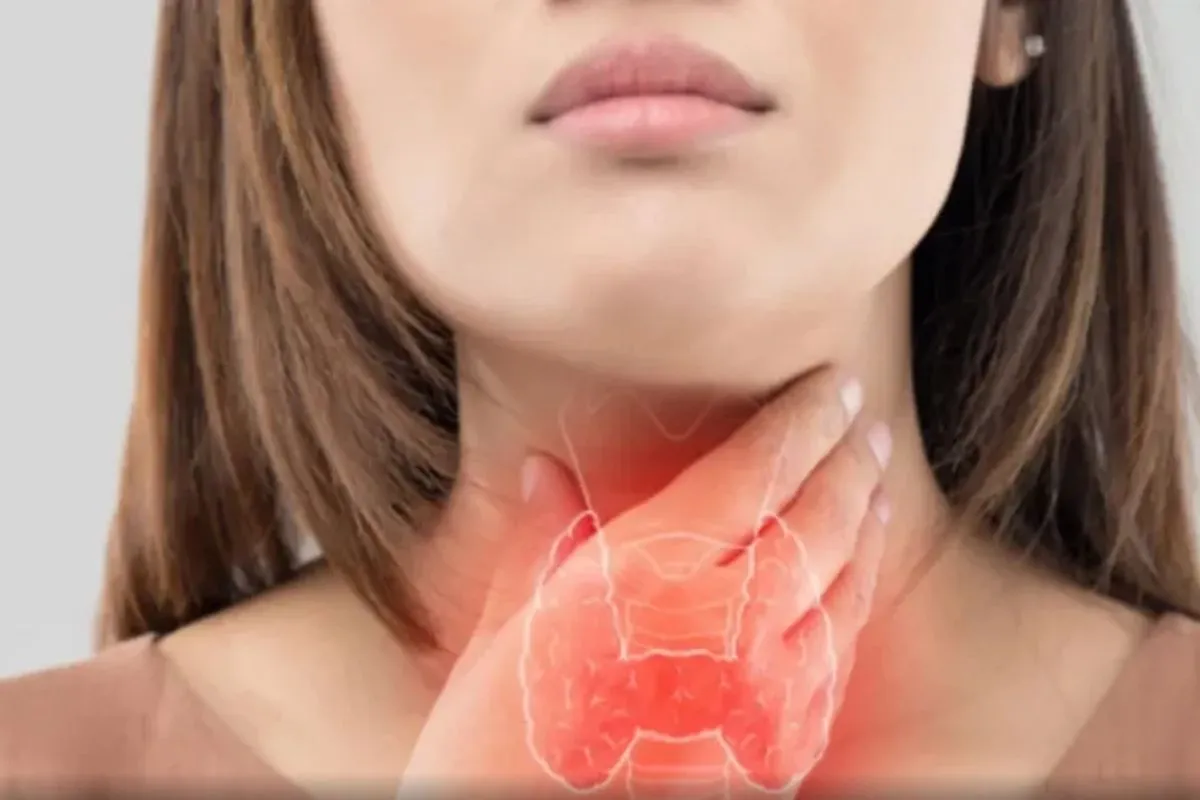
Thyroid Nodules: What an Ultrasound Reveals and When Further Tests Are Needed
6 October 2026

Mușchii, „organul longevității”: de ce slăbesc după 30 de ani și cum pot fi ajutați
6 October 2026

Winter Time and the Body: What Studies Show About Sleep, Energy and Health
5 October 2026

Recurring heartburn can be a sign of gastro-oesophageal reflux disease
5 October 2026