
Revolutionary Advances in Treating Hereditary Blood Disorders Affecting Seniors
O nouă tehnică de editare genetică oferă speranțe pentru tratarea afecțiunilor sanguine ereditare care afectează multe persoane în vârstă. A new gene-editing technique offers hope for treating hereditary blood disorders that affect many older people.
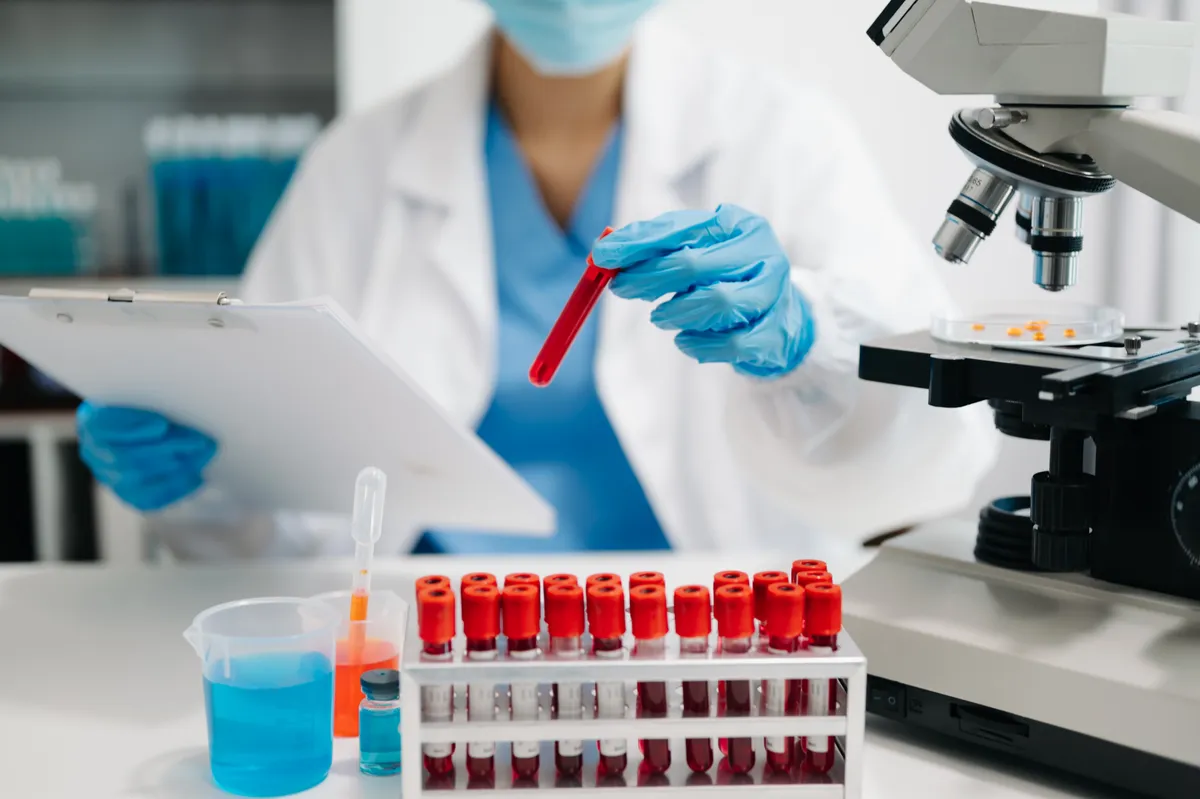
A groundbreaking medical advance from China is bringing new hope to elderly people suffering from serious hereditary blood disorders. Researchers have successfully applied an innovative gene-editing technique, marking a world first in the treatment of these complex conditions that particularly affect older adults.
Hereditary blood disorders pose a major challenge for elderly people, as symptoms tend to worsen with advancing age. Many of these conditions, such as thalassaemia or sickle cell anaemia, can cause severe complications in older patients, including chronic fatigue, intense pain and cardiac problems, significantly affecting quality of life.
The technique of 'base editing' represents a sophisticated evolution of gene therapy, enabling precise modifications to DNA without causing breaks in the genetic material. For older adults diagnosed with these conditions, this approach offers considerably safer prospects than traditional treatment methods, which often carry heightened risks in advanced age.
The impact of this discovery on the healthcare system is substantial, particularly for the long-term care of elderly patients. Many care homes and nursing centres currently face challenges in managing these complex conditions, which require constant monitoring and costly treatments.
For families caring for older relatives with hereditary blood disorders, this technology could significantly reduce the burden of long-term care. Current treatments frequently require regular transfusions, frequent hospitalisations and medications with severe side effects — all of which present major challenges for elderly people and their families.
Although the technology is still in the development phase and it will be some time before it is widely available, specialists believe this advance marks the beginning of a new era in treating genetic conditions in older patients. Future research will focus on adapting these therapies to the specific needs of elderly patients, taking into account the particular characteristics of the ageing immune system and the comorbidities associated with advanced age.
Content paraphrased and adapted by SeniorHelp from verified public sources.
Original source: Digi24 →Previous article
Benefits of cocoa for seniors' health: which chocolate to choose
Next article
Over 4.6 million pensioners in Romania — average pension reaches 2,782 RON
Similar news

Microplastics in tap water can be reduced through boiling and filtering, a study shows
16 October 2026

Over 350,000 doses of flu vaccine to arrive in pharmacies next week
16 October 2026
First influenza-related death of this season confirmed by INSP: unvaccinated man from Cluj
16 October 2026
Partial Nephrectomy: The Operation That Treats Kidney Tumours and Preserves the Kidney
16 October 2026

Time spent in nature could improve one's relationship with food, a British study suggests
16 October 2026

What a liver operation involves: preparation and recovery
15 October 2026