
Cultural activities slow biological ageing by up to 4%
Study: Weekly participation in arts and culture can slow biological ageing similarly to physical exercise, with measurable effects on DNA.
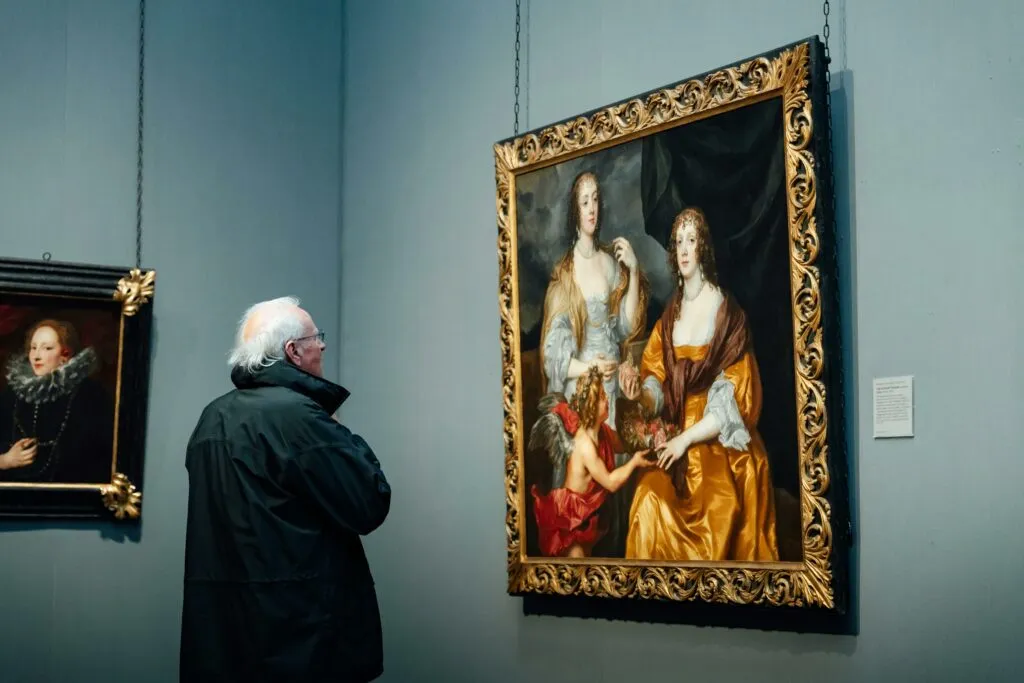
Groundbreaking research from University College London demonstrates that artistic and cultural activities can have a major impact on the biological ageing process. The study, which analysed 3,556 British adults, reveals that regular engagement in such activities can slow ageing at the cellular level, with effects comparable to those of physical exercise.
Measurable effects on biological ageing
Researchers found that people who participate in cultural activities on a weekly basis age approximately 4% more slowly than those who rarely engage in such experiences. This significant difference was measured by analysing chemical changes in DNA associated with the biological ageing process.
The findings are particularly relevant for adults over 40, where the beneficial effects were most pronounced. The benefits hold true regardless of factors such as body weight, smoking, level of education, or participants' income.
A diversity of cultural activities amplifies the benefits
The study highlights that participation in a variety of artistic activities — from visiting museums and joining choirs to creative classes — offers additional benefits. Each type of activity contributes different "ingredients" for health: physical, cognitive, emotional, and social stimulation.
Researchers used advanced tools known as "epigenetic clocks" to measure the pace of ageing with precision. In the PhenoAge test, people who engaged in cultural activities on a weekly basis appeared to be approximately one year younger biologically than those who participated rarely.
Implications for seniors' lifestyle
The findings suggest that artistic activities should be recognised as a health-promoting behaviour, much like physical exercise. For seniors, this means that cultural engagement is not merely a leisure pursuit, but a genuine investment in long-term health.
Experts emphasise that art and culture do not replace physical exercise, but complement it in a synergistic way. This integrated approach can provide seniors with valuable tools for maintaining vitality and slowing the degenerative processes associated with advancing age.
Content paraphrased and adapted by SeniorHelp from verified public sources.
Original source: Mediafax →Previous article
Arthritis medication could prove effective in treating depression in older adults
Next article
Romania Risks Losing PNRR Funds by August – Impact on Projects for Seniors
Similar news

Hepatitis A in Constanța: 23 outbreaks, 130 cases, under DSP monitoring
12 October 2026
 Foto ilustrativă
GPs warn: flu vaccination should not be delayed
11 October 2026

GPs recommend flu vaccination before the epidemic spreads
11 October 2026
Depression in the elderly, mistaken for ageing: what signs to look out for
11 October 2026
Dry skin in autumn: causes, affected areas and when to see a dermatologist
11 October 2026
Forgetfulness in Old Age: What's Normal and When to Visit PROMEMORIA for a Check-up
9 October 2026