
8 Essential Recommendations for Seniors During Heatwaves with Temperatures Exceeding 40°C
Extreme heatwaves are becoming increasingly frequent in Romania. Here is how elderly people can protect themselves on days with record temperatures.
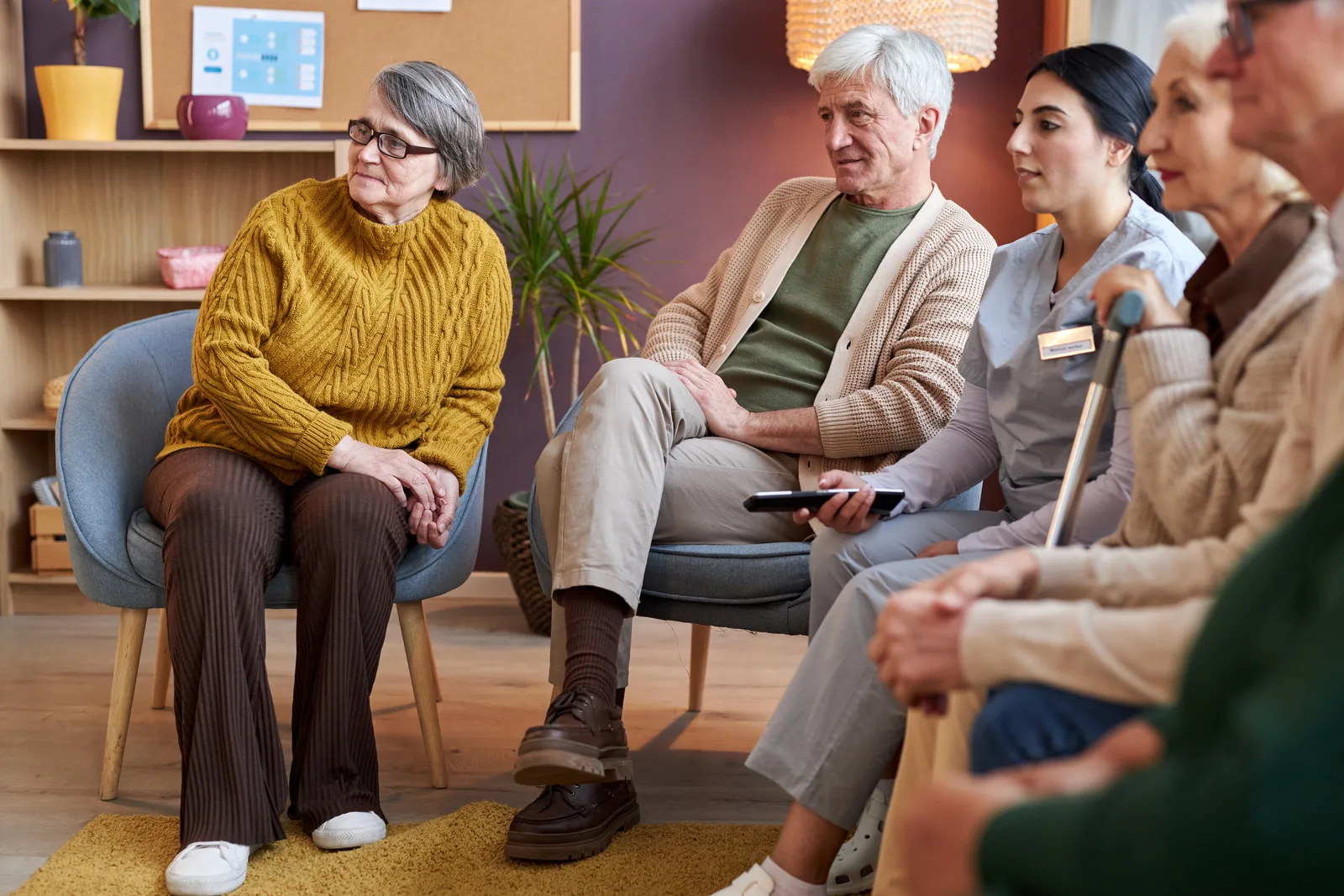 Foto ilustrativă
Why older people are more vulnerable during heatwaves
Heatwaves have become an increasingly common reality in Romania, with temperatures frequently exceeding 40 degrees Celsius across many regions of the country. This trend poses a significant risk particularly for older people, whose bodies have a reduced capacity to adapt to extreme temperature fluctuations. Doctors and public health specialists warn that senior citizens are among the most exposed groups in the population during such periods.
Adapting daily routines to extreme temperatures
One of the most important pieces of advice concerns reorganising daily activities around temperature patterns. Specialists recommend planning any outings for early in the morning or late in the evening, when the heat is more bearable. The middle hours of the day, particularly between 11:00 and 17:00, should be avoided for any outdoor activity, including short walks or shopping trips.
Hydration: the number one priority
Adequate fluid intake is essential during heatwaves. Older people often have a diminished sense of thirst, which makes them vulnerable to dehydration without realising it. Specialists recommend drinking water, unsweetened teas, or natural juices regularly, even in the absence of thirst. Alcoholic drinks, coffee, and sweetened fizzy drinks should be avoided, as they worsen dehydration.
Eating well on hot days
Diet plays an important role in maintaining the body's balance during a heatwave. Consuming fruits and vegetables with a high water content is recommended, such as cucumbers, tomatoes, watermelon, and citrus fruits. Heavy, hard-to-digest meals should be replaced with smaller, lighter portions served more frequently throughout the day. Foods high in salt should be consumed in moderation.
Keeping the home cool
The temperature inside the home should be kept at a comfortable level. Without air conditioning, windows and blinds can be kept closed during the day to prevent heat from entering, then opened in the evening to allow ventilation. Fans can provide a degree of relief, but are not sufficient when temperatures are very high. Older people who do not have cooling equipment at home are encouraged to spend part of the day in air-conditioned public spaces, such as shopping centres or libraries.
Appropriate clothing and sun protection
Choosing suitable clothing makes a significant contribution to thermal comfort. Light, loose-fitting garments made from natural fabrics such as cotton or linen, in light colours, allow better air circulation and reduce the absorption of solar heat. When going outdoors, wide-brimmed hats and sunglasses are essential. Applying sunscreen with a high sun protection factor is recommended even for areas covered by thin clothing.
Monitoring health and recognising warning signs
Older people, particularly those with chronic conditions such as high blood pressure, diabetes, cardiovascular or kidney disease, should be alert to any changes in their health during heatwaves. Symptoms such as dizziness, severe headaches, nausea, mental confusion, dry and hot skin, or absence of sweating may indicate heatstroke — a medical emergency requiring immediate intervention. In such situations, the emergency services must be called without delay.
The importance of social networks and monitoring older people living alone
Senior citizens who live alone represent a particularly vulnerable group during periods of extreme heat. Specialists recommend that relatives, neighbours, and acquaintances maintain more frequent contact with them and check on their wellbeing daily. Local authorities and social services are called upon to actively monitor isolated older people and ensure they have access to cool conditions and accurate information about the risks of heatwaves.
Content paraphrased and adapted by SeniorHelp from verified public sources.
Original source: Realitatea →Previous article
Toxoplasmosis: the parasite found in meat that can seriously damage your eyesight
Next article
Botoșani County Hospital, hiring freeze: 900 posts requested but not approved
Similar news
 Foto ilustrativă
Vaccinul gripal gratuit în 2026: cine beneficiază și când e recomandat să te imunizezi
26 September 2026
Peripheral Arteriography: the investigation that reveals blockages in the arteries of the legs and arms
25 September 2026

Socola Study: 6 in 10 Romanians Quickly Forget Essential Details. When Should We Be Concerned
25 September 2026
Palpitations, high blood pressure, chest pain: when you need a cardiologist
24 September 2026
Radiotherapy in the treatment of lung cancer: when and how it is used
24 September 2026
Aerophagia: when bloating and belching come from swallowed air, not from food
23 September 2026