
10 evening snacks that improve sleep in older adults
Foods rich in melatonin, magnesium and tryptophan can help seniors fall asleep more easily and get a better night's rest.
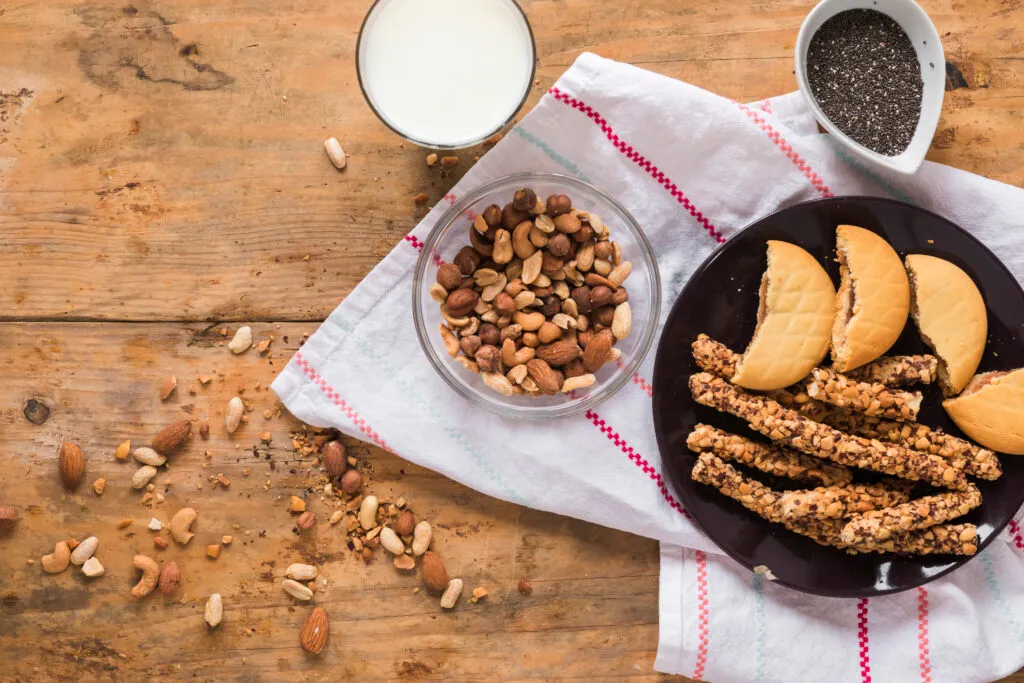
Sleep problems frequently affect older adults, but diet can be an unexpected ally in easing these difficulties. Research shows that certain evening snacks contain nutrients that support deeper, more restful sleep.
Essential nutrients for quality sleep
Nutrition specialists identify several compounds that promote a good night's rest: fibre, magnesium, tryptophan, melatonin, vitamin D and omega-3 fatty acids. These nutrients work together to regulate the circadian cycle, reduce inflammation in the body and facilitate the transition into sleep.
Recommended options for older adults
Walnuts and almonds are an excellent choice, being natural sources of omega-3, melatonin and magnesium. A small portion before bedtime can calm the nervous system and prepare the body for rest.
Yoghurt with fruit combines the benefits of tryptophan and vitamin D. Adding chia or hemp seeds enriches the snack with omega-3, creating an ideal nutritious mix for the evening.
Sour cherries are well known for their high natural melatonin content. They can be eaten fresh or as a smoothie, helping to regulate the circadian rhythm.
Turkey in moderate quantities provides tryptophan, the amino acid that is a precursor to serotonin, the wellbeing hormone. A slice of turkey on wholegrain bread can encourage relaxation.
Foods to avoid in the evening
To avoid disrupting sleep, older adults should steer clear of alcohol, added sugar and ultra-processed foods in the evening. The caffeine in coffee, black tea or chocolate can delay sleep onset even hours after consumption.
Choosing light, nutritious snacks can be a simple yet effective strategy for improving sleep quality in seniors, contributing to an overall better state of health.
Content paraphrased and adapted by SeniorHelp from verified public sources.
Original source: Mediafax →Previous article
Tea - the drink with health benefits for seniors. Celebrated on 21 May
Next article
Problems at the Ministry of Health with PNRR-funded hospitals
Similar news

Why We Feel More Tired in Autumn: What the Specialists Say
7 October 2026
Thyroid Nodules: What an Ultrasound Reveals and When Further Tests Are Needed
6 October 2026

Winter Time and the Body: What Studies Show About Sleep, Energy and Health
5 October 2026

Recurring heartburn can be a sign of gastro-oesophageal reflux disease
5 October 2026

How to Choose the Right Pillow for Sleep. Signs That It Needs Replacing
3 October 2026

Japanese Monk Begins 12 Years of Total Isolation: What Science Says About the Effects of Loneliness
3 October 2026