
Essential Tremor in the Elderly: How to Tell It Apart from Parkinson's
Find out how to recognise the differences between essential tremor and Parkinson's disease, when to see a neurologist, and what practical adjustments can help your loved one live more comfortably.

Contents
Hands that tremble when your mother tries to hold her teacup. The subtle shaking of fingers when your grandfather wants to sign a document. For many families, these moments become a source of concern – and often the first question that arises is: "Could it be Parkinson's disease?" The reality is that not every tremor means Parkinson's. Essential tremor, a distinct neurological condition that is far more common in older adults, is frequently confused with Parkinson's – but the differences are significant, and recognising them can completely change the therapeutic approach and quality of life.
Approximately 4–5% of the population over 65 lives with essential tremor, and for many families, a lack of accurate information means months of unnecessary anxiety or, conversely, overlooking signs that warrant medical attention. Understanding the differences between these two conditions and knowing which signs call for specialist evaluation are not merely useful – they are essential for ensuring your loved one receives the right care and that the family can provide the support they need.
Contents
- What essential tremor is and why it occurs
- Key differences between essential tremor and Parkinson's
- Signs the family can observe at home
- Why an accurate diagnosis matters and when to see a neurologist
- How tremor affects daily activities
- Strategies and adaptations for comfort and safety
- When tremor becomes a warning sign
- Frequently asked questions
What essential tremor is and why it occurs
Essential tremor is a neurological disorder that causes rhythmic, involuntary movements, usually of the hands, though it can also affect the head, voice, or other parts of the body. Unlike other forms of tremor, it occurs primarily during movement – when the person is trying to do something with their hands, not when they are at rest. It is a chronic condition that progresses over time, but it does not affect life expectancy and is not a degenerative disease like Parkinson's.
The exact cause of essential tremor is not fully understood, but specialists believe it involves abnormal nerve circuits in the brain, particularly in the cerebellum (the area responsible for coordinating movement). There is a significant genetic component – approximately half of all people with essential tremor have a family member with the same condition, which is why it is sometimes referred to as familial tremor.
Factors that can worsen essential tremor
- Emotional stress or heightened anxiety
- Physical fatigue or lack of sleep
- Caffeine consumption (coffee, black tea, energy drinks)
- Extreme temperatures (particularly cold)
- Certain medications (bronchodilators, corticosteroids, some antidepressants)
It is important to note that essential tremor is not accompanied by other major neurological symptoms such as the muscle rigidity or balance problems characteristic of Parkinson's disease. This absence of additional symptoms is itself one of the clues that helps distinguish between the two conditions.
Key differences between essential tremor and Parkinson's
The confusion between the two conditions is understandable – both involve tremor and both occur more frequently in older adults. But the differences are clear to an experienced clinician, and can also be observed by family members once you know what to look for.
When the tremor occurs
This is the most important difference. Essential tremor manifests during action – when the person is trying to hold a fork, write, or lift a glass. In Parkinson's, the tremor is a resting tremor, meaning it appears when the hand is relaxed, resting on a table or hanging by the side, and reduces or disappears when the person begins to use that hand.
Parts of the body affected
- Essential tremor: typically affects both hands symmetrically; may involve the head (a "yes" or "no" nodding motion), the voice (vocal trembling), and rarely the legs
- Parkinson's: often begins on one side of the body (one hand) and then spreads asymmetrically; the head is rarely affected, though tremor of the jaw or legs may occur
Associated symptoms
In Parkinson's, the tremor is accompanied by other distinctive neurological signs: muscle rigidity (cogwheel movements), slowness of movement (bradykinesia), stooped posture, balance problems, and reduced facial expression. Essential tremor occurs in isolation or with minor symptoms such as difficulties with fine coordination.
Response to alcohol
An unusual but significant detail: essential tremor temporarily improves in many people after moderate alcohol consumption (a glass of wine, for example). This does not occur in Parkinson's disease. Of course, this is neither a diagnostic method nor a therapeutic recommendation – simply a clinical observation that helps specialists distinguish between the two conditions.
Signs the family can observe at home
As a family member, you are often the first to notice subtle changes. Here is what is worth monitoring carefully – without falling into excessive anxiety, but without dismissing the signs either:
At the table and during meals
- Does the hand tremble when bringing a spoon or fork to the mouth?
- Does liquid spill from the glass when trying to drink?
- Does the trembling stop or reduce when the hand rests on the table?
- Is there difficulty cutting food or using a knife?
During precision tasks
Observe whether your loved one avoids or struggles with: handwriting (letters become shaky, though not necessarily smaller as in Parkinson's), inserting a key into a lock, doing up shirt buttons, applying make-up, or shaving.
Head or vocal movements
Essential tremor can cause an involuntary "yes-yes" or "no-no" movement of the head, as well as a subtle tremor in the voice, particularly when the person speaks at length or is emotional. These manifestations are rare in Parkinson's.
The context in which it occurs
Make a mental note or write down when the tremor seems most intense: after coffee, in stressful situations, when tired? Or does it appear mainly in the morning or when the person is relaxed? These details will be invaluable for the neurologist.
Why an accurate diagnosis matters and when to see a neurologist
It may seem an obvious point, but many people delay seeing a doctor because "it's just old age" or "what can a doctor do about a tremor?" The reality is that an accurate diagnosis makes a major difference to symptom management and to the family's peace of mind.
The treatments are entirely different. Medications effective for Parkinson's (levodopa, dopamine agonists) do not help in essential tremor and may actually worsen symptoms. Conversely, the beta-blockers or anticonvulsants used for essential tremor have no effect in Parkinson's. A misdiagnosis means months of ineffective treatment and potential side effects.
When to seek urgent neurological review
- The tremor appears suddenly or worsens rapidly over a matter of weeks
- It is accompanied by muscle weakness, difficulty speaking, or difficulty swallowing
- The person has frequent falls or significant balance problems
- Confusion, personality changes, or memory problems develop
- The tremor significantly affects quality of life and independence
The diagnostic process
The neurologist will take a full medical history, observe the tremor under different conditions (at rest, during movement, during targeted tasks), and examine muscle tone, reflexes, and coordination. Blood tests may be needed to rule out other causes (thyroid problems, vitamin B12 deficiency), and imaging investigations (cerebral MRI) are sometimes requested – though these do not confirm essential tremor so much as exclude other conditions.
How tremor affects daily activities
The impact of essential tremor on day-to-day life varies considerably from person to person. For some it is merely a minor inconvenience; for others it becomes a significant challenge that affects independence and self-esteem.
Eating and drinking
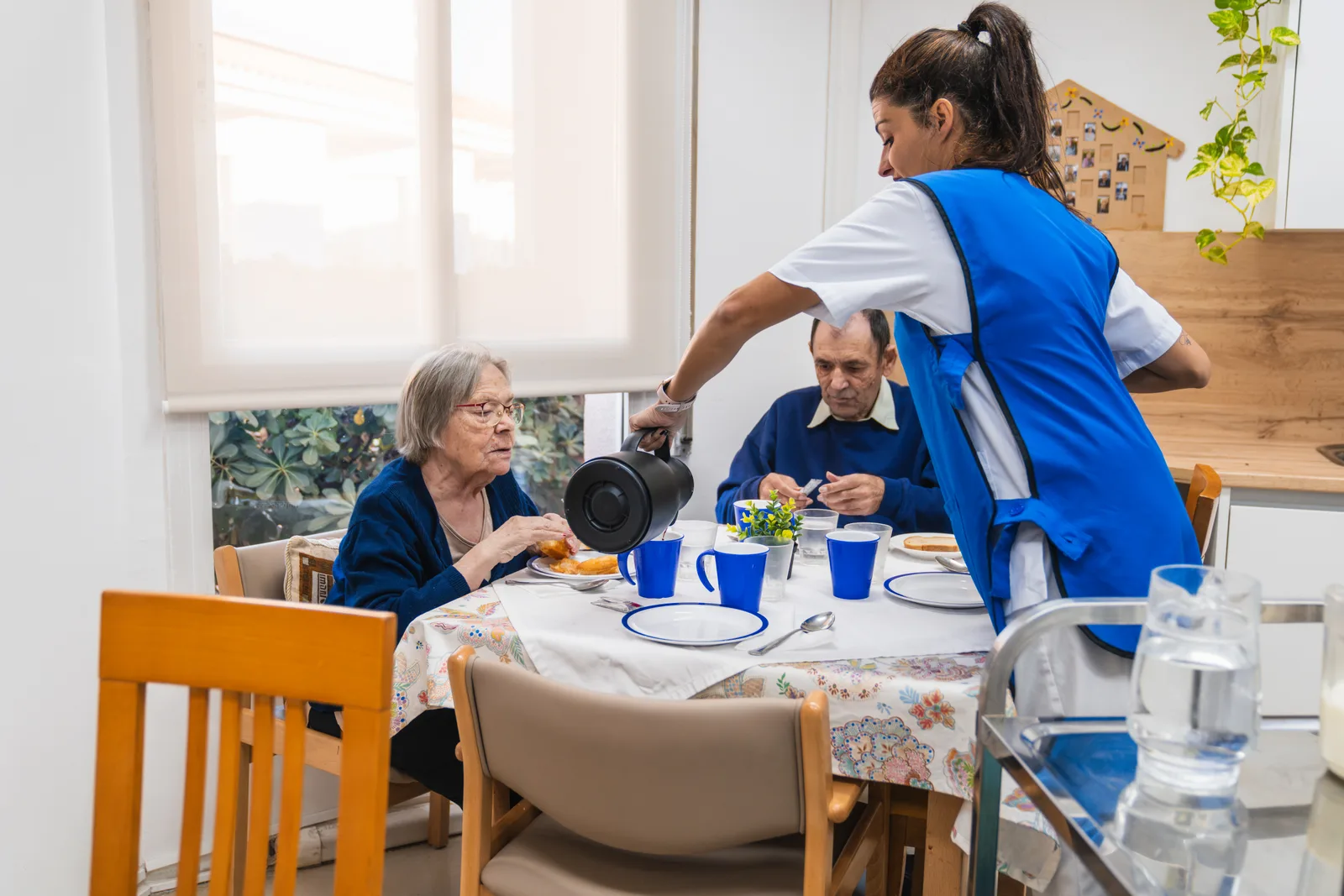
Most commonly, people report difficulties at mealtimes. A spoonful of soup trembles and spills, a cup of coffee becomes a source of stress rather than pleasure, and cutting meat requires concentrated effort. Many people come to avoid eating in public for fear of embarrassment or judgement, which leads to social isolation.
Personal hygiene
- Shaving becomes difficult and potentially dangerous with a traditional razor
- Applying toothpaste to a toothbrush takes more time and effort
- Applying make-up becomes frustrating or impossible
- Doing up small buttons requires assistance
Written communication and technology
Handwriting becomes shaky and difficult to read, which affects signing documents or jotting down information. Using a mobile phone or tablet can be difficult due to tremor when targeting small buttons. Typing on a computer may also be affected, though generally less so than handwriting.
Psychological and social impact
Beyond the physical difficulties, essential tremor has a significant emotional impact. Many people report anticipatory anxiety (the fear of being noticed trembling), withdrawal from social activities, and feelings of shame or frustration. These emotional aspects can actually worsen the tremor itself, creating a vicious cycle that needs to be broken with family support and, sometimes, psychotherapeutic help.
Strategies and adaptations for comfort and safety
The good news is that there are many practical adaptations that can make life significantly easier, without major expense and without making the home feel like a clinical environment.
In the kitchen and at mealtimes
- Use cups and glasses with lids and straws, or cups with two handles for greater stability
- Weighted cutlery with thick handles (available from orthopaedic supply shops) provides better control
- Choose plates with raised edges or suction-based plates that do not slide
- Non-slip mats under plates help prevent them from moving across the table
- Prepare more spoon-based meals (soups, porridges) rather than dishes requiring a knife and fork
For dressing and personal care
- Replace buttons with velcro or zip fastenings where possible
- Choose clothing with elasticated waistbands that are easier to manage
- Use an electric razor rather than a traditional blade
- Use an electric toothbrush with a thick handle
- Specialist holders for mascara or lip liner application are available for women
For writing and fine motor tasks
Use pens with thick barrels or foam grip sleeves. For important documents, explore legally accepted digital signature options. Voice dictation apps for phones or computers can replace typing in many situations.
Behavioural strategies that help
- Elbow support: resting the elbow on the table whilst eating or writing reduces the amplitude of the tremor
- Wrist weights: specialist weighted wristbands can reduce tremor through inertia (consult your neurologist before using these)
- Relaxation techniques: deep breathing, meditation, or yoga can reduce the anxiety that worsens tremor
- Avoiding triggers: reducing caffeine intake, ensuring adequate sleep, and managing stress
Adaptations in the home environment
Ensure the bathroom has grab rails and a non-slip mat – tremor can affect balance in potentially hazardous situations. Use a bedside lamp or motion-sensor light in the bedroom, as small light switches can be difficult to operate. Organise everyday objects at a comfortable mid-height to avoid the need to reach with a trembling hand towards high shelves.
When tremor becomes a warning sign
Not every tremor is benign or essential. There are situations in which shaking hands is a symptom of a medical problem that requires urgent intervention. Families should be aware of these red flags in order to respond promptly.
Treatable causes of tremor that must be ruled out
Hyperthyroidism: an overactive thyroid gland produces fine hand tremor accompanied by weight loss, palpitations, heat intolerance, and nervousness. Blood tests (TSH, T3, T4) confirm the diagnosis, and treatment rapidly normalises the tremor.
Medication side effects: many medications commonly used by older adults can cause or worsen tremor – including bronchodilators for asthma, corticosteroids, some antidepressants (SSRIs), lithium, valproic acid, and some blood pressure medications. If tremor has appeared since starting a new medication, this should be discussed urgently with the prescribing doctor.
Excessive caffeine consumption: in sensitive individuals, even 2–3 cups of coffee per day can provoke tremor. Reducing or eliminating caffeine (gradually, to avoid withdrawal headaches) may resolve the problem entirely.
Alcohol withdrawal syndrome: in people with chronic alcohol use, sudden cessation can cause severe tremor accompanied by anxiety, sweating, and confusion. This is a medical emergency.
Signs that the tremor may indicate something more serious
- Asymmetric tremor predominantly affecting one side of the body
- Accompanied by muscle rigidity or markedly slowed movements
- Sudden onset following a head injury
- Accompanied by fever, severe headache, or altered consciousness
- Associated with muscle weakness or sensory changes
- Rapid progression over days or weeks
The importance of a thorough assessment
Even when the tremor appears clearly essential, a full medical evaluation is vital. This includes blood tests for thyroid function, glucose levels, kidney and liver function, vitamin B12, and calcium. It is crucial to discuss all medications the person is taking – including supplements and herbal products – as interactions can cause tremor.
Frequently asked questions
Can essential tremor be cured?
There is no definitive cure for essential tremor, but the condition can be managed effectively. Medications (beta-blockers, anticonvulsants) reduce the intensity of tremor in many people. In severe cases, deep brain stimulation (DBS) offers excellent results. Most people live well with practical adaptations and appropriate treatment.
Does essential tremor lead to Parkinson's?
No. Essential tremor and Parkinson's disease are distinct neurological conditions with different underlying mechanisms. Essential tremor does not progress to Parkinson's and does not increase the risk of developing it. The confusion arises because both conditions cause tremor, but their nature and mechanism are entirely different.
Can physical exercise or physiotherapy help?
Yes, regular exercise can help maintain muscle strength, coordination, and balance, which partially compensates for the difficulties caused by tremor. Yoga, tai chi, and relaxation exercises can reduce the stress that worsens tremor. Occupational therapy provides concrete strategies for daily activities. Whilst these interventions do not eliminate tremor, they improve quality of life.
Is it normal for tremor to vary from day to day?
Absolutely. Variability is a typical feature of essential tremor. Stress, fatigue, caffeine, medications, or even temperature can influence the intensity of tremor from one day to the next, or even from one hour to another. This variability does not indicate disease progression, but rather a normal response to various triggering factors.
Do I need to give up driving because of the tremor?
Not necessarily. The decision depends on the severity of the tremor and the ability to control the steering wheel safely. Many people with mild or moderate essential tremor drive without difficulty. It is important to discuss driving safety with your neurologist. In more severe cases, or where tremor affects reaction time, alternatives such as organised transport or mobility services for older adults may be worth considering.
Can diet influence essential tremor?
Caffeine is the main dietary factor that worsens tremor, and reducing or eliminating it can make a noticeable difference. Beyond this, there is no evidence that specific diets or supplements cure essential tremor. A balanced diet, adequate hydration, and alcohol in moderation (or not at all) are the general recommendations. Avoid prolonged periods without eating, as these can worsen tremor through hypoglycaemia.
Your loved one's tremor may feel daunting at first, but with accurate information, a precise diagnosis, and practical adaptations, most families find they can maintain a good quality of life. Do not hesitate to seek specialist medical help – the neurologist and occupational therapist are your allies on this journey. And remember: empathy, patience, and practical changes to the home environment can do more for everyday comfort than you might imagine.
This article is for informational purposes only and does not replace medical advice. For individual concerns, please consult a specialist neurologist.
Previous
Signs That Home Care Is No Longer Sufficient
Next
Cataract Surgery in the Elderly: What the Family Needs to Do
Similar articles
Signs That Home Care Is No Longer Sufficient
28 November 2026
Cataract Surgery in the Elderly: What the Family Needs to Do
27 November 2026
Gastrostomy (PEG) in the Elderly: What Families Need to Know at Home
26 November 2026
How to Prepare Your Home for a Senior with Parkinson's: A Practical Adaptation Guide
25 November 2026
Anxiety in Older Adults: What Every Family Should Know
24 November 2026
How to Manage Vomiting and Nausea in the Elderly at Home
24 November 2026