
Sleep of over 9 hours after the age of 50 linked to a shorter working life, study shows
A Finnish study involving over 76,000 people shows that prolonged sleep and severe sleep disorders after the age of 50 are associated with earlier withdrawal from professional activity.
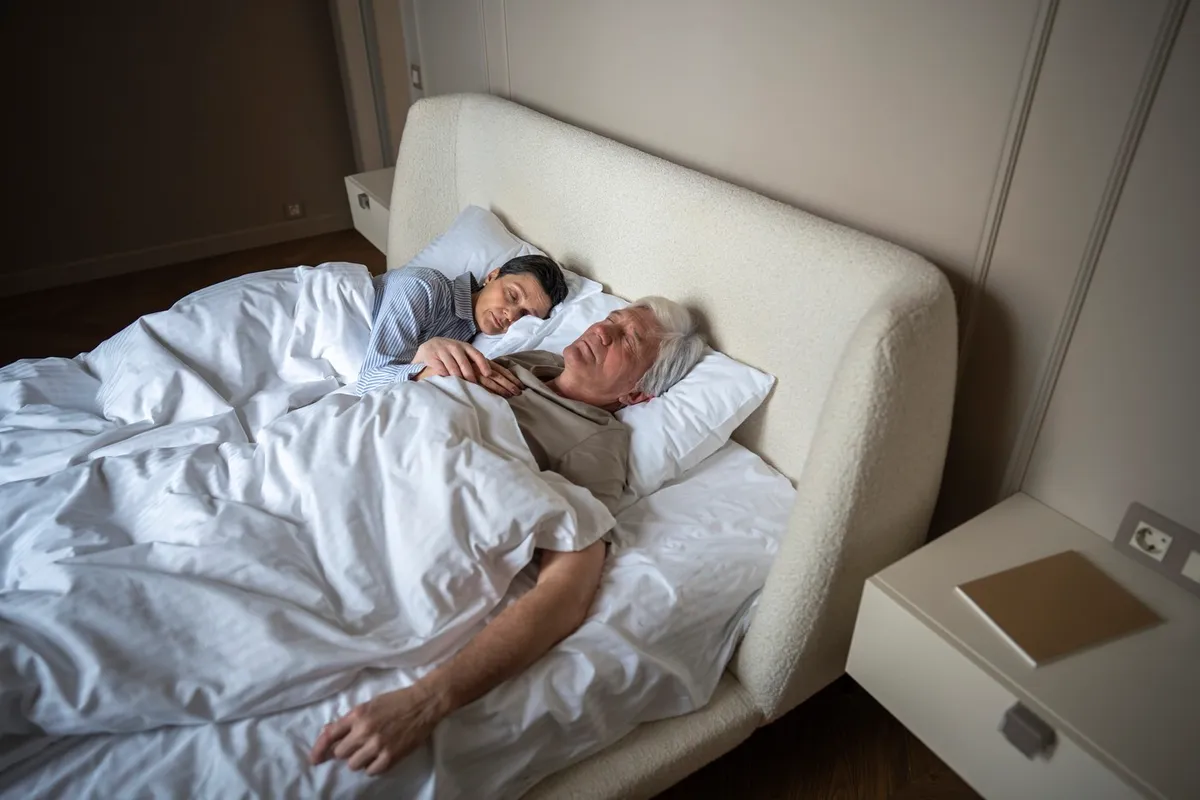
People aged over 50 who sleep nine hours or more per night may have a shorter working life than those who sleep between seven and eight and a half hours. This is the conclusion of a study conducted in Finland involving more than 76,000 people, published in the journal Occupational & Environmental Medicine and reported by ScienceDaily on 28 November 2026.
The research shows that both very long sleep and severe sleep disturbances are associated with earlier exit from the labour market, with differences reaching, in some categories, more than two and a half years. The scientists note, however, that the data do not prove that excessive sleep causes early retirement, but rather that it may indicate underlying health problems.
How the study was conducted
The researchers used data from two Finnish observational studies. The first, the Finnish Public Sector (FPS) study, included 70,339 public sector employees monitored between 2000 and 2016, of whom approximately 80% were women. The second, the Health and Social Support (HeSSup) study, included 6,071 people from the working population, followed between 1998 and 2013. In total, 76,410 participants were included in the analysis.
The specialists analysed sleep information reported by participants after they reached the age of 50, dividing sleep duration into three categories:
- Short sleep: fewer than 7 hours per night
- Intermediate sleep duration: between 7 and 8.5 hours
- Extended sleep: 9 hours or more
Participants were also asked about difficulty falling asleep, waking during the night, waking too early, and feeling tired upon waking. These responses were then cross-referenced with official records on employment and retirement, with the analysis examining the estimated length of labour market participation between the ages of 50 and 68.
How much does extended sleep reduce working life?
In the FPS study, people who slept between 7 and 8.5 hours had an estimated working life expectancy of approximately 13 years and 2 months after the age of 50. Those who slept 9 hours or more had an estimated duration of just 12 years and 5 months — a difference of approximately nine months.
In the HeSSup study, the difference was even greater: people who slept at least 9 hours had a working life expectancy of just over 30 months less than those with intermediate sleep duration.
The impact of severe sleep disturbances
Participants were also divided according to the frequency of their sleep problems: those with no difficulties or at most one problematic night per week, those with problems on 2 to 4 nights per week, and those with severe disturbances occurring at least 5 to 6 nights per week.
People with no sleep problems had an estimated working life expectancy of 13 years and 5 months after the age of 50. Those with moderate disturbances reached approximately 13 years, whilst those with severe problems reached 12 years and 10 months — a reduction of approximately eight months compared with those with no sleep difficulties. The differences were observed in both women and men, regardless of occupational category.
Why extended sleep may be a warning sign
The researchers caution that the results should not be interpreted as meaning that sleeping more than 9 hours directly causes health problems or early retirement. It is possible that people who sleep for very long periods are already suffering from conditions that increase their need for sleep whilst simultaneously reducing their capacity to work — such as chronic illnesses or mental health problems.
The study was unable to fully account for these factors, nor for the influence of shift work or other health-related behaviours. As an observational study, it cannot demonstrate a direct causal relationship.
The role of education and type of employment
The study also reveals differences related to occupation and level of education. In the FPS study, women in professional roles with no sleep disturbances had an estimated working life expectancy of nearly 14 years after the age of 50. By contrast, men in routine occupations with severe sleep disturbances had an estimated duration of approximately 12 and a half years — a difference of roughly one year and 5 months.
In the HeSSup study, the gap was even more pronounced: among participants with a low level of education and extended sleep, the estimated working life fell to approximately 6 years and 5 months, with the difference compared with more advantaged groups reaching approximately 5 years.
How many hours of sleep are recommended after the age of 50?
The study does not establish a universal number of sleep hours suitable for everyone over 50. Nevertheless, the data show that people sleeping between 7 and 8.5 hours generally had a longer working life than those sleeping at least 9 hours. No clear difference was identified between those with short sleep and those with intermediate duration in terms of years spent in the labour market.
The researchers clarify that this does not mean insufficient sleep is without risk — the study examined only estimated working life expectancy, not all the medical consequences of sleep deprivation. The findings do not, under any circumstances, justify deliberately reducing sleep hours in order to extend one's career.
Content paraphrased and adapted by SeniorHelp from verified public sources.
Original source: Digi24 →Similar news

Recreational exercise reduces the risk of dementia, but demanding physical labour increases it, a study shows
28 November 2026

Manuka Honey: What Are Its Benefits and When Is It Not Recommended
28 November 2026

Study: generations born after 2000 are ageing earlier than their parents
28 November 2026

COPD: The Romanian Society of Pneumology launches a new guide for physicians, aligned with the GOLD 2026 recommendations
27 November 2026
 Foto ilustrativă
Why prolonged sitting remains a health risk, even if you exercise
27 November 2026

What Happens to Your Body When You Skip Breakfast, as Explained by Nutritionists
27 November 2026