
Recreational exercise reduces the risk of dementia, but demanding physical labour increases it, a study shows
A study of 4.2 million people shows that leisure-time exercise reduces the risk of dementia by 24%, whilst physically demanding work increases it by 20%.
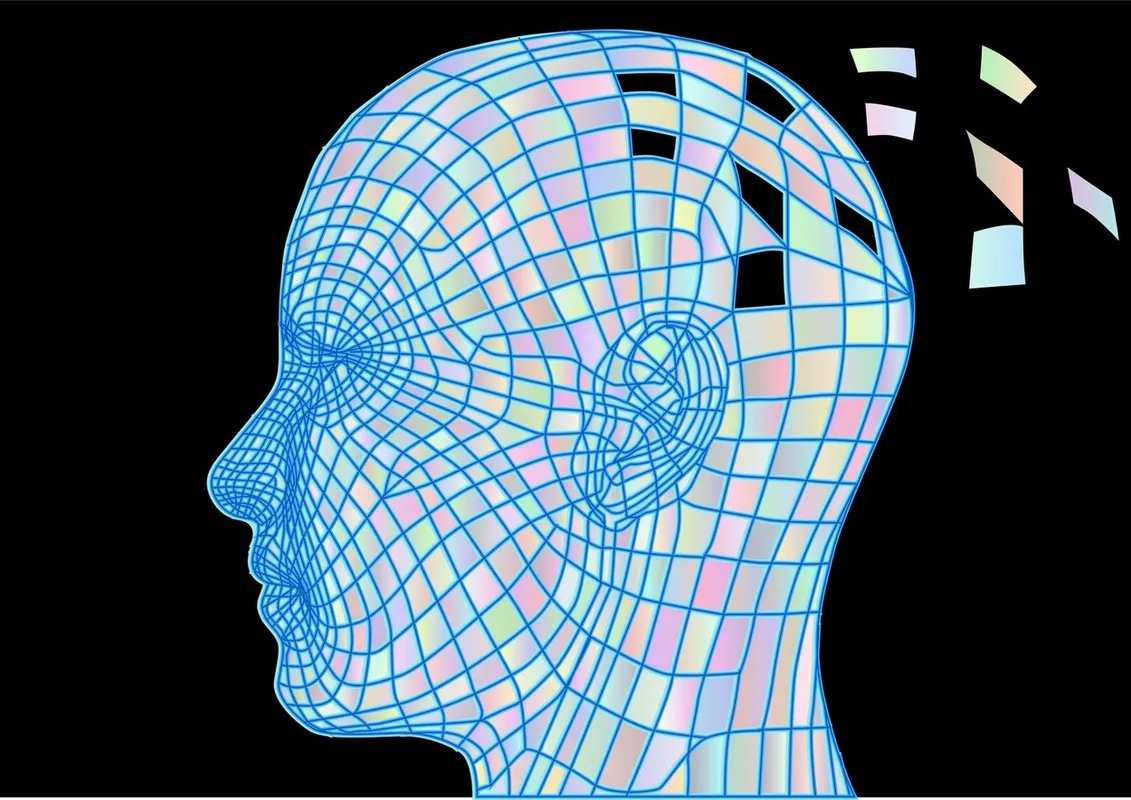
A large-scale study conducted by the University of Southern California (USC) shows that not all types of physical activity have the same effect on brain health. According to the study, cited by Science Daily, physical exercise undertaken for pleasure during leisure time was associated with a 24% lower risk of dementia, whilst demanding physical labour in the workplace was linked to a 20% higher risk.
The analysis included data from over 4.2 million people aged between 45 and 93, from 30 countries, drawn from 74 cohort studies and case-control studies. The researchers tracked diagnoses of dementia from any cause, Alzheimer's disease, and vascular dementia over an average period of ten years. The study was published in the journal The Lancet Public Health and was led by David Raichlen, Professor of Biological Sciences and Anthropology at USC.
The research represents the first systematic investigation to examine whether the so-called "physical activity paradox" – already documented in the cardiovascular field – also applies to dementia. This paradox refers to the fact that physical labour does not necessarily confer the same benefits as recreational exercise, and may in fact be associated with a higher risk of illness.
What the figures show
- Recreational physical activity (walking, cycling, running, swimming, sports) – a 24% lower risk of dementia for the most active individuals, compared with the least active.
- Physical activity related to household chores – appears to offer similar benefits, though this conclusion is based on a single study.
- Physical activity in the workplace – a 20% higher risk of dementia for individuals with high levels of occupational physical exertion.
- Active commuting to and from work (walking, cycling) – associated with a modest increase in risk, with evidence drawn from just two studies.
Natan Feter, lead author of the study, postdoctoral researcher in David Raichlen's laboratory at USC and researcher at the Epidemiology Programme of the Federal University of Rio Grande do Sul in Brazil, stated: "The findings contradict the longstanding assumption that 'any movement counts' for brain health."
The authors highlight that recreational exercise and physical labour are often treated as equivalent when measuring "physical activity" in general, despite the circumstances in which they occur differing significantly. People who exercise during their leisure time typically have greater control over the intensity of their activity, along with the added benefits of socialisation and stress reduction. By contrast, physically demanding occupations may involve repetitive movements, long hours on one's feet, heavy lifting, insufficient recovery time, and exposure to harmful working conditions.
The researchers believe that it is not the movement itself that explains the heightened risk associated with physical labour, but rather the social and environmental factors that frequently accompany it: psychological and social stress, limited control over one's own activity, unsafe working conditions, and greater exposure to air and noise pollution – all factors independently associated with dementia risk. Furthermore, those in physically demanding jobs often have less leisure time, face exhaustion, and have limited access to safe spaces for recreational exercise.
The research team notes that the findings should not discourage people from pursuing physically demanding occupations. As an observational study, it cannot demonstrate that occupational physical activity causes dementia, but only an association. The link between recreational exercise and reduced risk, and between physical labour and increased risk, held even after the researchers accounted for participants' age, educational level, and chronic health conditions.
A separate study, also conducted by Raichlen, Feter, and their colleagues and published in the journal Alzheimer's & Dementia, shows that the type of sedentary activity may also influence brain structure. Mentally stimulating activities performed whilst seated, such as office work, were associated with greater volume in certain regions of the cerebral cortex – including areas involved in executive function – compared with passive activities such as watching television.
According to the authors, these findings suggest that the simple recommendation to "move more" is insufficient if the context in which that movement takes place is not also taken into account. David Raichlen stated: "When it comes to protecting the brain, the context of physical activity may matter just as much as the movement itself."
He added: "Improving access to safe parks, walking routes, and recreational facilities, ensuring sufficient leisure time for physical exercise, and reducing harmful occupational exposures may ultimately prove just as important as promoting physical activity itself."
Content paraphrased and adapted by SeniorHelp from verified public sources.
Original source: Digi24 →Previous article
Sleep of over 9 hours after the age of 50 linked to a shorter working life, study shows
Next article
Manuka Honey: What Are Its Benefits and When Is It Not Recommended
Similar news
Sleep of over 9 hours after the age of 50 linked to a shorter working life, study shows
28 November 2026

Manuka Honey: What Are Its Benefits and When Is It Not Recommended
28 November 2026

Study: generations born after 2000 are ageing earlier than their parents
28 November 2026

COPD: The Romanian Society of Pneumology launches a new guide for physicians, aligned with the GOLD 2026 recommendations
27 November 2026
 Foto ilustrativă
Why prolonged sitting remains a health risk, even if you exercise
27 November 2026

What Happens to Your Body When You Skip Breakfast, as Explained by Nutritionists
27 November 2026