
Home Care vs. Care Home: Which Option Is Right for You?
Find out the key differences between home care and residential care homes for seniors, what costs each option involves, and how to choose the best solution for your loved one.
Contents
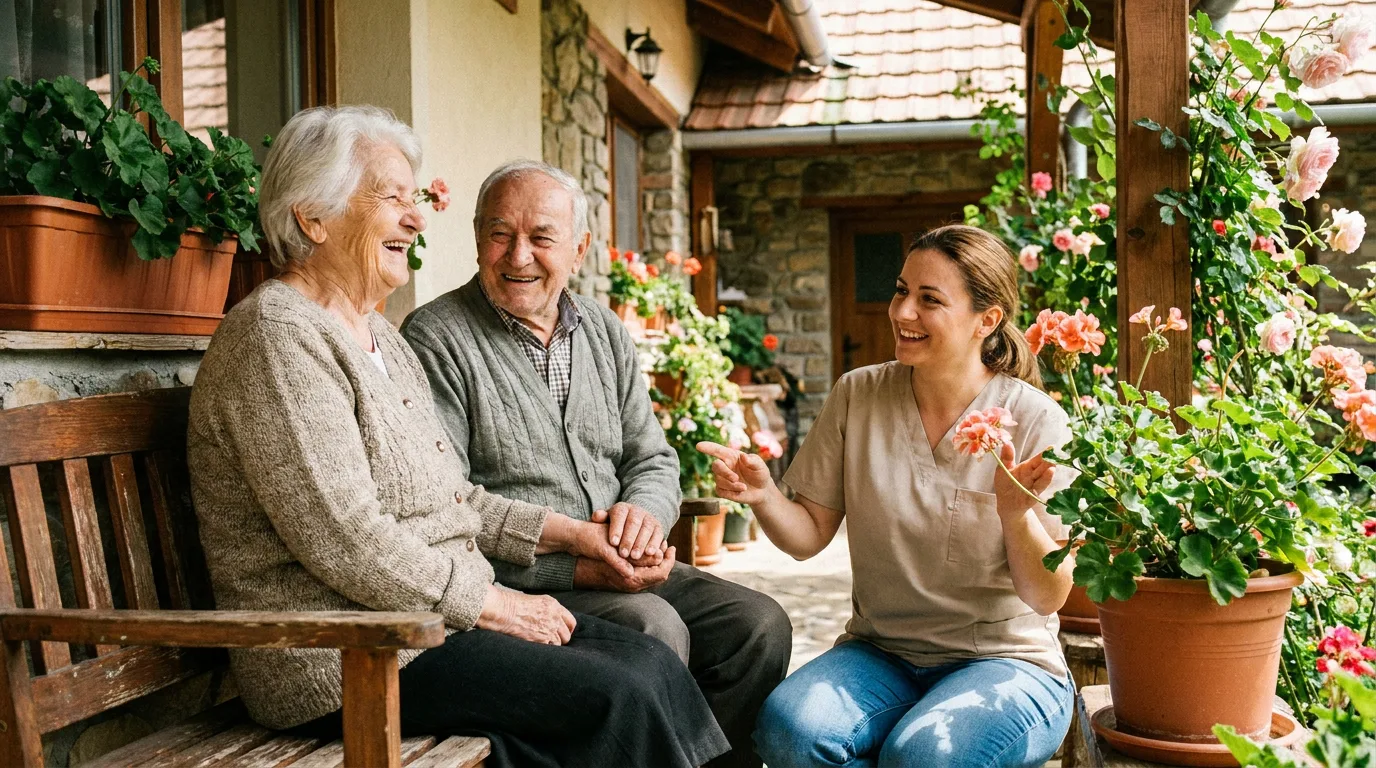
When a beloved parent or grandparent reaches a point in life where they can no longer manage daily activities on their own, families face one of the most difficult decisions: home care or moving to a specialist care home? There is no universal answer, and every situation calls for a careful assessment of the senior's medical, emotional, and financial needs, as well as the family's capacity to provide consistent support.
Recent statistics show that over 40% of families in Romania who are caring for a senior experience moments of emotional and physical exhaustion, and a lack of accurate information about the available options makes this process even more complex. Choosing between home care and a residential care home is not merely a practical decision – it is a profoundly human choice that must account for the elderly person's dignity, comfort, and quality of life.
In this article, you will discover the key differences between the two forms of care, the advantages and disadvantages of each, the costs involved, and the practical criteria that can guide you towards the most suitable decision for your unique situation.
Contents
- What home care for seniors involves
- The advantages of home care
- The limitations and challenges of home care
- What a modern care home offers
- The benefits of a specialist environment for seniors
- Cost comparison: home care vs. care home
- Essential criteria for choosing the right option
- Signs that it is time for a change
- Frequently asked questions
What home care for seniors involves
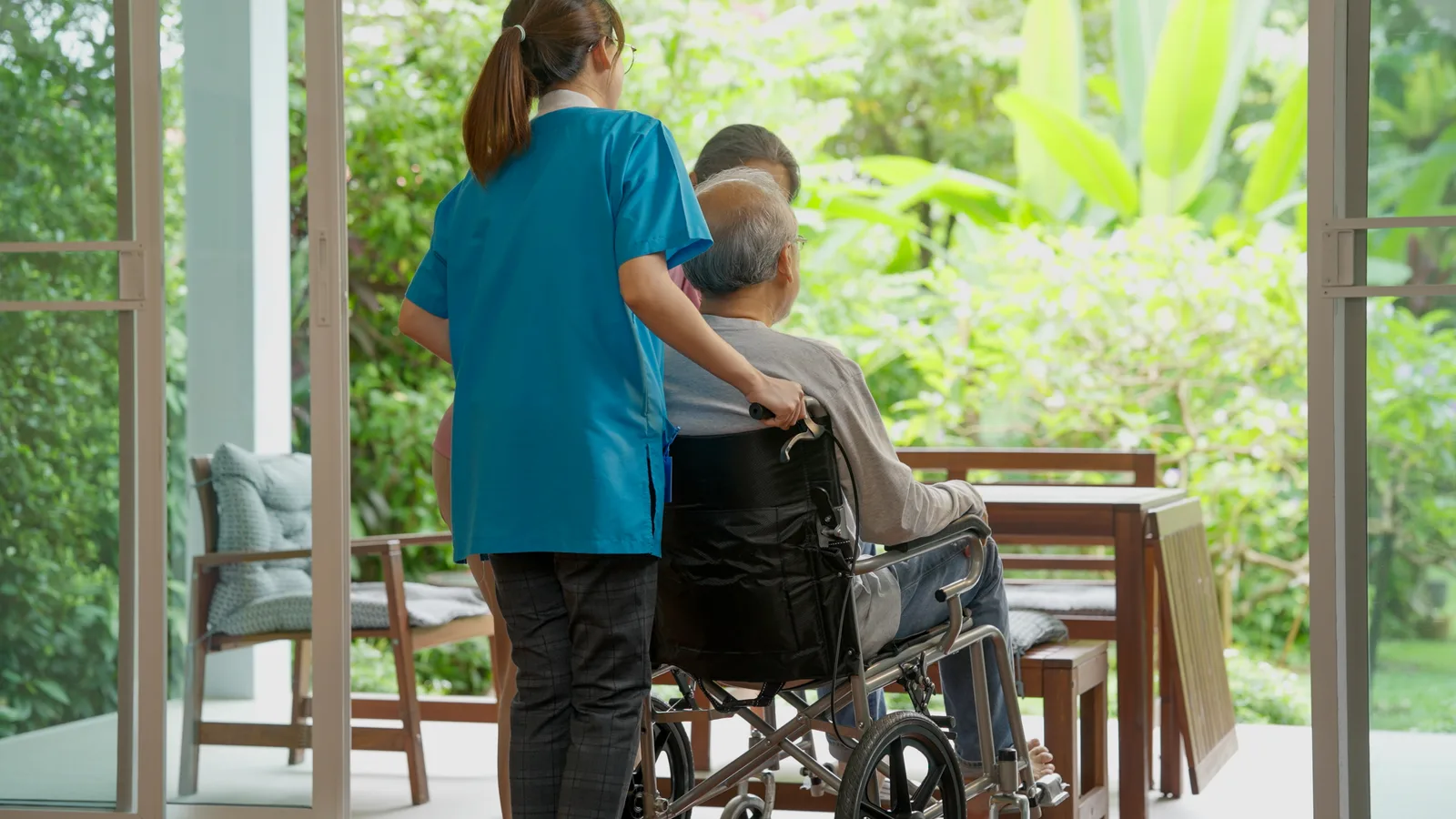
Home care means that the elderly person remains in their own home, receiving support from family members, hired carers or nurses, or a combination of both. This form of care can range from occasional visits for cleaning and meal preparation through to specialist medical assistance around the clock.
Many seniors prefer to age in their own familiar surroundings, surrounded by memories and the possessions that have marked their lives. The sense of independence and continuity that one's own home provides is invaluable from an emotional standpoint and contributes significantly to psychological wellbeing.
Forms of home care
Home care can take several forms, depending on the senior's degree of autonomy:
- Occasional care – periodic visits for activities such as shopping, cleaning, and administering medication
- Partial care – a carer present for a few hours each day to assist with personal hygiene, meals, and accompanying the senior to medical appointments
- Continuous care – a nurse or carer present around the clock, required in cases of total dependency or advanced degenerative conditions
- Specialist medical care – medical equipment in the home, physiotherapy, advanced nursing
The advantages of home care
Home care offers clear benefits that make it the preferred choice for many seniors and their families, particularly in the early stages of losing independence. The familiar environment plays an important therapeutic role, reducing the anxiety and confusion that can arise in people with cognitive difficulties.
Daily routines remain largely unchanged, seniors can maintain certain habits, interact with familiar neighbours, and stay close to the community in which they have lived for years. For families, home care also means the opportunity to remain more involved in the day-to-day life of their parent or grandparent.
Key benefits of home care
- Emotional comfort – seniors remain in their familiar surroundings, with their cherished possessions and memories
- Personalised routine – the daily schedule can be fully adapted to individual preferences
- Individual attention – when a carer is employed, they are dedicated exclusively to one person
- Maximum privacy – private life is preserved in its entirety
- Social continuity – maintaining relationships with neighbours and the local community
The limitations and challenges of home care
Although idealised by many, home care comes with serious challenges that must be considered realistically. As medical needs intensify, the home may become inadequate from a safety standpoint – steep stairs, bathrooms without adaptations for people with limited mobility, and a lack of necessary medical equipment.
A frequently underestimated aspect is family exhaustion. Providing continuous care for a parent or grandparent is enormously demanding both physically and emotionally, particularly when it must be combined with work and one's own family responsibilities. Many families reach the point of burnout, which affects both the quality of care provided and the mental health of the carers themselves.
Major practical challenges
- Social isolation – seniors can become isolated, especially if their mobility is limited
- Unpredictable costs – home adaptations, medical equipment, qualified carers
- Lack of constant medical supervision – in the event of an emergency, response times may be longer
- Family exhaustion – carer burnout is a frequent reality and should not be underestimated
- Reduced safety – the risk of falls, household accidents, or missed medication
It must be acknowledged that not all homes are equipped to manage the intensive care required in cases of advanced dementia, severely limited mobility, or complex medical needs. In these situations, the family must invest significantly in adaptations or accept that they are taking on serious risks.
What a modern care home offers
Care homes for seniors have evolved considerably in recent years, transforming from impersonal institutions into environments that place emphasis on dignity, comfort, and personalised care. A modern care home offers far more than a bed and three meals a day – it provides a safe, medically supervised environment adapted to the specific needs of older people.
For example, căminul de bătrâni Marjean 2 in Brezoaele offers personalised care and a warm, safe environment for seniors, combining medical expertise with attention to the details that make a real difference to daily quality of life. Here, each resident benefits from an individualised care plan that takes into account their medical history, dietary preferences, and emotional needs.
Standard services in a quality care home
- Permanent medical supervision – a nurse or care assistant present 24/7
- Balanced nutrition – meals prepared in accordance with nutritional guidelines and adapted to special dietary requirements
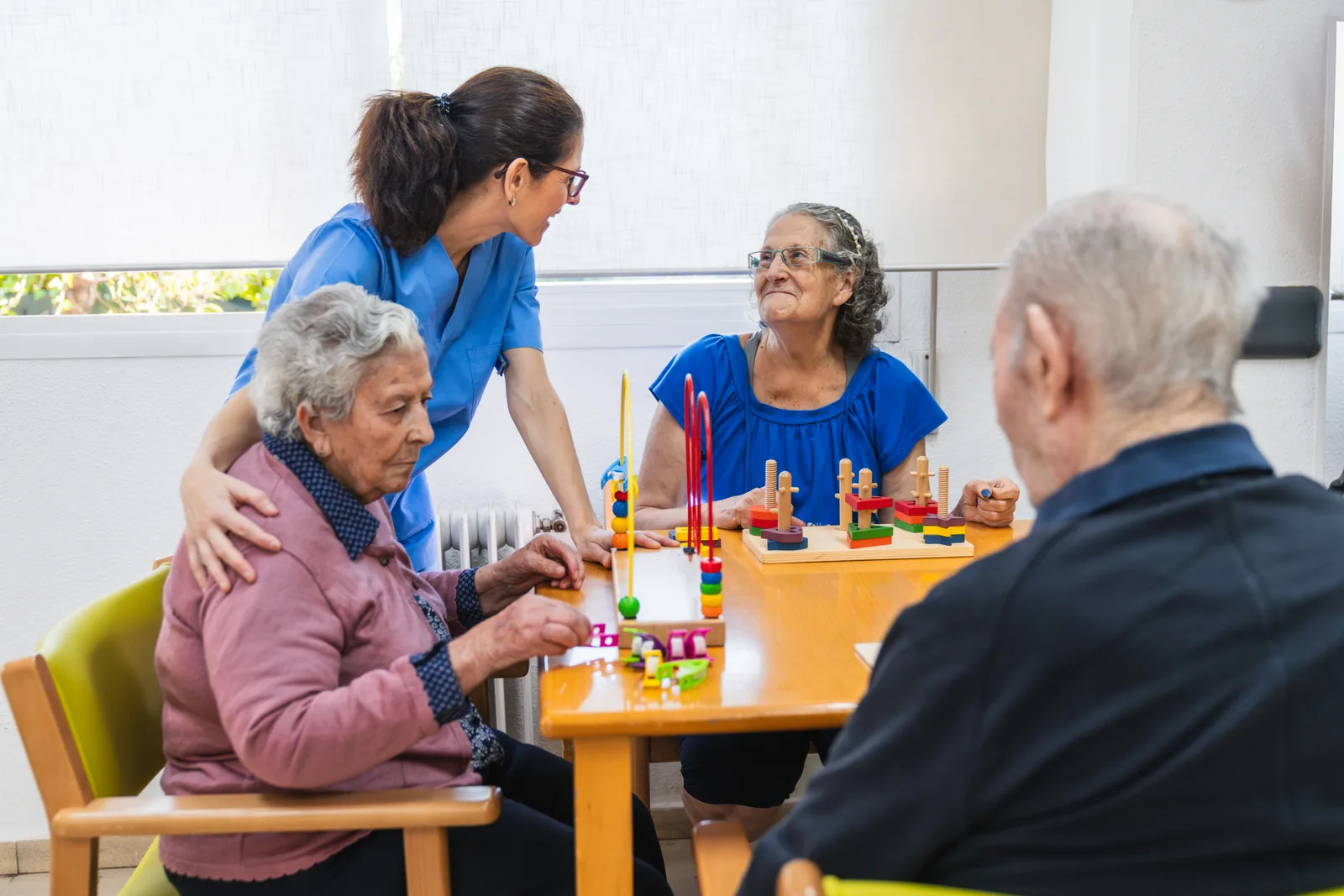
- Recreational activities – occupational therapy, socialisation, and adapted physical exercise
- Safe, adapted spaces – rooms free from architectural barriers, bathrooms equipped for safety
- Daily personal care – assistance with hygiene, dressing, and medication administration
- Physiotherapy programme – maintaining mobility and preventing complications associated with immobility
The benefits of a specialist environment for seniors
One of the greatest advantages of a specialist care home is constant security. Trained staff can respond immediately in the event of a medical emergency, can prevent accidents, and can ensure that medication is administered correctly – all critical considerations for seniors with multiple chronic conditions.
Socialisation is another essential and often underestimated benefit. Many seniors living alone at home suffer from severe isolation, which accelerates cognitive decline and leads to depression. In a care home, there are daily opportunities to interact with other residents, take part in communal activities, and maintain an active social life.
Benefits for the family
It should not be forgotten that choosing a suitable care home also brings significant benefits for the family. Loved ones can visit their parent knowing that they are being cared for professionally, can spend quality time together without the stress of nursing duties, and can avoid the emotional exhaustion that comes with long-term caregiving.
- Peace of mind – the assurance that their loved one is safe and receiving qualified care
- Quality time during visits – interactions become enjoyable rather than physically draining
- Personal balance – family members can maintain their own professional and personal commitments
- Professional expertise – access to counselling and specialists in geriatric care
Cost comparison: home care vs. care home
The financial aspect is inevitably a major consideration when making this decision. Costs vary considerably depending on the region of the country, the level of care required, and the desired quality standards. What is important is to compare all of the costs involved accurately, not just the obvious monthly fee.
For home care, costs include the salary of the carer or nurse, any necessary home adaptations, medical equipment, medication, food, and utilities. A qualified carer present eight hours a day can cost between 2,500 and 4,000 RON per month, whilst round-the-clock care can exceed 6,000–8,000 RON.
Home care costs
- Carer/nurse: 2,500–8,000 RON/month (depending on hours)
- Home adaptations (support rails, ramps, bathroom modifications): 3,000–15,000 RON (initial investment)
- Medical equipment (hospital bed, wheelchair, pressure-relief mattress): 2,000–10,000 RON
- Medication and medical consumables: 300–1,500 RON/month
- Utilities and food: 800–1,500 RON/month
Care home costs
Care home fees vary considerably, but generally include accommodation, full board, basic care, and medical supervision. Depending on the region and the standards offered, prices range between 1,800 and 5,000 RON per month, with additional services such as intensive physiotherapy or highly specialist medical care available at extra cost.
- Average fee for a mid-range care home: 2,000–3,500 RON/month (all-inclusive)
- High-standard care home with full services: 3,500–5,000 RON/month
- Additional specialist medical services: 200–800 RON/month
When calculating the true costs, also factor in the less visible aspects: the time family members spend on caregiving (which can affect their professional careers), the costs of transport to medical appointments, emotional wear and tear, and the health risks to the carers themselves.
Essential criteria for choosing the right option
The decision between home care and a care home should not be made on the basis of emotion or social pressure, but through a realistic assessment of several objective factors. Every situation is unique, and what works for one family may be entirely unsuitable for another.
The first step is a comprehensive medical assessment of the senior. Speak with their GP or a geriatrician about their current needs and the likely progression of their health. A senior with good mobility and few medical issues may benefit more from home care, whilst someone with advanced dementia or complex medical needs requires the constant supervision of a specialist environment.
Factors to consider
- State of health – the complexity of medical needs, risk of emergencies, mobility
- Safety of the home – whether the home can be adapted for maximum safety
- Family capacity – availability of time, physical and emotional resilience, caregiving skills
- Financial resources – a realistic long-term budget, not just for the first few months
- The senior's wishes – their expressed preferences, fears, and emotional needs
- Long-term outlook – how their needs are likely to evolve over the coming years
When home care works best
Home care is generally a viable option when seniors retain partial autonomy, when the family can offer consistent support or employ professional carers, and when the home can be adapted for safety. It is also preferable in the early stages of losing independence, when maintaining a familiar environment brings clear emotional benefits.
Signs that it is time for a change
Sometimes, even when a family is doing their best to maintain home care, clear signs emerge that this arrangement is no longer sustainable or safe. Recognising these signs in good time can prevent dangerous situations and ensure that the senior receives the care they truly need.
One of the most frequent signs is a deterioration in health despite caregiving efforts. If seniors are suffering repeated falls, not taking their medication correctly, or showing signs of malnutrition or poor hygiene, this indicates that the current level of care is insufficient.
Indicators that a specialist care home is becoming necessary
- Repeated safety incidents – falls, leaving the hob on, getting lost
- Severe social isolation – seniors no longer leave the house and have no social interaction
- Family exhaustion – carers showing signs of burnout, depression, or health problems
- Increasing medical needs – the need for constant monitoring and complex treatments
- Advanced cognitive decline – dementia requiring permanent supervision
- Inability to ensure continuous care – no resources available for round-the-clock caregiving
In such circumstances, a specialist care home such as căminul de bătrâni Marjean 2 in Brezoaele can provide the safe environment and personalised care that a complex situation demands. Moving to a care home does not mean abandonment or failure – it means honestly acknowledging the person's needs and ensuring they receive the best possible care.
How to make the transition easier
If you decide that a care home is the right option, involve the senior in the selection process as much as possible. Visit several locations together, discuss concerns openly, and make sure that the chosen place respects the dignity and preferences of your loved one. A gradual transition, with preliminary visits and an acclimatisation period, can dramatically reduce stress.
Frequently asked questions
How do I know if my parent is ready to move into a care home?
There is no "perfect" moment, but clear signs include the need for constant medical care, repeated safety incidents at home, severe social isolation, or family exhaustion. Speak openly with the senior and their doctor to make the most informed decision possible.
How much does a care home in Romania cost on average?
Fees range between 1,800 and 5,000 RON per month, depending on the region, standards, and services included. Care homes offering specialist care and high standards tend to sit at the upper end of this range, but generally include all necessary services.
Can I visit my parent whenever I wish in a care home?
Most modern care homes have flexible visiting arrangements, with many allowing daily visits during certain hours. Check the visiting policy before choosing a care home – it gives you important insight into the institution's philosophy.
Is home care cheaper than a care home?
Not necessarily. When you add up all the costs – a qualified carer, home adaptations, medical equipment, utilities, and food – full home care can exceed the cost of a care home. Make a realistic comparison of all long-term expenses.
What happens if my parent's health deteriorates whilst they are in a care home?
Quality care homes have clear protocols for medical situations and work in partnership with doctors and hospitals. Staff are trained to recognise signs of deterioration and to respond promptly. Discuss these protocols before admission.
How do I persuade my parent to accept help, whether at home or in a care home?
Approach the conversation with empathy, not pressure. Discuss concrete benefits – safety, socialisation, peace of mind for the family. Involve them in the decision, visit care homes together, or discuss options with potential carers. Respect their fears and give them time to come to terms with the idea.
Choosing between home care and a specialist care home is one of the most important decisions you will make for your loved one. There is no universally correct answer – there is only the choice that best respects the medical, emotional, and practical needs of the senior and their family. Assess your current situation honestly, anticipate future needs, and do not hesitate to seek specialist support during this difficult time.
If you are facing this decision and would like more information about the options available in your area, speak with geriatric specialists or visit care homes to see first-hand what they offer. Căminul de bătrâni Marjean 2 in Brezoaele is an example of an institution that places emphasis on personalised care within a safe and welcoming environment – it is well worth exploring such options in order to make the most informed decision possible.
This article is intended for informational purposes only and does not replace medical advice. For specific situations, please consult a geriatric specialist or your GP.
Previous
Stroke in the Elderly: What Families Need to Know in the First Few Days
Next
Parkinson's in Older Adults: A Family Guide to Symptoms, Progression and Care
Similar articles
Occupational Therapy at Home for the Elderly: A Complete Guide
11 October 2026
How to Manage Specialist Referrals for an Elderly Person with Multiple Chronic Conditions
10 October 2026
Telemedicine for the Elderly: How to Prepare for an Online Consultation
9 October 2026
Aphasia After Stroke: How to Communicate With an Elderly Person Who Can No Longer Speak Normally
8 October 2026
Preventing Pressure Sores: What Every Family Should Know
6 October 2026
Cognitive Stimulation for Elderly People with Dementia: Practical Home Exercises
6 October 2026