
Arctic Ground Squirrel, a Study Model for Future Emergency Treatments
The extreme hibernation of the arctic squirrel, with body temperatures dropping below zero degrees, is being studied to inspire treatments for heart attacks, strokes and brain injuries.
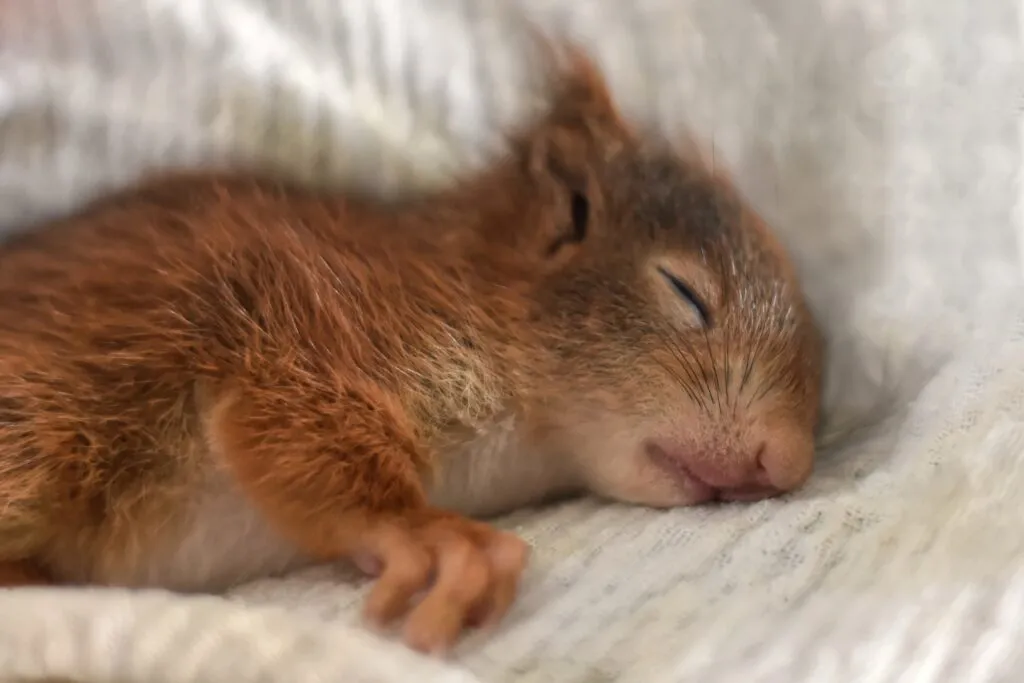
A species of squirrel from Arctic regions, capable of surviving extremely low body temperatures during hibernation, is attracting the attention of researchers who hope to apply this capability to emergency medicine for humans, according to the BBC.
The phenomenon is particularly relevant for families of elderly people, as the research focuses on precisely those critical situations common in older adults: heart attacks, strokes, and traumatic brain injuries.
How the Arctic squirrel hibernates
Towards the end of summer, the female Arctic squirrel feeds intensively on grasses, sedges, and leaves, then retreats into a burrow approximately one metre below ground, where it enters a deep winter sleep. For eight months, it remains there without food or water, waking only occasionally.
During this period, its body slows dramatically, dropping to just a few breaths and heartbeats per minute. Although the ground above it can reach -20°C, the squirrel manages to survive at remarkable body temperatures: its brain cools to 0°C, its abdomen to -2°C, and its hind limbs reach as low as -2.9°C — the lowest body temperature ever recorded in a living mammal.
Why researchers are interested in these animals
Arctic squirrels have been studied for over 50 years by scientists at the University of Alaska, Fairbanks. They appear to have an internal clock which, together with day length, signals when to hibernate: females begin in August, and males a few months later.
"Their physiology is simply so different," explains physiological ecologist Cory Williams, from Colorado State University. "At the same time, you can see how, if this trait could be harnessed and applied to humans, there could be a real practical function," he added.
Possible medical applications
If researchers were able to slow human metabolism in a similar way, doctors would gain valuable time in treating severe emergencies — heart attacks, strokes, and traumatic brain injuries. The technique could also induce controlled cooling to protect vital organs.
According to neurophysiologist Domenico Tupone, from Oregon Health and Science University, a slowed metabolism could also help preserve organs intended for transplantation for longer periods outside the body, as well as protecting oncology patients from the harmful effects of radiation, which generates dangerous by-products under conditions of normal metabolism.
The time gained through this method could be crucial particularly for patients who suffer medical emergencies far from hospitals, as well as for soldiers wounded on the battlefield. Furthermore, the research could contribute, in the distant future, to the development of suspended animation states for astronauts involved in long-duration space missions.
The molecule responsible and current challenges
Over ten years ago, researchers identified adenosine as a key factor triggering hibernation in Arctic squirrels. This is a naturally occurring molecule that accumulates in the human brain throughout the day and is thought to be responsible for the feeling of drowsiness in the evening — caffeine works precisely by blocking adenosine receptors in the body.
Translating this mechanism to humans presents practical difficulties, however: injecting adenosine-like substances directly into the brain would be too invasive for emergency situations, whilst administering adenosine intravenously could cause dangerous side effects, such as blood sugar fluctuations or even heart failure.
Researchers emphasise that the study is still in its early stages, but it already demonstrates how observing species with extreme physiological adaptations can open new avenues for improving human medical care.
Content paraphrased and adapted by SeniorHelp from verified public sources.
Original source: Mediafax →Previous article
Romania risks downgrade to junk status: pensions and salaries possibly frozen in 2027
Next article
Romania, EU leader in labour taxation: over 40% of salary goes to the state
Similar news

De ce ne simțim mai obosiți toamna: ce spun specialiștii
7 October 2026
Noduli tiroidieni: ce arată ecografia și când e nevoie de investigații suplimentare
6 October 2026

Winter Time and the Body: What Studies Show About Sleep, Energy and Health
5 October 2026
Recurring heartburn can be a sign of gastro-oesophageal reflux disease
5 October 2026

How to Choose the Right Pillow for Sleep. Signs That It Needs Replacing
3 October 2026

Japanese Monk Begins 12 Years of Total Isolation: What Science Says About the Effects of Loneliness
3 October 2026