
Three simple habits that can delay ageing after 50
Longevity specialist explains how cutting out late-night snacks, reducing alcohol consumption and combining different forms of exercise can slow cellular ageing.
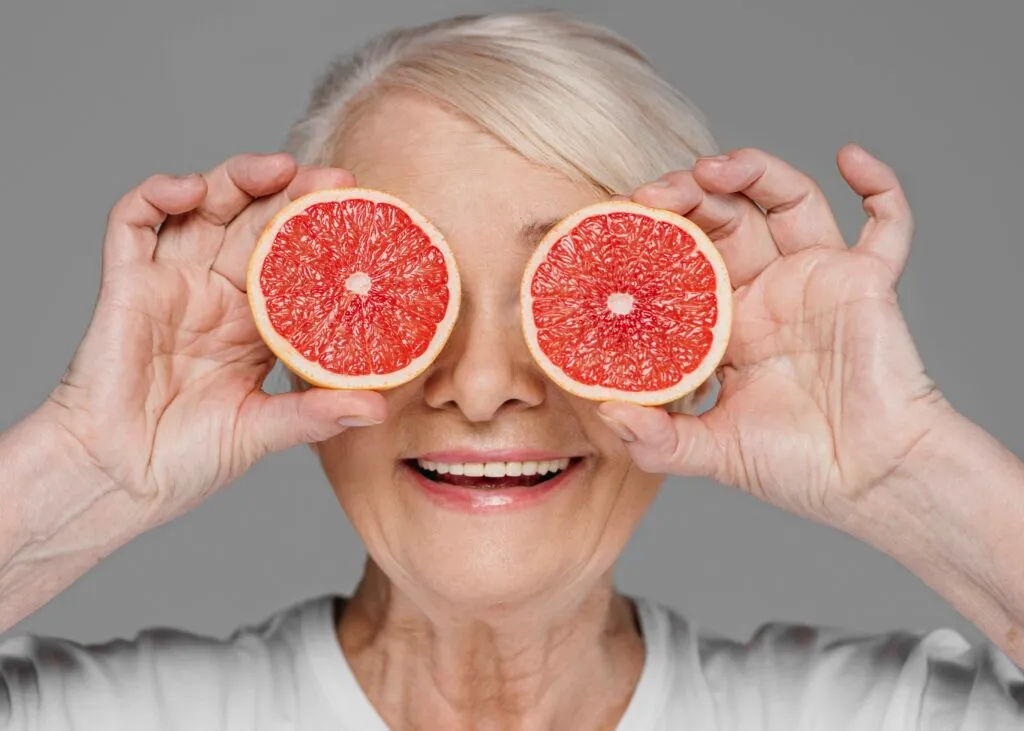
A longevity medicine specialist demonstrates that, whilst up to half of our lifespan is determined by genetics, the other half depends entirely on the choices we make each day. The process of cellular ageing begins as early as age 30, but can be slowed significantly through concrete lifestyle changes.
Research in the field of epigenetics shows that life experiences and daily habits can alter the way our genes express themselves, giving us genuine control over the ageing process. For seniors wishing to improve their quality of life, three simple adjustments can make all the difference.
Avoiding late-night meals
The first essential habit is cutting out food consumption in the 1–2 hours before bedtime. Many people are accustomed to having fruit, sweets or ice cream in the evening, but this practice disrupts deep sleep — the crucial phase during which the body repairs damaged cells.
Without quality sleep, metabolism deteriorates, the immune system weakens, and cellular regeneration processes are compromised. For older adults, who already face natural changes in sleep patterns, this aspect becomes even more important.
Moderate alcohol consumption
The second element involves reducing alcohol intake through a simple strategy: alternating alcoholic drinks with still water. This method allows for an automatic halving of the amount consumed, without any additional effort.
Alcohol raises blood glucose levels and causes blood sugar fluctuations during sleep, disrupting overnight recovery processes. To monitor these effects, specialists recommend the use of a continuous glucose monitor, a device that is becoming increasingly accessible.
Comprehensive physical exercise
The third pillar consists of a balanced fitness routine combining weight training, cardiovascular exercise, and intensive HIIT sessions. The ideal programme includes three one-hour sessions per week, incorporating rowing machine exercises and sprints.
This combination aims to improve key longevity indicators, including VO2 max, considered one of the best long-term predictors of cardiovascular health. For seniors, maintaining muscle mass and cardiovascular capacity becomes crucial for independence and quality of life.
Specialists emphasise that ageing-related changes occur at the cellular level from as early as age 30, and early intervention can have dramatic effects on long-term health. The sooner these habits are adopted and consistently maintained, the more pronounced the benefits for longevity and quality of life.
Content paraphrased and adapted by SeniorHelp from verified public sources.
Original source: Mediafax →Previous article
Inflation Figures Explained: What Pensioners Need to Know About Purchasing Power
Next article
Digital Platforms Accused of Exposing Seniors to Financial Fraud
Similar news
Osteodensitometria DXA: cum se evaluează densitatea osoasă și riscul de fractură
13 October 2026
Inflamația cronică poate afecta inima înainte de simptome, arată un studiu pe 488.000 de persoane
13 October 2026

Hepatitis A in Constanța: 23 outbreaks, 130 cases, under DSP monitoring
12 October 2026
 Foto ilustrativă
GPs warn: flu vaccination should not be delayed
11 October 2026

GPs recommend flu vaccination before the epidemic spreads
11 October 2026
Depression in the elderly, mistaken for ageing: what signs to look out for
11 October 2026