
Toxoplasmosis, the parasite affecting one third of the world's population, can lead to loss of vision
Toxoplasma gondii infects approximately one third of the global population. Researchers warn that it can cause irreversible vision loss and are calling for greater attention from the WHO.
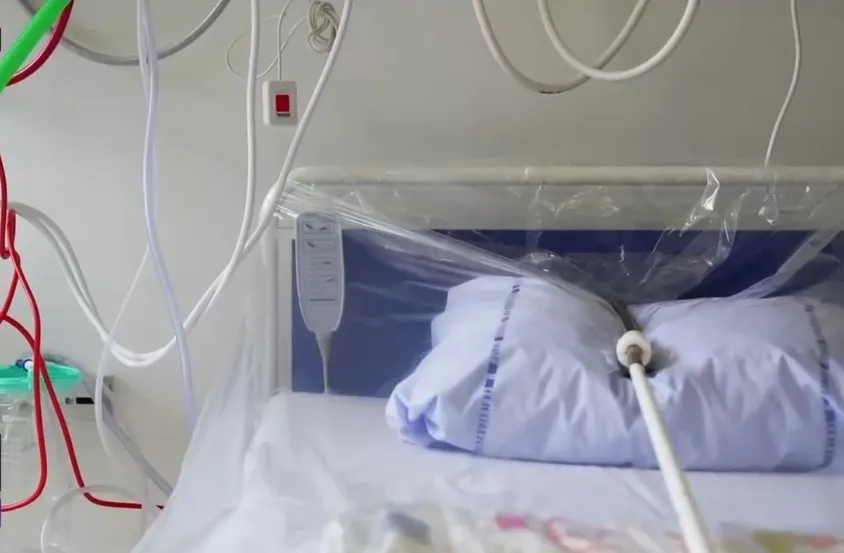
 Foto ilustrativă
An extremely widespread parasite, estimated to affect around one third of the world's population, continues to be underestimated as a health threat, despite being capable of causing serious and irreversible damage to eyesight. The culprit is Toxoplasma gondii, the organism responsible for toxoplasmosis, according to research cited by ScienceAlert.
In most cases, the infection goes unnoticed, with no visible symptoms. Nevertheless, specialists warn that ocular toxoplasmosis is the most common intraocular infection in the world and one of the leading infectious causes of vision loss.
Dr Justine Smith, an ophthalmologist and vision science researcher at Flinders University in Australia, argues that the disease does not receive the attention it deserves in international health policy: "Toxoplasmosis is a major cause of eye infection and an important cause of vision loss worldwide, yet it receives limited attention on global health agendas." She believes that including the disease among the World Health Organisation's priorities could lead to better prevention and treatment strategies.
How the parasite is transmitted
The most common route of infection is the consumption of raw or undercooked meat containing parasite cysts. Contamination can also occur through contact with eggs shed in cat faeces — during litter box cleaning or via contaminated soil and food.
Another significant transmission route is during pregnancy, when the infection can pass from mother to foetus through the placenta, with potentially serious consequences including miscarriage, congenital abnormalities, or other severe complications.
Dr João Furtado, a researcher at the University of São Paulo, emphasises: "Toxoplasmosis is often considered inevitable, but it has well-known transmission routes and can be prevented and controlled."
An understudied disease
An international team of researchers believes that toxoplasmosis meets the criteria for inclusion on the list of neglected tropical diseases — conditions found predominantly in poor and tropical regions that can be prevented and controlled, but for which investment in research and treatment remains insufficient.
The disease is more prevalent in South America and in communities with limited resources and restricted access to healthcare. There is currently no vaccine against toxoplasmosis, nor any internationally standardised treatment protocol.
According to the data cited, approximately 190,000 children are born each year with congenital toxoplasmosis, the majority of them in vulnerable areas where sanitary conditions and access to medical care are inadequate.
Researchers believe that the number of cases and the severity of complications could be reduced through practical public health measures: improved food safety, access to clean water and sanitation, and the expansion of antenatal care programmes. "These impacts could be reduced through practical public health measures, such as improved food safety, clean water, sanitation, and better access to prenatal care," Dr João Furtado added.
Content paraphrased and adapted by SeniorHelp from verified public sources.
Original source: Realitatea →Previous article
Medical records, consultations and prescriptions, available on your phone through a new platform
Next article
Do You Wake Up Frequently at Night to Urinate? Here's What a Urologist Has to Say
Similar news

Microplastics in tap water can be reduced through boiling and filtering, a study shows
16 October 2026

Over 350,000 doses of flu vaccine to arrive in pharmacies next week
16 October 2026
First influenza-related death of this season confirmed by INSP: unvaccinated man from Cluj
16 October 2026

Partial Nephrectomy: The Operation That Treats Kidney Tumours and Preserves the Kidney
16 October 2026

Time spent in nature could improve one's relationship with food, a British study suggests
16 October 2026

What a liver operation involves: preparation and recovery
15 October 2026