
Normal blood pressure by age group: why it rises in older adults
Guide on normal blood pressure values by age, the reasons for its increase in older adults, and when to seek medical advice.
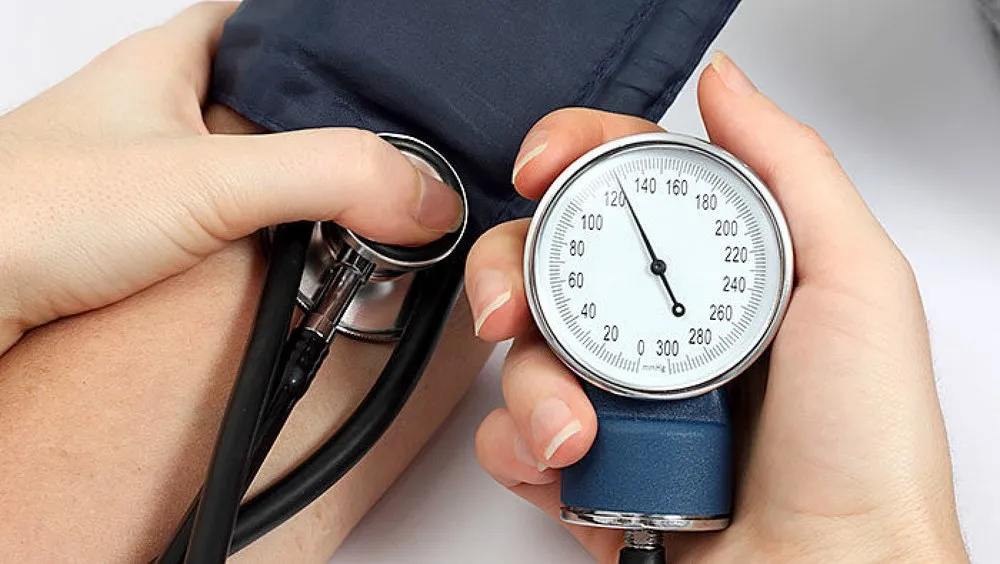
Blood pressure changes as we age, and higher values seen in older adults do not necessarily indicate illness. Blood vessels become stiffer with age, and the heart must work harder to pump blood. However, blood pressure that is too high or too low can increase the risk of heart attack, stroke, or other complications.
Blood pressure is the force with which blood flows through the vessels and is expressed as two numbers: systolic pressure (the first value), which shows the pressure at the moment the heart contracts, and diastolic pressure (the second value), which indicates the pressure between heartbeats. For most adults, a value below 120/80 mmHg is considered normal, but blood pressure can rise gradually with age due to the body's natural changes.
Indicative values by age group
There is no single "ideal" value for each age group, and doctors use the same general thresholds for diagnosing hypertension in adults. Nevertheless, averages increase with age. As a guide:
- Ages 20–35: approximately 110–116/70–73 mmHg
- Ages 36–45: approximately 112–117/73–75 mmHg
- Ages 46–55: approximately 122–124/74–79 mmHg
- Ages 56–65: approximately 130–133/77–79 mmHg
After the age of 65, blood pressure may continue to rise, particularly the systolic value. In many older adults, a higher reading is related to arterial stiffening and does not automatically constitute an emergency, but it should be monitored.
According to the medical guidelines cited, a blood pressure of 130/80 mmHg or higher is considered hypertension. A value below 90/60 mmHg may indicate hypotension, especially if dizziness, fainting, or weakness occurs, according to the American Heart Association.
Why blood pressure rises with age
The primary reason is the change in blood vessel structure: young arteries are elastic and dilate easily, but with age the walls become stiffer. This stiffening increases the pressure exerted with each contraction of the heart, which is why systolic pressure in particular rises in older adults.
Another factor is the decline in oestrogen levels after the menopause — a hormone involved in maintaining vascular elasticity — which may contribute to hypertension in post-menopausal women.
Beyond age, lifestyle matters: a diet high in salt, physical inactivity, excess weight, chronic stress, and high alcohol consumption can all contribute to elevated blood pressure readings, according to the Mayo Clinic.
Why hypertension is more common in older adults
In addition to arterial stiffening, ageing can affect the way the kidneys regulate the body's salt and water balance — a mechanism that directly influences blood pressure. The likelihood of developing associated conditions such as diabetes, kidney disease, or cholesterol build-up on arterial walls also increases with age.
Hypertension is often called the "silent killer" because it can progress for years without visible symptoms, gradually affecting the heart, brain, kidneys, and eyes. Elevated and untreated blood pressure can lead to myocardial infarction, stroke, heart failure, chronic kidney disease, vision problems, or cognitive impairment.
Factors that can raise blood pressure
A high salt intake causes the body to retain water, increasing blood volume and the pressure on vessels. A diet based on processed foods, saturated fats, and sugar can also promote hypertension.
Regular physical activity helps the heart pump blood more efficiently and supports a healthy weight. The general recommendation for adults is approximately 150 minutes of moderate physical activity per week — such as brisk walking, cycling, or swimming.
Prolonged stress also plays a role: during stressful periods, the body releases hormones that temporarily raise blood pressure, and chronic stress can encourage unhealthy habits such as a poor diet or excessive alcohol consumption.
How to measure blood pressure correctly at home
A single measurement does not always give an accurate picture, as blood pressure varies depending on the time of day, emotions, physical activity, or coffee consumption.
For an accurate reading, it is recommended to sit quietly for at least five minutes beforehand, with your back supported, feet flat on the floor, and your arm positioned at heart level. You should avoid smoking, drinking coffee, and physical exertion for approximately 30 minutes before measuring. Doctors often recommend two consecutive readings taken a few minutes apart, and regular monitoring is particularly important for people with risk factors or those already diagnosed with hypertension.
When to seek medical advice
An occasional high reading does not automatically mean hypertension, but if blood pressure is frequently above recommended limits, a medical assessment is necessary. You should seek prompt medical attention if symptoms such as chest pain, difficulty breathing, severe dizziness, fainting, visual disturbances, sudden weakness, or numbness occur.
In older adults, the goal is not to achieve values identical to those of a young adult, but to keep blood pressure within a safe range suited to the individual's overall health and their doctor's recommendations. Normal blood pressure by age should be viewed as a reference point rather than a rigid rule, and the most important thing is for readings to be monitored consistently and interpreted within the context of overall health.
Content paraphrased and adapted by SeniorHelp from verified public sources.
Original source: Adevărul →Previous article
Dehydration in Heatwave Conditions: Warning Signs, How Much Water You Need and Mistakes to Avoid
Next article
SANITAS Announces General Strike on 28 July: Hospitals to Lose Thousands of Beds and Tens of Thousands of Positions
Similar news

Ultra-processed foods linked to hidden damage to blood vessels in the brain
25 October 2026

Neighbourhoods with green spaces associated with lower dementia risk, Swedish study shows
25 October 2026

Study on 460,000 people: not all ultra-processed foods increase the risk of colon cancer
25 October 2026

Grapefruit can dangerously interfere with blood pressure and cholesterol medications
25 October 2026
Enlarged prostate: researchers have discovered a cell type that could explain the phenomenon
25 October 2026

Thyroid Scintigraphy: the investigation that shows how active the thyroid gland is
23 October 2026