
Matcha, coffee and tea can reduce iron absorption from food
Tannins in tea, coffee, and matcha can block up to 60% of iron absorption when consumed with meals. Waiting an hour and taking vitamin C can help.
 Foto ilustrativă
Matcha, coffee, and tea do not remove iron that is already present in the body, but they can inhibit its absorption when consumed during meals. The culprit is tannins — compounds that bind to iron directly in the intestine and can reduce its absorption by up to 60%.
The good news is that, for a healthy person, an occasional coffee or cup of tea will not lead to anaemia. The problem arises primarily when these drinks are consumed right at mealtimes and when the person is already in a vulnerable situation: anaemia, pregnancy, or a vegetarian diet.
What can be done
- It is sufficient to leave an hour's gap between a meal and consuming coffee, tea, or matcha — there is no need to give them up entirely.
- At the same time, vitamin C has the opposite effect: it increases iron absorption. Foods such as lemon, tomatoes, or peppers added to your plate can counteract this effect.
The recommendation, therefore, is that matcha, coffee, or tea should be consumed at an appropriate interval from mealtimes, rather than being eliminated from the diet altogether.
Content paraphrased and adapted by SeniorHelp from verified public sources.
Original source: Realitatea →Previous article
Talking to yourself out loud: what psychologists say about this habit
Next article
Elderly people in Romania's deserted villages, between hunger and hardship: "I can go to bed without eating"
Similar news

Thyroid Scintigraphy: the investigation that shows how active the thyroid gland is
23 October 2026
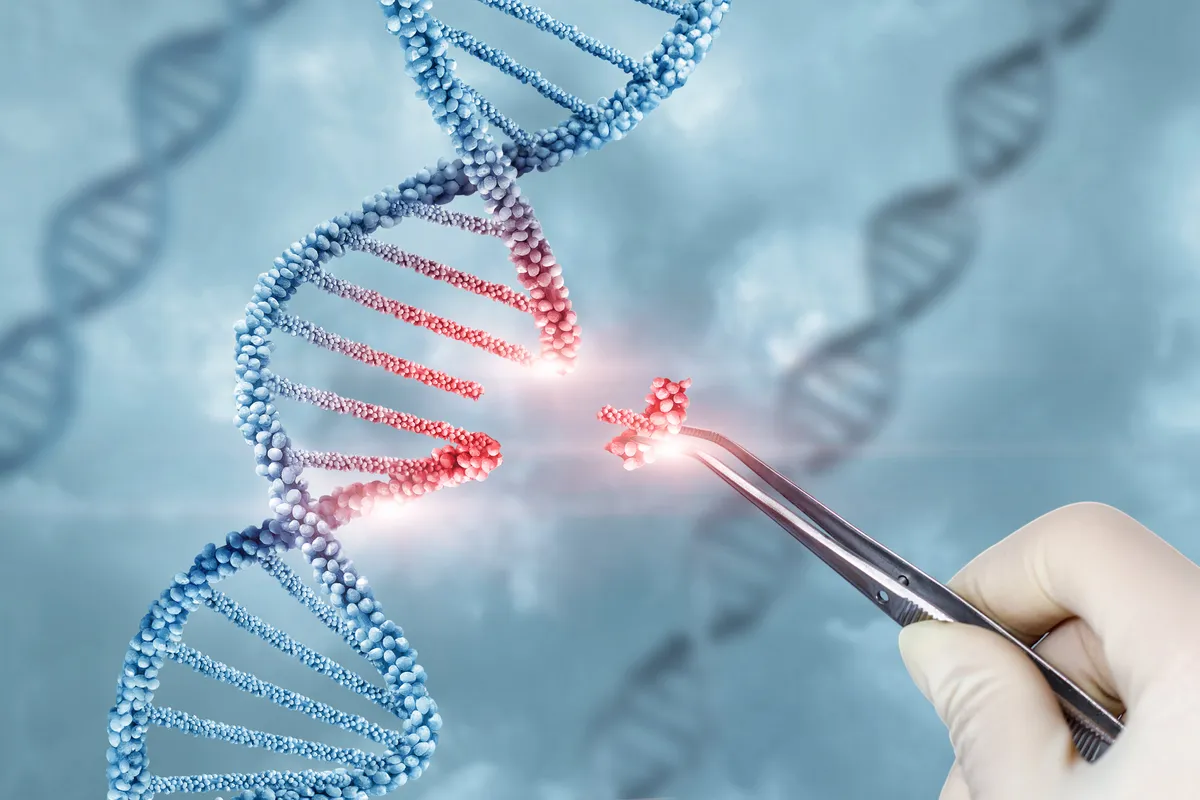
Medical breakthrough: researchers have edited DNA directly inside the body of a patient with Wilson's disease
23 October 2026

Warning Signs of Breast Cancer Beyond the Lump: What Should Send You to the Doctor
22 October 2026
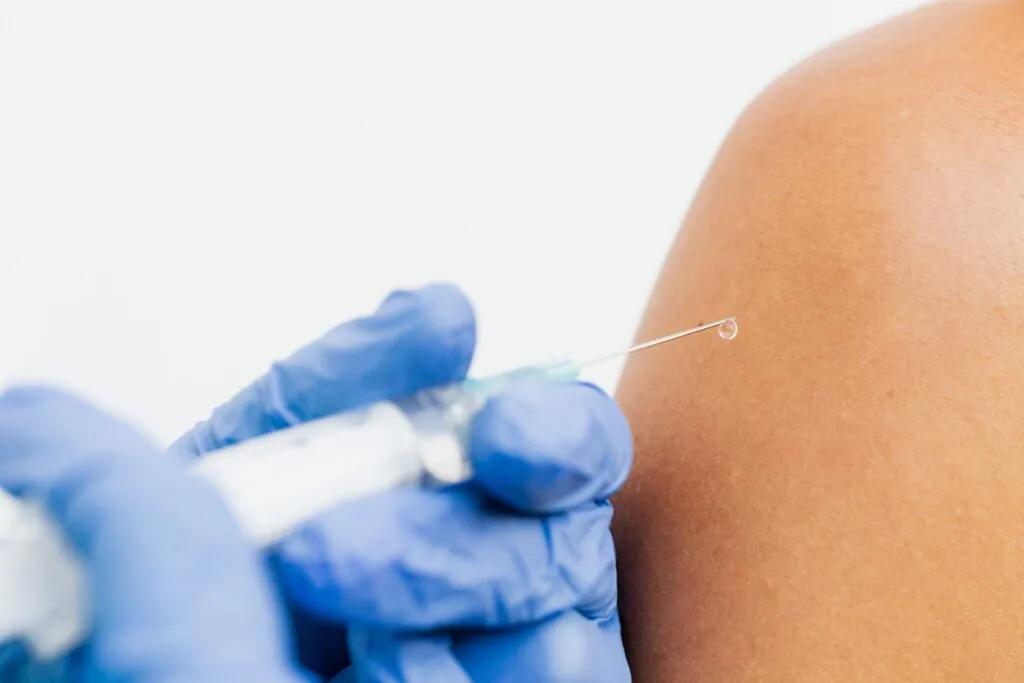
What to eat and drink before your flu jab, according to doctors
22 October 2026

Endoscopic Polypectomy: How It Prevents Colorectal Cancer
22 October 2026
 Foto ilustrativă
How to Drain Bile When the Bile Ducts Are Blocked
22 October 2026