
Dehydration in Heatwave Conditions: Warning Signs, How Much Water You Need and Mistakes to Avoid
A GP explains the golden rule of hydration during a heatwave, the first signs of dehydration, and how prevention differs between children and adults.
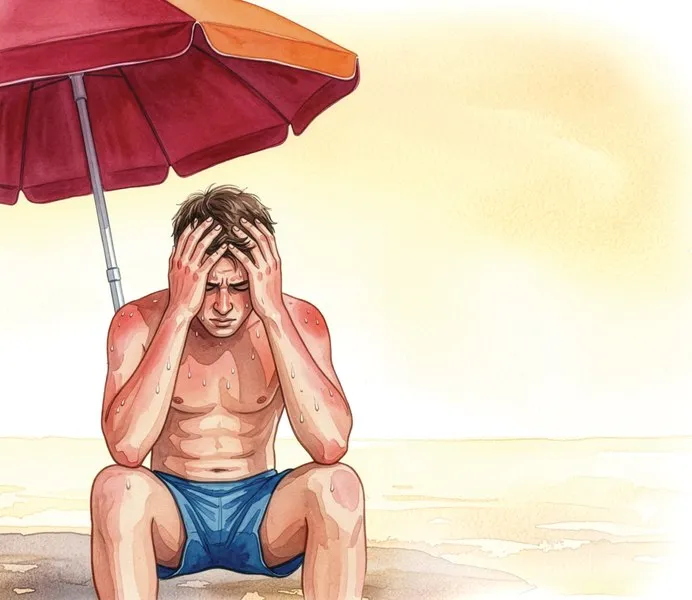
Summer brings with it a common but largely preventable risk: dehydration. Dr Carmen Fleșeriu, a specialist in Family Medicine and Medical Director of the "Regina Maria" Hospital in Constanța, explained in an interview for "Weekend Adevărul" how we can prevent this and what signs to watch out for.
Don't wait until you're thirsty
According to the doctor, many people mistakenly believe that if they don't feel thirsty, they are sufficiently hydrated. In reality, the sensation of thirst only occurs after the body has already begun to dehydrate. "The golden rule in preventing dehydration is not to wait until we're thirsty before drinking water," says Dr Fleșeriu. Her recommendation is to maintain a steady fluid intake throughout the day, totalling between 2 and 3 litres, depending on body weight and physical exertion.
The doctor advises avoiding alcohol, highly caffeinated drinks, and very sugary soft drinks, as these promote the loss of water from the body. Foods with a high water content – such as watermelon, cucumbers, and tomatoes – also help to maintain hydration.
Age significantly influences hydration needs: as we get older, the sense of thirst becomes less acute, meaning elderly people take longer to respond to the need for fluids, or rely on those around them to notice it.
The first signs of dehydration
Dr Fleșeriu explains that the body sends clear signals, graduated according to severity. The first symptoms are a dry mouth, unexplained fatigue, headaches, and mild dizziness. A simple indicator to monitor is the colour of urine: a pale yellow, almost transparent colour indicates good hydration, whilst a darker colour means water should be drunk immediately. In more advanced stages, muscle cramps, an elevated heart rate, and confusion may appear – at which point the situation becomes a medical emergency.
Special attention to children, depending on age
In children, prevention largely depends on parental vigilance, as young children do not signal their need for fluids in time. The doctor recommends that for children over one year of age, water should be offered consistently, every 30 to 40 minutes, even if they say they are not thirsty.
For infants under 6 months, the rule is different: they do not need additional water, but should be breastfed or formula-fed more frequently, on demand, as milk provides all the hydration they need. For babies who have started weaning, water and water-rich fruits such as watermelon can be gradually introduced.
In infants, signs of dehydration constitute an emergency, and parents should watch for: a sunken fontanelle (soft spot on the head), absence of tears when crying, dry mouth and tongue, and a dry nappy for more than 3 to 4 hours. The baby may become unusually drowsy or, conversely, very irritable.
In older children, in addition to a dry mouth and dark-coloured urine, a lack of energy, apathy, or complaints of stomach aches and headaches may appear. The doctor recommends that if these signs occur, fluids should be offered gradually and the paediatrician contacted.
Specialists recommend vigilance from the earliest stages, when the child is still alert and playing, but their body is already losing more fluids than it is taking in: increased thirst, a slightly dry or sticky mouth, and darker urine are the first signals, well before a sunken fontanelle or excessive drowsiness appear.
What to do when dehydration worsens
If signs of dehydration appear in a child, oral rehydration salts can be used whilst awaiting medical assessment, administered gently, in small and frequent amounts. If the child's condition does not improve, medical consultation is necessary. The doctor warns of a vicious cycle: dehydration, as it worsens, can cause fever, and fever in turn exacerbates dehydration.
An important point for parents: in cases of dehydration caused by vomiting or diarrhoea, sports drinks are not a suitable alternative to oral rehydration salts. These are formulated to replace losses through perspiration during physical exertion, not those caused by vomiting and diarrhoea; they often contain too much sugar – which can worsen diarrhoea – and do not have the correct electrolyte profile for this type of dehydration.
Content paraphrased and adapted by SeniorHelp from verified public sources.
Original source: Adevărul →Previous article
We're living longer, but not necessarily healthier, a global study shows
Next article
Normal blood pressure by age group: why it rises in older adults
Similar news
Ultra-processed foods linked to hidden damage to blood vessels in the brain
25 October 2026

Neighbourhoods with green spaces associated with lower dementia risk, Swedish study shows
25 October 2026

Study on 460,000 people: not all ultra-processed foods increase the risk of colon cancer
25 October 2026

Grapefruit can dangerously interfere with blood pressure and cholesterol medications
25 October 2026
Enlarged prostate: researchers have discovered a cell type that could explain the phenomenon
25 October 2026

Thyroid Scintigraphy: the investigation that shows how active the thyroid gland is
23 October 2026