
Telerehabilitation in Romania: remote medical recovery, potentially reimbursed by the state
The Chamber of Deputies has passed a bill allowing medical rehabilitation through digital means, with the possibility of reimbursement through health insurance.
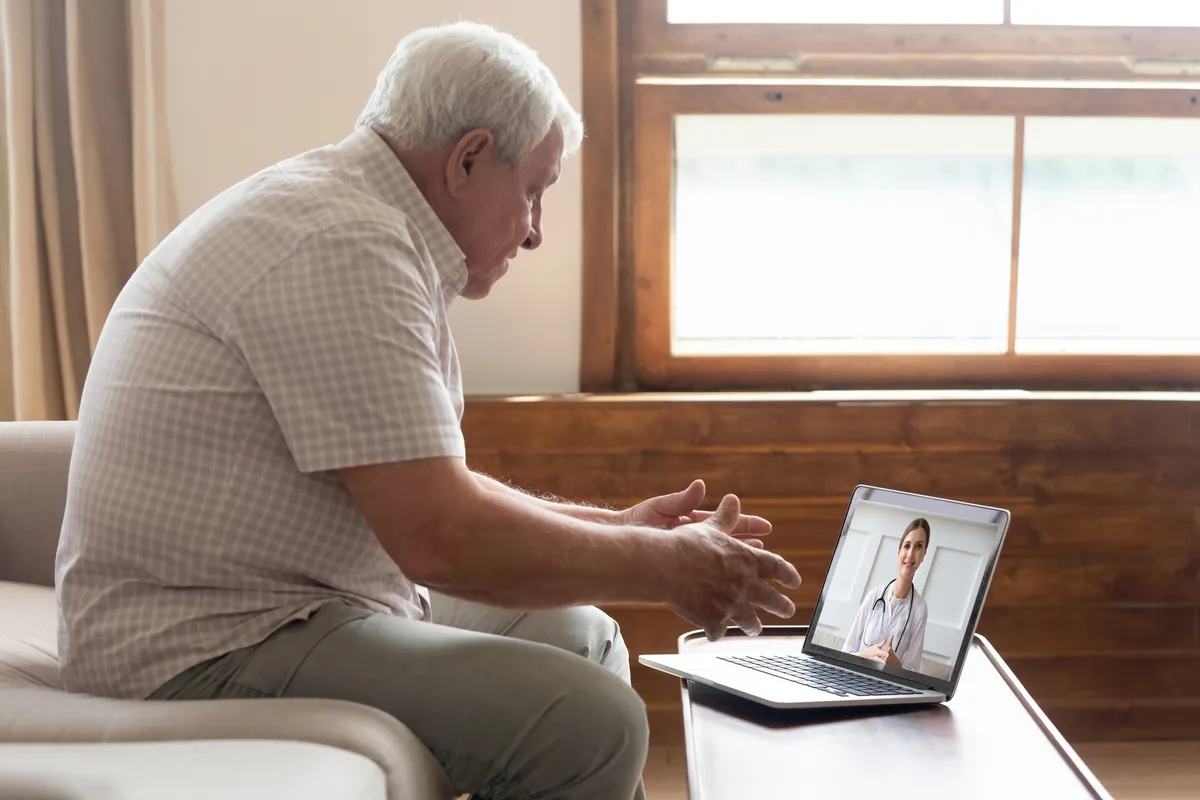
What the new telerehabilitation law provides
The Chamber of Deputies has adopted a bill that officially introduces telerehabilitation into Romanian healthcare legislation. Under this law, patients recovering from surgery, accidents, or neurological conditions will be able to access medical rehabilitation services delivered remotely, via digital platforms and devices.
What telerehabilitation means in practice
Telerehabilitation means that specialist doctors, physiotherapists, and other healthcare professionals can monitor and guide patients through their recovery process without them needing to be physically present at a clinic or hospital. Recovery sessions, therapeutic exercises, and periodic assessments can all be carried out via video connections and dedicated applications, from the comfort of the patient's own home.
A major benefit for older adults and the elderly
For elderly people, this law could represent an important step forward. Seniors recovering from a stroke, a hip fracture, or orthopaedic surgery, or those living with conditions such as Parkinson's disease or degenerative neurological disorders, often face significant difficulties in travelling regularly to rehabilitation centres. Telerehabilitation would remove this barrier, providing access to specialist therapy directly at home.
Clear responsibilities for medical staff
The law also establishes a clear framework regarding the responsibilities of medical personnel involved in delivering these remote services. It regulates the conditions under which services may be provided, the quality standards that must be met, and the obligations of healthcare professionals towards patients in the digital environment.
The possibility of reimbursement through the Health Insurance Fund
A key aspect of this legislation is the possibility of including telerehabilitation services within the package of state-reimbursed medical services. Should this provision be implemented, seniors and pensioners on modest incomes would be able to access remote medical rehabilitation at no additional cost, under the same conditions as traditional services provided in clinics.
Promulgation and implementing regulations to follow
The bill adopted by the Chamber of Deputies must still complete the necessary steps before promulgation. Its real impact on patients will also depend on the development of methodological implementing regulations, which will set out in concrete detail how telerehabilitation services are to be integrated into the healthcare system and reimbursed through social insurance.
Content paraphrased and adapted by SeniorHelp from verified public sources.
Original source: Digi24 →Previous article
Osteoporosis: why bone density is not the only important indicator for seniors
Next article
Foods recommended by rheumatologists for reducing inflammation in autoimmune diseases
Similar news

Microplastics in tap water can be reduced through boiling and filtering, a study shows
16 October 2026

Over 350,000 doses of flu vaccine to arrive in pharmacies next week
16 October 2026
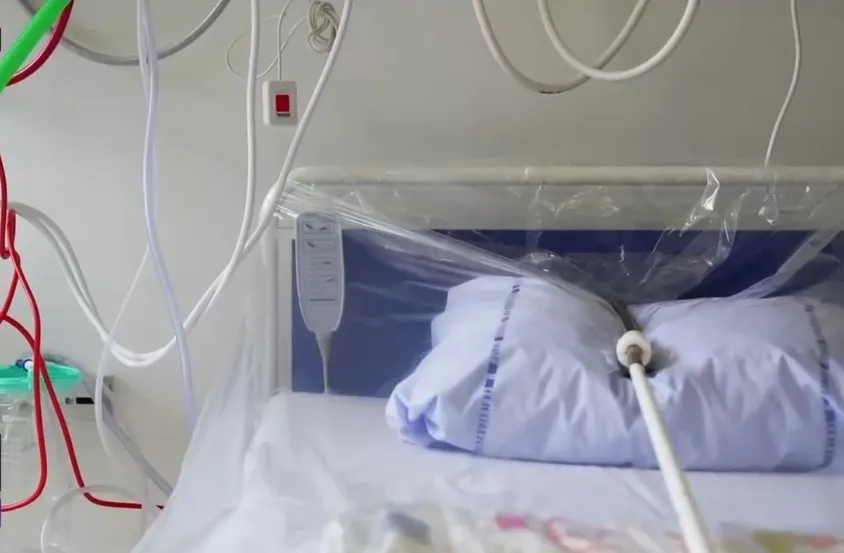
First influenza-related death of this season confirmed by INSP: unvaccinated man from Cluj
16 October 2026
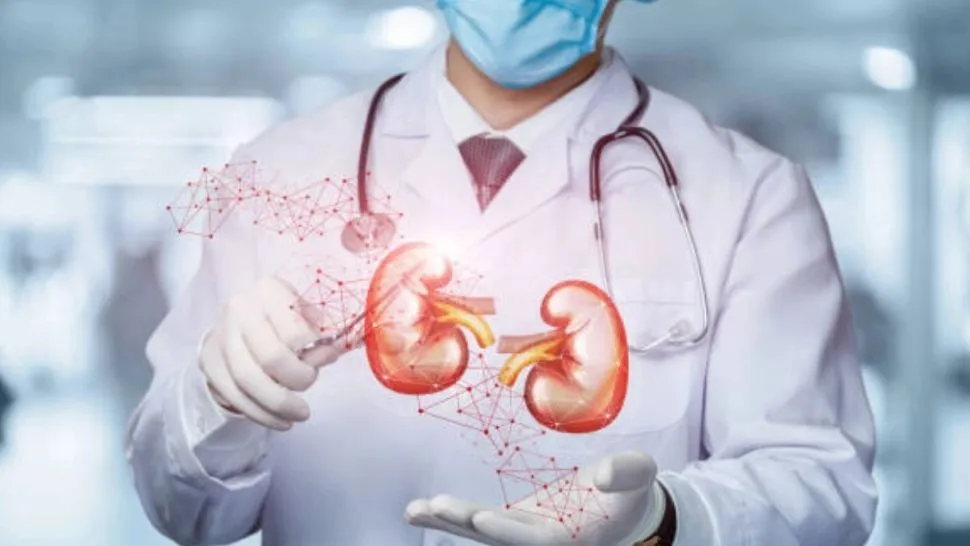
Partial Nephrectomy: The Operation That Treats Kidney Tumours and Preserves the Kidney
16 October 2026

Time spent in nature could improve one's relationship with food, a British study suggests
16 October 2026
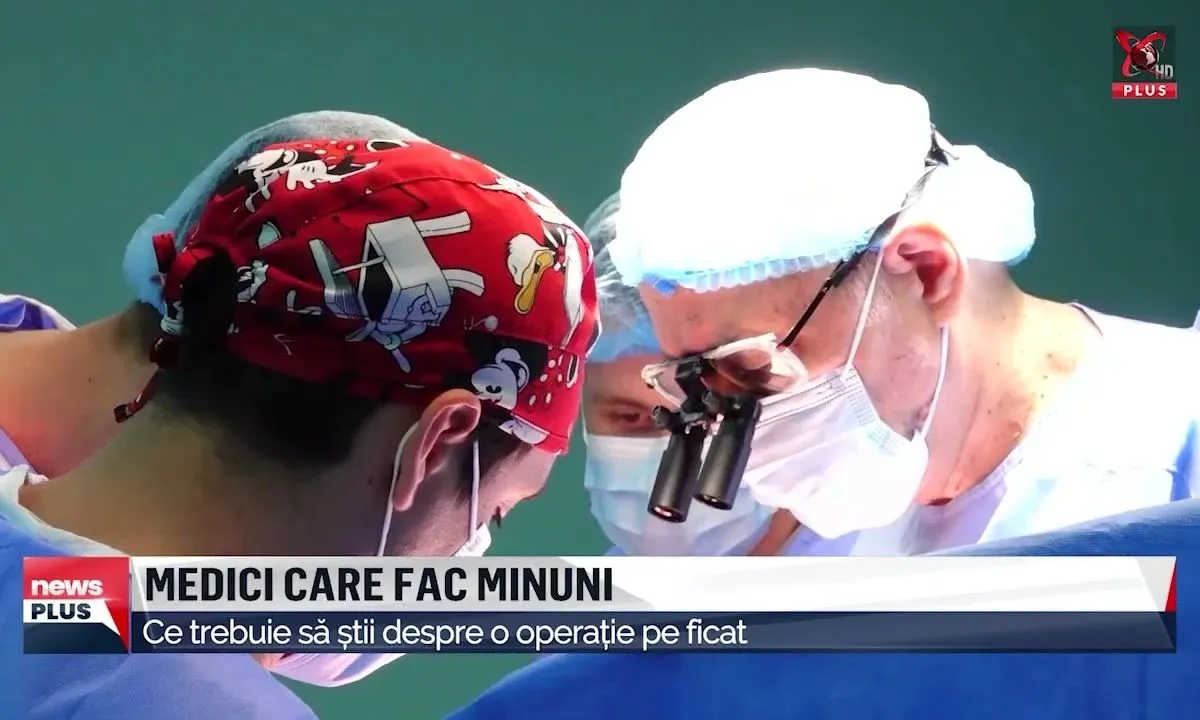
What a liver operation involves: preparation and recovery
15 October 2026