
Study: Sugar in natural juices affects blood glucose levels differently in older adults
Research by CSIC demonstrates that 100% fruit juices have a different metabolic impact compared to industrially processed drinks, with implications for diabetes in elderly people.
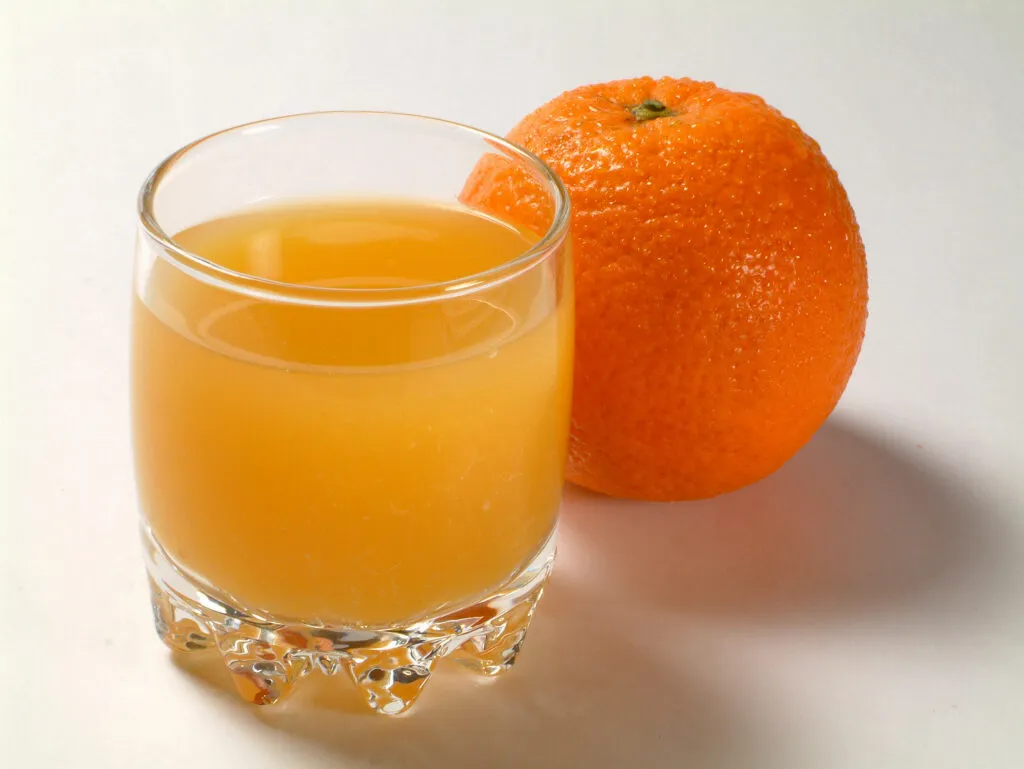
A recent study conducted by the Spanish National Research Council (CSIC) sheds important light on how different types of sugar affect blood glucose levels, with particular implications for the health of older adults living with diabetes or prediabetes.
The study, published in the journal Food and Function, examined the metabolic behaviour of sugar found in 100% natural juices compared to that in industrially produced soft drinks, uncovering significant differences in how sugar is absorbed and its impact on blood glucose levels.
Methodology and findings
Researchers tested four types of drinks containing the same amount of sugar (25 grams): 100% orange juice, a blend containing 50% juice, a drink with added sugars, and a glucose solution in water. Participants who consumed the natural juice showed lower blood glucose levels as early as 15 minutes after consumption, compared to those who drank industrially produced beverages.
The peak blood glucose level was considerably lower in the case of natural juice, demonstrating that the fruit's natural matrix alters the rate at which sugar is absorbed. This is particularly relevant for older adults with diabetes, who must carefully monitor fluctuations in their blood glucose levels.
Underlying biological mechanisms
The metabolic differences are attributable to the presence of polyphenols found in oranges, such as hesperidin and narirutin, which interfere with the glucose transporters SGLT1 and GLUT2. These proteins facilitate the entry of sugar into the bloodstream, and polyphenols partially slow this process by competing with glucose.
In addition, the minerals naturally present in juice — potassium, magnesium, and calcium — play a role in regulating the transport of glucose to the muscles and adipose tissue. For older adults, this natural regulation may be beneficial in managing diabetes and metabolic syndrome.
Individual variability and implications for older adults
The study identified two types of metabolic response: individuals with a "high response" who experience large glucose spikes, and those with a "low response" who exhibit moderate levels. In the first group, 100% orange juice considerably reduced glycaemic peaks compared to industrially produced sugary drinks.
This finding suggests that nutritional recommendations for older adults should be tailored to individual metabolic responses, particularly for those with type 2 diabetes or insulin resistance.
Limitations and future directions
Although promising, the research was conducted exclusively on young, healthy men, meaning further studies are needed to assess the effects in older populations. Older adults often have an altered metabolism and multiple comorbidities that may influence their response to sugar.
For older adults with diabetes or prediabetes, these findings suggest that moderate consumption of 100% natural juices may be less harmful than industrially produced drinks; however, consulting a nutritionist remains essential for personalised recommendations.
Content paraphrased and adapted by SeniorHelp from verified public sources.
Original source: Mediafax →Previous article
Short videos can impair memory and learning ability in older adults
Next article
Medical innovations for seniors: European startups develop technologies for elderly healthcare
Similar news

He Survived Colon Cancer Three Times. He Hid the First Sign for Years
13 October 2026

DXA Osteodensitometry: how bone density and fracture risk are assessed
13 October 2026
Chronic inflammation can damage the heart before symptoms appear, shows a study of 488,000 people
13 October 2026

Hepatitis A in Constanța: 23 outbreaks, 130 cases, under DSP monitoring
12 October 2026
 Foto ilustrativă
GPs warn: flu vaccination should not be delayed
11 October 2026

GPs recommend flu vaccination before the epidemic spreads
11 October 2026