
Study: Older adults regain weight within 2 years of stopping weight-loss injections
Researchers warn that seniors who discontinue injectable GLP-1 treatments rapidly regain the weight they have lost.
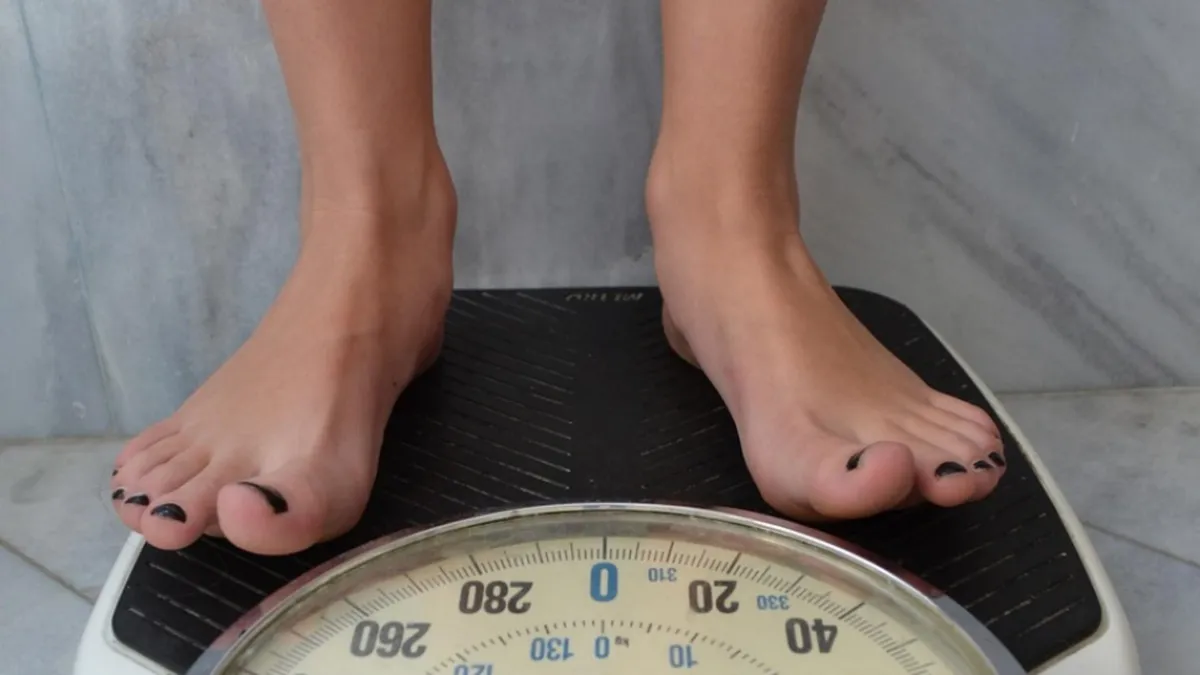
A recent study by the University of Oxford warns that people who stop injectable weight-loss treatments regain the lost weight rapidly — typically within less than two years. This can be particularly problematic for older adults, who need weight stability for optimal health.
The research focused on medications from the GLP-1 receptor agonist class, compounds originally developed to treat type 2 diabetes. These drugs work by mimicking a natural hormone that produces a feeling of fullness, causing people to eat less.
The study analysed data from 37 previous research trials, covering information on 9,341 individuals. Participants had undergone treatment for an average of 39 weeks and were subsequently monitored for approximately 32 additional weeks.
The findings are concerning: after stopping treatment, body weight increased by roughly 0.4 kilograms per month. This rate of regain meant that participants returned to their original weight in just 1.7 years from discontinuing the medication.
During the active treatment period, those included in the study lost an average of 8.3 kilograms. However, in the first year after stopping the injections, they regained nearly 5 kilograms — a significant proportion of the weight they had lost.
Of particular concern for older adults is that this weight regain proved to be nearly four times faster than with traditional weight-loss methods, such as controlled diets or exercise programmes.
For seniors dealing with mobility issues or chronic illness, such rapid weight fluctuation can have serious consequences for their overall health and quality of life.
Content paraphrased and adapted by SeniorHelp from verified public sources.
Original source: Realitatea →Previous article
Daily Exercises for Preserving Memory and Brain Health in Older Adults
Next article
Drastic tax hikes: pensioners among those hardest hit by new property taxes
Similar news

Flu vaccine 2026-2027: what's new, doses for the elderly and who receives it free of charge
30 September 2026

Why the multidisciplinary team matters in treating heart disease
29 September 2026

Cardiac problems: when to see a doctor and what treatments are available
29 September 2026

What is the "Heart Team" and why is a team-based cardiac evaluation important
29 September 2026

European Commission Proposes Free Screening for Cholesterol and Blood Pressure
29 September 2026

Study: loneliness and social isolation can reduce disease-free life by 6 years
29 September 2026