
Study: high blood pressure may accelerate cartilage deterioration in osteoarthritis
Researchers from South Korea have found a link between hypertension and osteoarthritis, mediated by the hormone vasopressin, based on data from over 36,000 individuals and experiments conducted on mice.
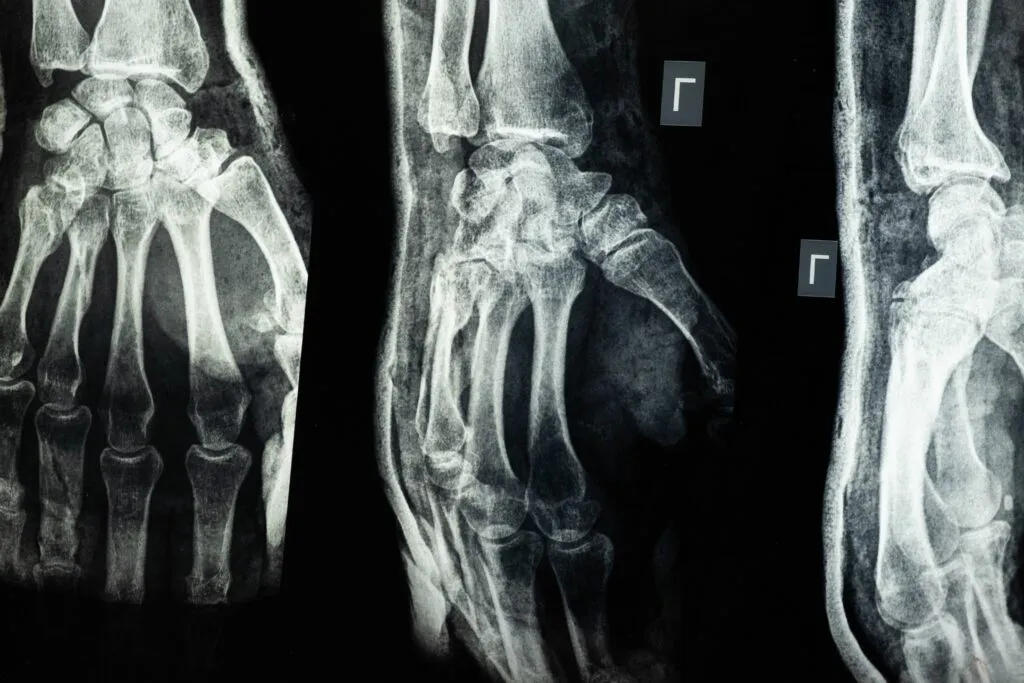
A study conducted by researchers at Chonnam National University in South Korea suggests that high blood pressure may directly contribute to the onset and progression of osteoarthritis, beyond its well-known effects on the heart and blood vessels, according to Science Alert.
Osteoarthritis is traditionally associated with the progressive wear of cartilage – the tissue that protects joint surfaces and allows bones to move smoothly. As cartilage deteriorates, bones begin to rub against one another, causing pain, stiffness, and reduced mobility. It is one of the leading causes of disability in older adults and currently affects nearly 600 million people worldwide, with case numbers continuing to rise.
The role of a hormone called vasopressin
The researchers focused on the hormone arginine vasopressin (AVP), which is present in higher quantities in people with high blood pressure. This hormone acts via the AVPR1A receptor, found on the surface of cells. In healthy cartilage, this receptor exists in very small amounts, but its presence can increase with age or following a joint injury.
According to the researchers, this change could "prime" the cartilage for the effects of vasopressin. When blood pressure is elevated, signalling through AVP and AVPR1A may activate processes that break down cartilage tissue.
Data from over 36,000 people and experiments on mice
To test this link, the researchers analysed medical data from 36,820 individuals aged at least 45. Those with high blood pressure were more likely to have osteoarthritis, with the association being stronger in women and more pronounced in those with severe knee damage.
The team then used genetically modified mice bred to develop high blood pressure, which were also subjected to surgical procedures that mimicked osteoarthritis. Animals with high blood pressure showed greater cartilage loss in the affected joints. Importantly, high blood pressure had no effect on healthy joints – the mechanism was only activated when high blood pressure was combined with a joint injury or age-related joint changes.
A potential target for future treatments
To confirm the role of the AVPR1A receptor, the researchers used mice lacking this receptor, as well as drugs that blocked its activity. In both cases, cartilage degradation was reduced. Subsequent experiments on cartilage cells revealed the mechanisms by which vasopressin can trigger harmful processes in joint tissue.
The finding could open a new avenue for treatments targeting osteoarthritis associated with high blood pressure; however, the researchers stress that further studies are needed to confirm whether the mechanism identified in mice operates in the same way in humans. An important next step would be conducting long-term studies in humans that simultaneously monitor blood pressure and the progression of cartilage deterioration.
Content paraphrased and adapted by SeniorHelp from verified public sources.
Original source: Mediafax →Previous article
Genetic testing for breast cancer: who is it recommended for and what do the results show
Next article
Eating with company is better for blood sugar levels than dining alone, study shows
Similar news

Microplastics in tap water can be reduced through boiling and filtering, a study shows
16 October 2026
Over 350,000 doses of flu vaccine to arrive in pharmacies next week
16 October 2026

First influenza-related death of this season confirmed by INSP: unvaccinated man from Cluj
16 October 2026

Partial Nephrectomy: The Operation That Treats Kidney Tumours and Preserves the Kidney
16 October 2026

Time spent in nature could improve one's relationship with food, a British study suggests
16 October 2026

What a liver operation involves: preparation and recovery
15 October 2026