
Study: The Brain Can Still Improve Even After 90 Through Simple Exercises
Research conducted on nearly 4,000 adults demonstrates that brain health can be improved at any age through daily training sessions of just 5–15 minutes.
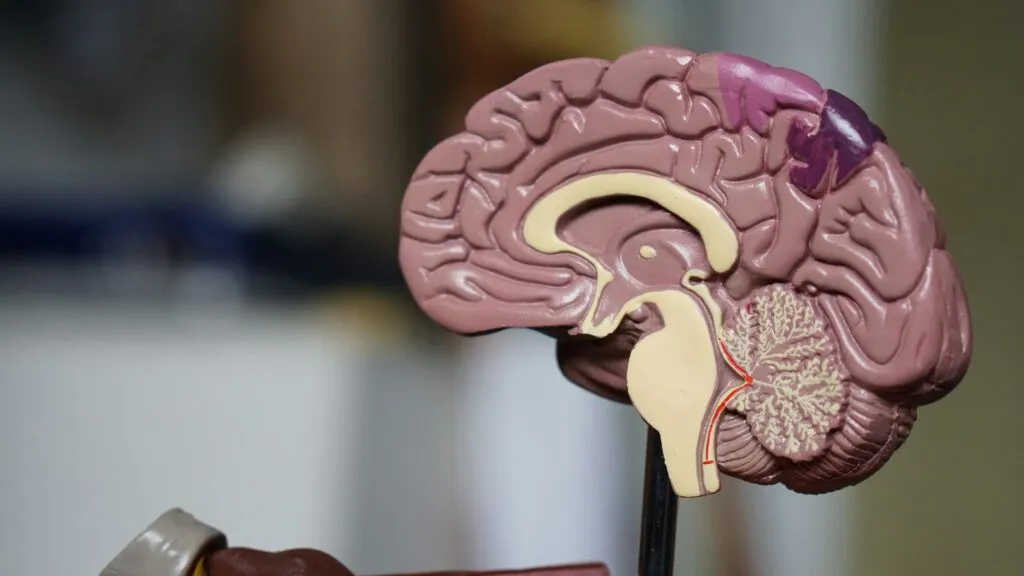
Recent research conducted by the University of Texas at Dallas demonstrates that ageing does not inevitably lead to a loss of mental capacity. The study offers hope to older adults, showing that cognitive functions can be improved even at advanced ages.
The research followed 3,966 adults aged between 19 and 94 over three years. Participants completed short cognitive training exercises requiring just 5–15 minutes per day — a minimal time investment with remarkable results.
How brain health is measured
To assess progress, the team used the BrainHealth Index (BHI), an innovative tool that measures three fundamental aspects: mental clarity, emotional balance, and the ability to connect with others and with personal goals. This assessment includes approximately 20 indicators, ranging from sleep quality to levels of happiness.
"This study challenges the notion that cognitive decline is inevitable and suggests that brain health can be proactively cultivated at any age," explains Dr Lori Cook, the study's lead author.
Encouraging results for older adults
The findings are particularly encouraging for elderly individuals — positive changes were observed even in participants aged over 80. Most notably, those who started with the lowest scores recorded the greatest improvements, suggesting that it is never too late to begin.
"For too long we have operated under the assumption that we must wait for something to go wrong with our brain before taking action," emphasises Dr Sandra Bond Chapman. "Our brain is not defined by age, but by possibility."
Engagement makes the difference
The most important factor for success proved to be active engagement with the exercises, rather than age, sex, or level of education. This finding suggests that motivation and consistency are more important than demographic factors when it comes to improving cognitive function.
The study continues to collect long-term data, including over 1,200 brain scans, in order to better understand the neurological mechanisms behind cognitive improvement in older adults.
Content paraphrased and adapted by SeniorHelp from verified public sources.
Original source: Mediafax →Previous article
Unified Pay Law Delayed – Impact on the Pension System and Services for Seniors
Next article
Pension indexation subject to budget assessment and European consultations
Similar news
 Foto ilustrativă
Vaccinul gripal gratuit în 2026: cine beneficiază și când e recomandat să te imunizezi
26 September 2026

Peripheral Arteriography: the investigation that reveals blockages in the arteries of the legs and arms
25 September 2026

Socola Study: 6 in 10 Romanians Quickly Forget Essential Details. When Should We Be Concerned
25 September 2026

Palpitations, high blood pressure, chest pain: when you need a cardiologist
24 September 2026

Radiotherapy in the treatment of lung cancer: when and how it is used
24 September 2026

Aerophagia: when bloating and belching come from swallowed air, not from food
23 September 2026