
Thermal shock from air conditioning: a major risk for elderly people on sweltering days
A cardiologist warns that sudden temperature differences between the outdoors and cooled spaces can be just as dangerous as the heatwave itself, especially for elderly people.
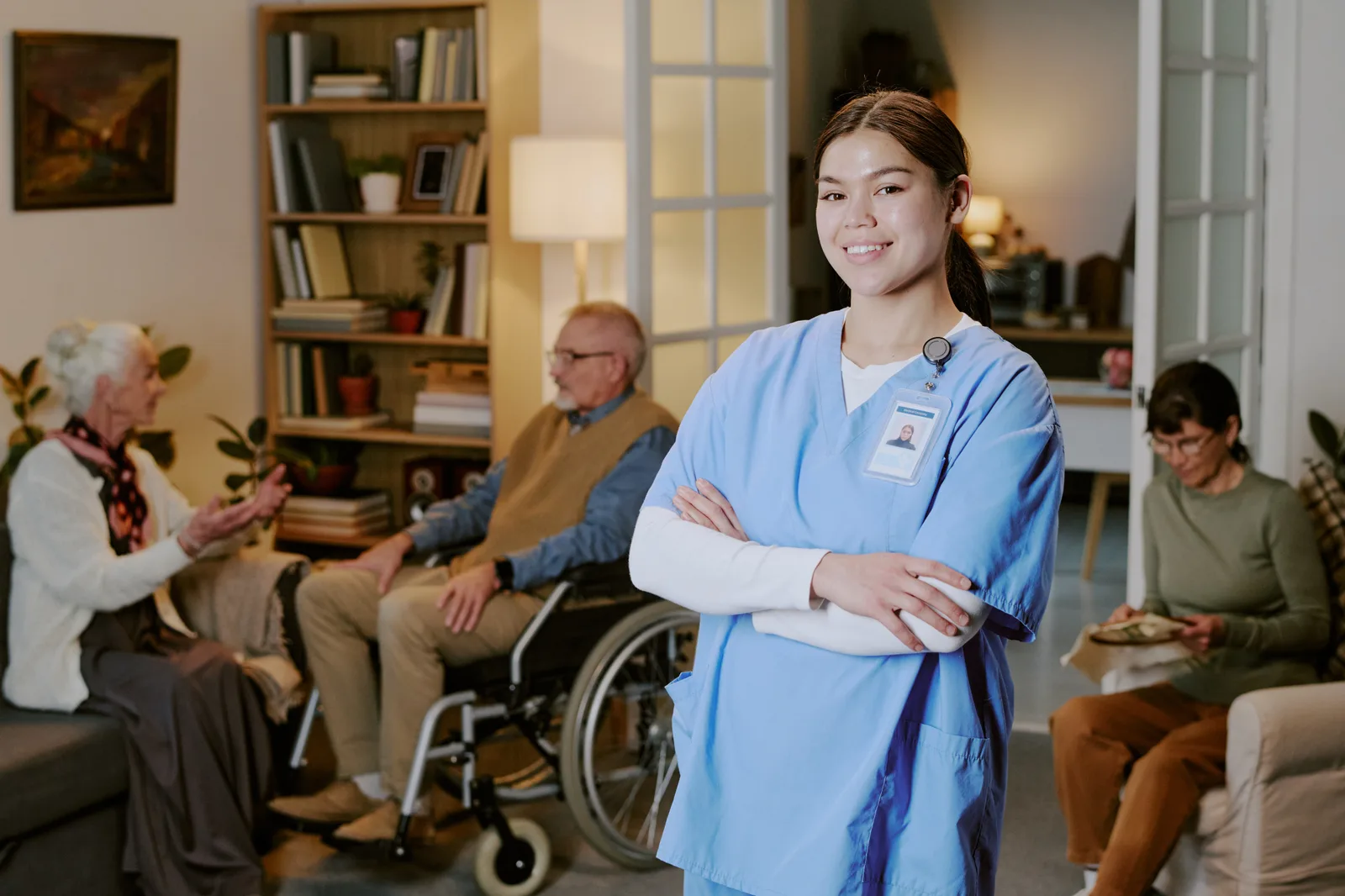 Foto ilustrativă
Heatwaves conceal a lesser-known danger
During a heatwave, the threat to health comes not only from high outdoor temperatures, but also from the sudden transition between the exterior heat and the artificially cooled air inside homes, offices, or cars. Medical specialists warn that this phenomenon, known as thermal shock, can have serious consequences, particularly for elderly people.
What is thermal shock and why does it affect older people more
Thermal shock occurs when the body is subjected to rapid and extreme temperature fluctuations. The human body, and especially that of older individuals, cannot adapt quickly enough to these sudden changes. The cardiovascular system is the first to be affected, as blood vessels contract or dilate abruptly, placing additional strain on the heart.
Elderly people are far more vulnerable to these fluctuations, as the body's natural thermoregulation mechanisms weaken with advancing age. Pre-existing cardiovascular conditions, high blood pressure, or diabetes significantly amplify the risks associated with thermal shock.
Symptoms to watch out for
Signs that may indicate thermal shock include dizziness, headaches, sudden weakness, palpitations, breathing difficulties, or even loss of consciousness. Should any of these symptoms appear, it is essential that the elderly person be moved to a shaded area or a temperate space, and that emergency medical assistance be sought immediately.
Practical recommendations for seniors during heatwave periods
- Avoid moving suddenly from outdoor heat into heavily air-conditioned spaces
- Set the air conditioning to a temperature no more than 7–8 degrees lower than the outdoor temperature
- Stay hydrated consistently, even if you do not feel thirsty
- Avoid going outdoors between 11:00 and 17:00, when temperatures reach their daily peak
- Wear lightweight, light-coloured clothing, and use hats or sun parasols
- If you live alone, inform a neighbour or family member on days of extreme heat
The message from specialists to family members and carers
Doctors recommend that those caring for seniors at home or in residential centres pay particular attention to how they manage the temperature in living spaces. Sudden and excessive cooling of rooms can be just as harmful as prolonged exposure to heat. Monitoring the health of elderly people during heatwave periods and maintaining regular contact with their GP are essential measures for preventing serious complications.
Content paraphrased and adapted by SeniorHelp from verified public sources.
Original source: Realitatea →Previous article
Private pension funds grew by 33% in the first quarter of 2026
Next article
Pensioners lose money monthly due to the lack of pension indexation with the inflation rate
Similar news
What a liver operation involves: preparation and recovery
15 October 2026
Cardiac MRI: the investigation that provides detailed images of the heart
15 October 2026
Chronic insomnia linked to higher risk of stroke, dementia and hospitalisation, shows study of 1.3 million people
14 October 2026
He Survived Colon Cancer Three Times. He Hid the First Sign for Years
13 October 2026
DXA Osteodensitometry: how bone density and fracture risk are assessed
13 October 2026
Chronic inflammation can damage the heart before symptoms appear, shows a study of 488,000 people
13 October 2026