
Symptoms of thyroid conditions: what an endocrinologist says
A specialist endocrinologist explains the symptoms of hypo- and hyperthyroidism, their causes, and how perfumes and cosmetics can affect thyroid function.
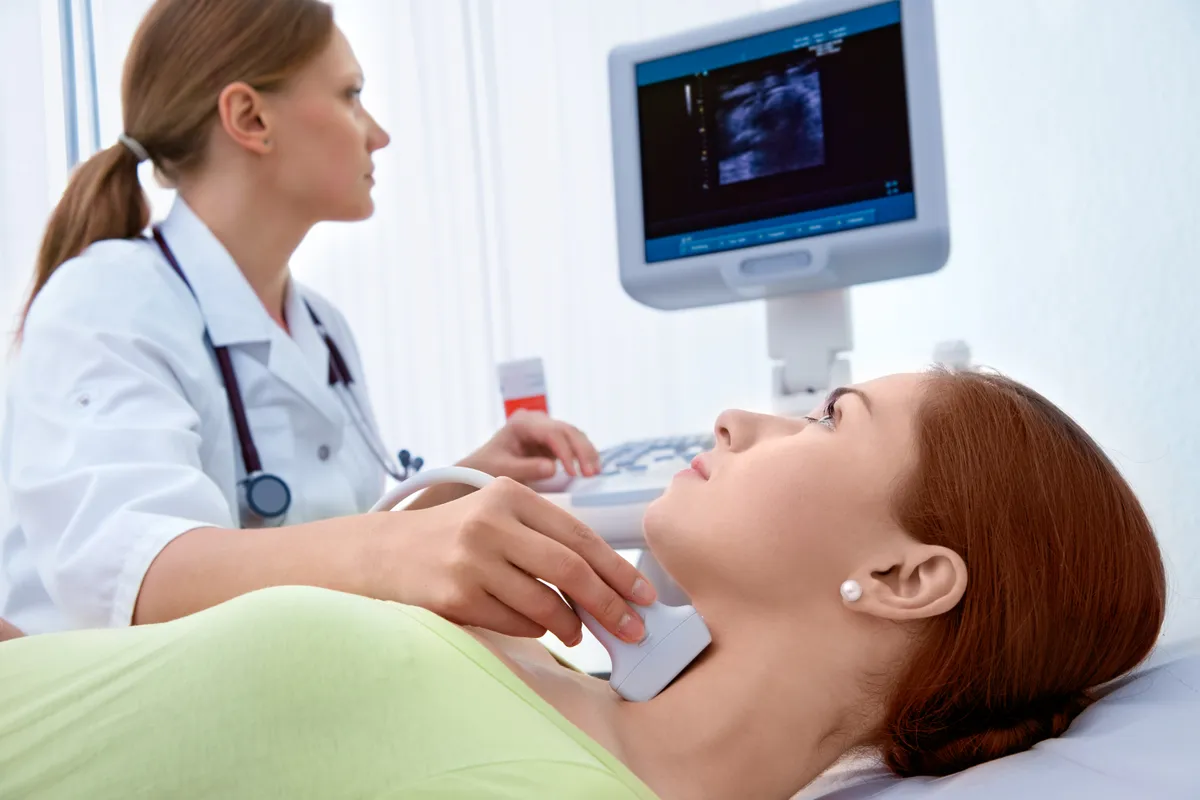
Thyroid conditions can manifest as fatigue, changes in body weight, palpitations, or shifts in general wellbeing — symptoms that are easily attributed to other problems. Beyond medical causes, the health of this gland can also be influenced by exposure to certain substances in the environment. Dr. Andra Neacșu, a specialist endocrinologist, explained in an interview with Digi24.ro the main signs of a thyroid problem, what can cause them, and when a specialist consultation is recommended.
What the thyroid is and what it does
The thyroid is a small gland, roughly 5–7 centimetres in size, located in the lower part of the neck, shaped somewhat like a butterfly. It produces the hormones T3 (triiodothyronine) and T4 (thyroxine), which are essential for numerous bodily functions — from growth and metabolism to heart activity, body weight, and cholesterol levels.
The thyroid plays an important role from pregnancy onwards: during the first three months, the foetus receives thyroid hormones from the mother via the placenta, after which the foetal thyroid begins producing them independently. For this reason, normal thyroid function in the mother is particularly important during the first trimester.
Signs of hypothyroidism (an "underactive" thyroid)
Among the most common reasons patients visit an endocrinologist are a sensation of tightness or a "lump in the throat", as well as a visible or palpable mass in the neck area — which may be a thyroid nodule, but could also be something else, making medical evaluation necessary.
Other common signs include: persistent fatigue, lack of energy, difficulty concentrating, memory problems, excessive drowsiness, hair loss, dry and dull hair, and brittle nails.
In hypothyroidism, when the thyroid functions more slowly than the body requires, the following may occur: slowed bowel movements, weight gain, fluid retention, muscle aches, depressive states, a reduced heart rate, and cold intolerance (the person feels cold even when the ambient temperature is warm).
Signs of hyperthyroidism (an overactive thyroid)
When the thyroid produces too many hormones, the body's processes accelerate abnormally. The first signs may be agitation, irritability, and a constant sense of restlessness.
Palpitations, a rapid heart rate, and hand tremors may also occur. An accelerated metabolism can lead to rapid weight loss, even when appetite remains high or increases further. Other symptoms include excessive sweating, heat intolerance, muscle aches, frequent bowel movements, insomnia and difficulty resting — which in turn compound the agitation and daytime fatigue. Hyperthyroidism can also cause significant heart rhythm disturbances, including atrial fibrillation.
Thyroid enlargement (goitre) can occur in both hypothyroidism and hyperthyroidism, and does not necessarily indicate the presence of a nodule — the gland may enlarge as a whole. Both conditions can also have implications for ovarian function.
Causes of hypothyroidism
The most common cause is Hashimoto's autoimmune thyroiditis, in which the immune system attacks thyroid tissue and gradually reduces the gland's ability to produce hormones. Other causes include: thyroid surgery (partial or total removal of the gland), radiotherapy to the neck area used in the treatment of certain cancers, certain immunological therapies, postpartum thyroiditis, and subacute thyroiditis following infections (including viral infections) — in the latter case, thyroid function may recover spontaneously.
Iodine deficiency, another possible cause, is now far less common in Romania thanks to the national salt iodisation programme, which has significantly reduced cases of endemic goitre and iodine-related hypothyroidism.
Causes of hyperthyroidism
One significant cause is autoimmune disease, in which the body produces antibodies that overstimulate the thyroid. Another cause is thyroid nodules that begin to function independently of the normal regulatory mechanism between the thyroid and the pituitary gland — a single nodule with autonomous hormone production is known as a toxic adenoma (autonomous nodule).
Hyperthyroidism can also occur in subacute thyroiditis, which initially releases an elevated quantity of hormones before the gland's function returns to normal. Excess iodine is another risk factor — in contrast to iodine deficiency, which predisposes to hypothyroidism. Additionally, an excessively high dose of thyroid hormones administered as replacement therapy for hypothyroidism can cause hyperthyroidism. More rarely, the cause is a pituitary tumour that overproduces thyroid-stimulating hormone.
Perfumes and cosmetics can affect the thyroid
The environment contains numerous chemical substances with the potential to disrupt the endocrine system, which may act similarly to hormones or bind to hormone receptors. Such compounds are found in plastics, cleaning products, cosmetics, and perfumes.
Exposure cannot be entirely eliminated, but it can be reduced by checking the ingredients in cosmetic products and opting for formulations that are as simple as possible — there are even apps that allow you to check a product's composition. With regard to perfume, a simple measure is to spray it on clothing rather than directly onto the skin around the neck, and moderate use remains important, as exposure also depends on the quantity and concentration of the substances involved.
Tests and investigations for checking the thyroid
A patient may be referred to an endocrinologist by their GP or following abnormal findings in routine blood tests. The first tests to be assessed are TSH and FT4, which may also be requested by a GP; if the results are abnormal, a referral to an endocrinologist follows, along with a discussion about symptoms, when they first appeared, and how they have progressed.
Depending on the clinician's suspicion, additional tests may be recommended: anti-thyroid peroxidase (anti-TPO) and anti-thyroglobulin antibodies for autoimmune conditions, and anti-TSH receptor antibodies (TRAb) if Graves' disease — which can cause hyperthyroidism — is suspected.
Thyroid ultrasound plays an important role, revealing structural changes in the gland and enabling the assessment of nodules (size, number, and characteristics). If any suspicious features are identified, the clinician may recommend further investigations, including a thyroid biopsy where indicated.
In broad terms, an elevated TSH combined with a low FT4 may indicate hypothyroidism, whilst a low TSH combined with elevated FT4 and/or T3 levels may suggest hyperthyroidism. However, a diagnosis is never made on the basis of a single test — hormone and antibody results are always interpreted alongside the patient's symptoms.
Content paraphrased and adapted by SeniorHelp from verified public sources.
Original source: Digi24 →Previous article
CASS from pensions: 3.2 billion RON collected in 7 months, the tax remains in force
Next article
The Government has approved 2.1 million RON for 479 families in emergency situations
Similar news

Artificial intelligence can estimate cancer survival chances from a selfie
20 October 2026
 Foto ilustrativă
Flu vaccines delayed: over 350,000 doses to reach pharmacies by the end of the week
19 October 2026
At 86, Two Serious Cardiovascular Conditions Discovered by Chance
19 October 2026

What is the ideal sleep duration? Researchers have calculated it precisely, in hours and minutes
19 October 2026
Late-night eating linked to increased risk of fatty liver disease and cirrhosis, study shows
19 October 2026
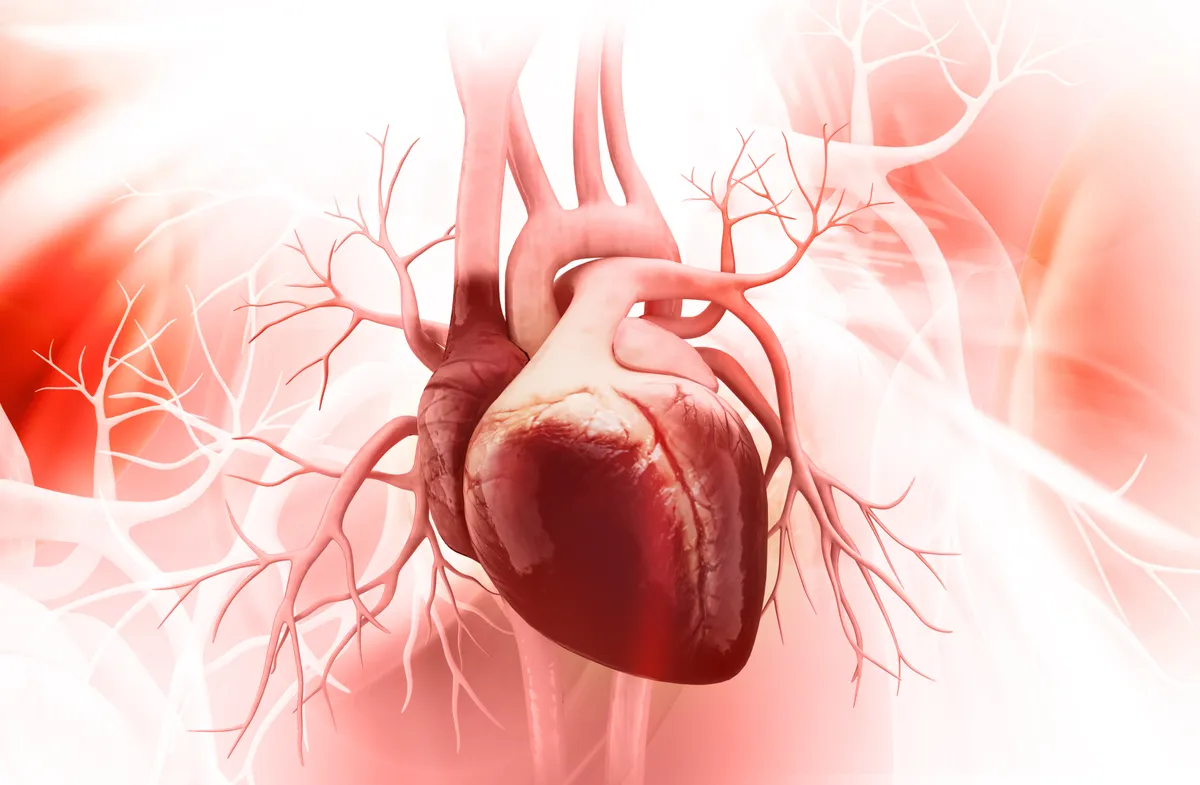
The heart has its own "mini-brain": what a recent study has discovered about its neuronal network
19 October 2026