
Sildenafil from Viagra Studied for Its Ability to Limit the Spread of Cancer
Researchers from Israel's Weizmann Institute have identified the mechanism by which sildenafil, combined with statins, could reduce metastases, based on data from 5 million patients.
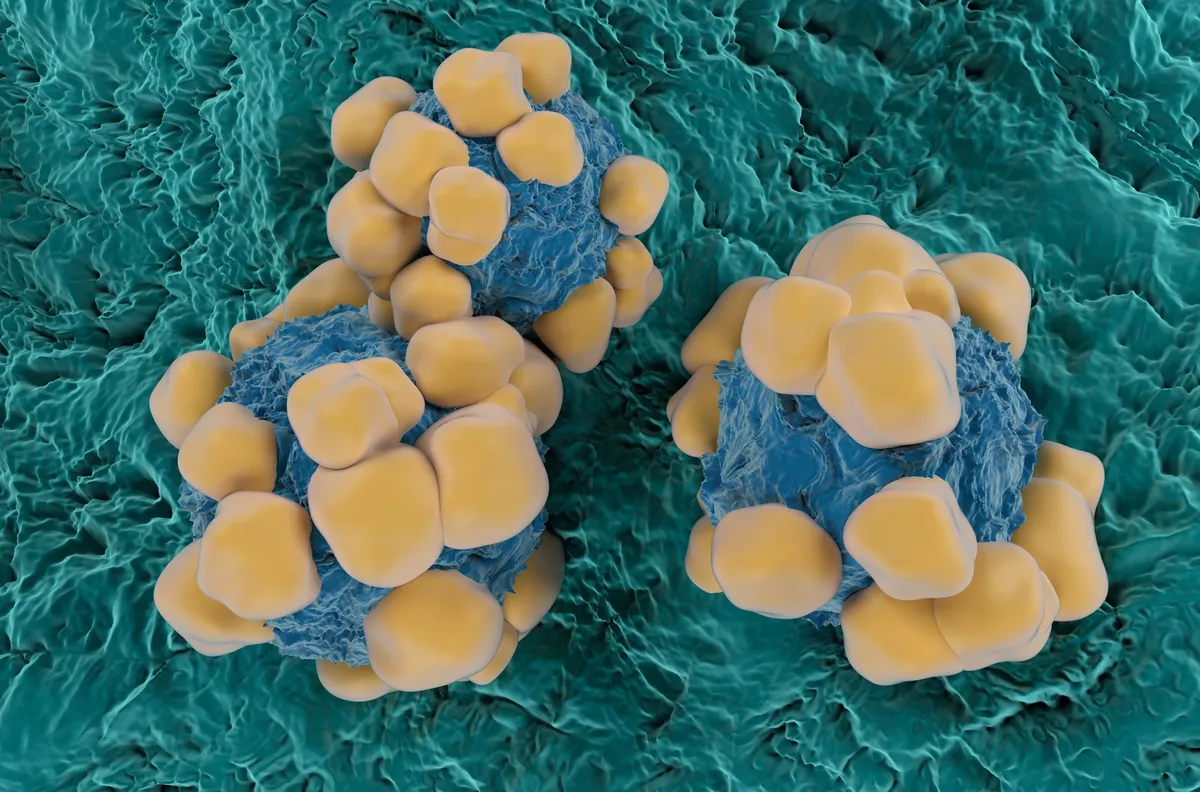
Researchers in Israel claim to have discovered how sildenafil, the active substance in Viagra, could help limit the spread of cancer throughout the body, according to The Times of Israel.
The study, conducted by a team from the Weizmann Institute of Science and peer-reviewed by independent specialists, was led by Dr Yarden Ariav in the laboratory of Prof. Ayelet Erez, in collaboration with researchers from Prof. Eytan Ruppin's laboratory at the National Cancer Institute in the United States, the Innovation Division of Clalit Health Services (Israel's national healthcare provider), and clinicians at Clalit-Beilinson Hospital. The findings were published in July in the journal Cancer Research.
The conclusions are based on three sources of data: experimental mouse models, cancerous cell cultures derived from human patients, and information collected over 20 years from approximately 5 million Clalit insured members.
Which cancer types were tested
The laboratory experiments focused primarily on triple-negative breast cancer, melanoma, and lung cancer. According to Ayelet Erez, the analysis of real patient data confirmed the observations made in male mice, as well as in cases of lung, colon, and prostate cancer.
Erez noted that the next step will be a clinical trial in which sildenafil — traditionally associated with men's health — will be administered to women: "The most important thing we need to do now is a clinical trial to administer Viagra to women with triple-negative breast cancer."
The mechanism: blocking the cholesterol used by cancer cells
Sildenafil was originally developed for cardiac conditions owing to its ability to dilate blood vessels, before being approved in 1998 for the treatment of erectile dysfunction.
In the study, the drug was administered to both male and female mice, as well as to human cancer cells. Using high-resolution cellular imaging, the researchers observed that the substance rapidly blocks an enzyme known as phosphodiesterase type 5 (PDE5), which triggers a sudden rise in levels of cyclic GMP (cGMP), an important chemical messenger.
This cGMP then "captures" a protein responsible for cholesterol transport — an essential element that cancer cells require in order to invade other organs. Deprived of this cholesterol, the cancer cells lost their ability to spread, resulting in a significant reduction in the number of metastases.
"We discovered a new biological pathway and demonstrated how it can be exploited," said Ayelet Erez, who is also a practising physician, principal investigator, and Dean of the Miriam and Aaron Gutwirth Faculty of Medicine at the Weizmann Institute.
However, the researchers found that the cancer cells fought back: once sildenafil had depleted the available cholesterol, they activated their own cholesterol-producing mechanism. At this point, the scientists introduced statins — medications commonly used to lower cholesterol, currently taken by more than 200 million people worldwide, according to Johns Hopkins University. The combination of sildenafil and statins kept cholesterol levels low and prevented the cancer from spreading.
Verification using data from over 5 million patients
The laboratory findings were verified by Dr Samah Hayek, a senior epidemiologist at Clalit Health Services and associate professor in the Department of Epidemiology and Preventive Medicine at Tel Aviv University. The Weizmann researchers asked her to examine what had happened to cancer patients who had received both Viagra and statins in the six months prior to their cancer diagnosis.
The data showed that survival rates were highest amongst patients who had taken both medications before their diagnosis. "We used various statistical and epidemiological methods to account for numerous different factors and found that the results were consistent with what the Weizmann researchers observed in the mouse modelling," explained Hayek.
Dr Ido Wolf, Head of Oncology at the Tel Aviv Medical Centre and Dean of Tel Aviv University's Faculty of Medicine, who was not involved in the study, remarked that the research highlights "a fascinating and underappreciated aspect of cancer biology." He explained: "Metastatic cancer cells are critically dependent on cholesterol, and disrupting its intracellular transport represents a previously unidentified therapeutic vulnerability." Wolf also highlighted the potential of repurposing widely available medications such as sildenafil and statins.
Ayelet Erez added that the message of the research extends beyond cancer mutations or the tumour environment: "We need to include patients in the equation. What they eat, their physical activity, and the medications they take. It is important to view patients as a whole organism."
Content paraphrased and adapted by SeniorHelp from verified public sources.
Original source: Digi24 →Previous article
Pensioners share harsh testimonies about poverty: "The pension is gone within a few days"
Next article
USA: first deaths from cyclosporiasis outbreak, possibly linked to iceberg lettuce
Similar news

He Survived Colon Cancer Three Times. He Hid the First Sign for Years
13 October 2026

DXA Osteodensitometry: how bone density and fracture risk are assessed
13 October 2026

Chronic inflammation can damage the heart before symptoms appear, shows a study of 488,000 people
13 October 2026

Hepatitis A in Constanța: 23 outbreaks, 130 cases, under DSP monitoring
12 October 2026

Groin swelling: what it could indicate
12 October 2026
 Foto ilustrativă
GPs warn: flu vaccination should not be delayed
11 October 2026