
Six myths about nutrition that seniors still believe
Specialists debunk common nutrition myths that can influence the dietary choices of older adults.
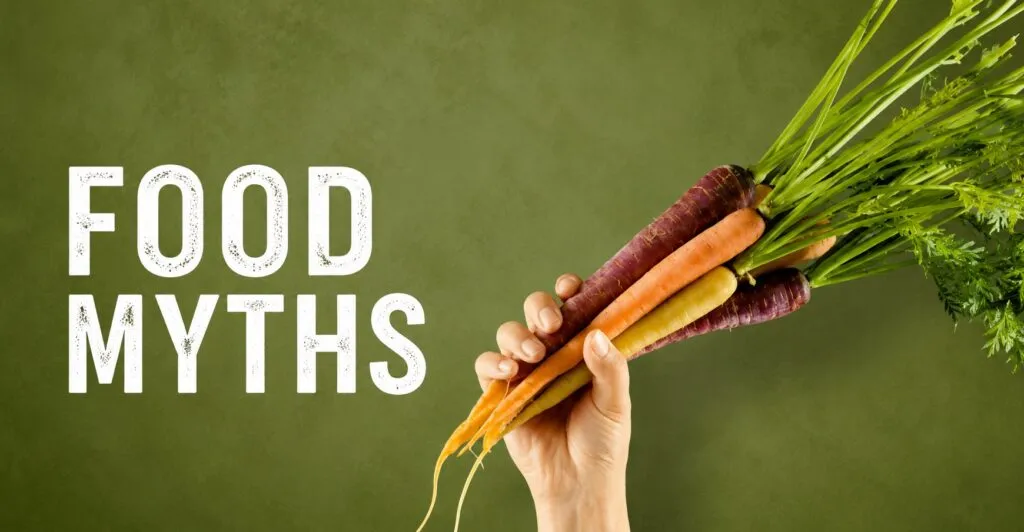
Many popular beliefs about nutrition that we consider absolute truths are, in reality, myths that have persisted over the decades. For older adults, who are more vulnerable to nutritional misinformation, understanding the reality behind these claims can have a significant impact on their health.
Carrots and night vision – a wartime myth
One of the most widespread beliefs is that carrots improve vision in the dark. Although carrots contain vitamin A, which is essential for normal eye function, eating them does not grant any special night vision abilities. This myth originated from British propaganda during the Second World War, when authorities promoted the idea to conceal their use of radar technology against the German air force.
Breakfast – an overstated importance
The saying that "breakfast is the most important meal of the day" was popularised in 1917 by the cereal industry. For older adults, the importance of breakfast depends on their lifestyle, the medications they take, and their individual health needs – not on some universal biological rule.
Hydration and the eight glasses of water
The recommendation to drink eight glasses of water a day overlooks a crucial point: a significant portion of the body's hydration needs are met through food. For older adults, who may experience a diminished sense of thirst, monitoring hydration should take into account total fluid intake, including that from food.
Spinach and iron – a complicated story
For decades, spinach was believed to be an exceptional source of iron due to an old miscalculation. Recent research suggests that both the myth of its high iron content and the explanation involving a transcription error were amplified without solid evidence to support them.
The impact on older adults
For older adults, these myths can influence important dietary decisions. Many seniors base their diet on beliefs they learnt in their youth, unaware that some of these lack a solid scientific foundation. Understanding the nuances behind nutritional recommendations becomes essential for maintaining a balanced diet in later life.
Specialists emphasise that, at a time when information about nutrition spreads rapidly, verifying sources and consulting healthcare professionals remain fundamental to separating fact from fiction – particularly for older adults, who may be more vulnerable to medical misinformation.
Content paraphrased and adapted by SeniorHelp from verified public sources.
Original source: Mediafax →Previous article
Vitamin B12 Can Prevent Cognitive Decline in Seniors – Medical Explanations
Next article
The ideal bedroom temperature for rest – summer tips for seniors
Similar news
 Foto ilustrativă
GPs warn: flu vaccination should not be delayed
11 October 2026

GPs recommend flu vaccination before the epidemic spreads
11 October 2026

Depression in the elderly, mistaken for ageing: what signs to look out for
11 October 2026

Forgetfulness in Old Age: What's Normal and When to Visit PROMEMORIA for a Check-up
9 October 2026
Over 80,000 Respiratory Infections Recorded in Romania in One Week, INSP Data Shows
9 October 2026
 Foto ilustrativă
Elastografia hepatică: testul care arată cât de afectat este ficatul
9 October 2026