
Traditional remedies validated by science: what modern research teaches us
Recent studies confirm the effectiveness of several natural remedies used by previous generations for common health problems.
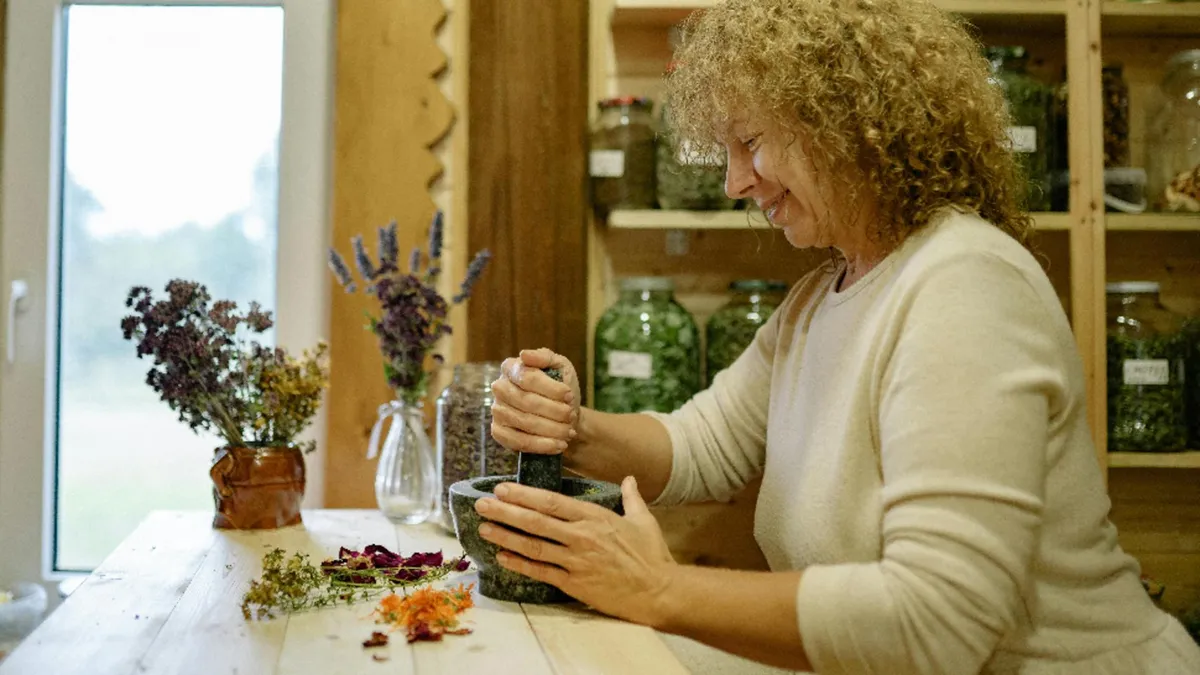
Modern medical research is offering surprising validation for many of the natural remedies that previous generations used as a matter of course. For today's seniors, these findings represent a confirmation of traditional wisdom and an opportunity to incorporate natural solutions into their healthcare.
Honey, one of the most valued traditional remedies, has demonstrated its effectiveness in treating coughs and mild respiratory infections. A 2020 meta-analysis confirmed that honey significantly reduces the frequency and severity of coughing compared with standard medical care. For older adults, who may be more sensitive to the side effects of medication, honey offers a gentle and effective alternative for relieving common respiratory symptoms.
Chamomile tea, a familiar drink in many Romanian households, has been scientifically validated for its digestive and calming properties. Research shows that chamomile extracts have a spasmolytic effect on intestinal muscles as well as anti-inflammatory properties. For seniors who frequently experience digestive problems or abdominal discomfort, chamomile tea can provide a natural and accessible solution.
The validated benefits of ginger and mint
Ginger, traditionally used for digestive complaints, has been extensively studied and confirmed for its anti-nausea effect. Research shows it can reduce the sensation of nausea across various patient groups and may speed up gastric emptying. For older adults who take multiple medications or experience age-related digestive problems, ginger represents a valuable natural supplement.
Peppermint, well known for its effects on digestion, has been confirmed as a carminative and antispasmodic agent. Although clinical evidence is more limited, peppermint extracts can relieve abdominal cramps and bloating — complaints that are common amongst older adults. The effect can vary from person to person, which underlines the importance of a personalised approach.
Therapeutic combinations and synergistic benefits
Modern research has also validated the use of combined herbal preparations. Preparations that combine chamomile with other antispasmodic plants have shown effectiveness in reducing the symptoms of irritable bowel syndrome, a condition that can significantly affect quality of life in older adults. These combinations may produce synergistic effects, offering more complete relief than individual herbs used in isolation.
Garlic and other vegetables from the Allium family have been associated in a recent study with a reduced risk of digestive cancers. Although the causal relationship requires further research, moderate consumption of garlic as part of the diet remains a healthy option with potential benefits for seniors.
Staying adequately hydrated through the consumption of herbal teas supports digestive function and general wellbeing. For older adults, who may experience a diminished sense of thirst, herbal teas can be a pleasant way to maintain hydration whilst simultaneously benefiting from the therapeutic properties of plants. This approach combines the benefits of hydration with the specific effects of phytotherapy, offering holistic support for both the digestive health and general wellbeing of seniors.
Content paraphrased and adapted by SeniorHelp from verified public sources.
Original source: Realitatea →Previous article
Shocking medical case: Accidentally swallowed toothpick causes colon perforation
Next article
Employers' Associations Call for Minimum Wage to Remain at 4,050 RON – Impact on Pensioners
Similar news
Peripheral Arteriography: the investigation that reveals blockages in the arteries of the legs and arms
25 September 2026

Socola Study: 6 in 10 Romanians Quickly Forget Essential Details. When Should We Be Concerned
25 September 2026

Palpitations, high blood pressure, chest pain: when you need a cardiologist
24 September 2026

Radiotherapy in the treatment of lung cancer: when and how it is used
24 September 2026

Aerophagia: when bloating and belching come from swallowed air, not from food
23 September 2026

Nearly 300,000 Romanians have dementia, and the number could reach 400,000 by 2050
22 September 2026