
Simplified procedures for diaspora doctors: direct benefits for senior care
The new reform facilitating the return of Romanian doctors from abroad could significantly improve elderly patients' access to quality specialists.

A new legislative initiative promises to radically transform Romania's medical landscape, with direct benefits for elderly care. The relevant authority is preparing measures to facilitate the return of Romanian doctors practising abroad, removing the bureaucratic obstacles that have discouraged them from coming back to the country.
For older people and their families, this reform represents a genuine opportunity to access higher-quality medical services. Doctors returning from major European medical centres bring with them extensive experience in treating age-related conditions — from diabetes management and cardiovascular disease, to the care of patients with dementia and post-stroke rehabilitation.
Infrastructure modernisation encourages specialists to return
Substantial investment in hospital modernisation has created an attractive environment for diaspora specialists. Stroke patient care programmes have made remarkable progress, now offering services comparable to those in Western Europe. For seniors suffering from this serious condition, the availability of doctors with experience in European centres of excellence can make the difference between life and death.
The new procedure eliminates lengthy waits for administrative approvals — a crucial factor in geriatrics, where prompt intervention can prevent serious complications. Specialist doctors in elderly care will be able to take up available posts directly, dramatically reducing the time before they can begin practising.
Improved transparency and accessibility
The proposed system will publish all available medical posts in a centralised format, making it easier for families to identify hospitals with internationally experienced specialists. This transparency is particularly valuable in senior care, where finding the right doctor can be critical to managing complex chronic conditions.
The streamlined procedure will accelerate the integration of doctors experienced in treating geriatric conditions — from osteoporosis and Parkinson's disease to chronic pain management and palliative care. This development comes as Romania faces an increasingly ageing population requiring specialist medical services.
For care homes and home care services, having a greater number of doctors with European experience available can mean higher-quality consultations and more effective treatment plans for their residents. Removing administrative barriers will allow these specialists to begin work more quickly, easing pressure on the healthcare system and raising standards of care for older people.
Content paraphrased and adapted by SeniorHelp from verified public sources.
Original source: Realitatea →Previous article
Natural Remedies Using Rosemary for Treating Varicose Veins in the Elderly
Next article
Signs That Your Liver Is Unhealthy and What Seniors Can Do to Help It Regenerate
Similar news
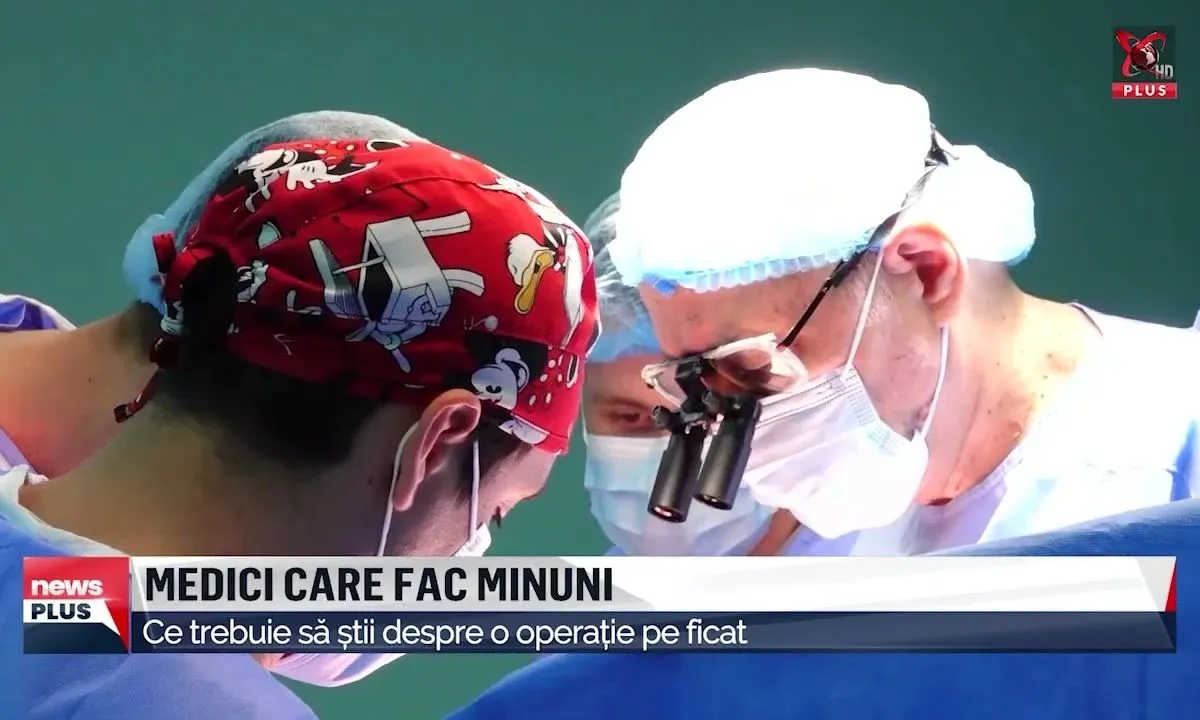
What a liver operation involves: preparation and recovery
15 October 2026

Cardiac MRI: the investigation that provides detailed images of the heart
15 October 2026

Chronic insomnia linked to higher risk of stroke, dementia and hospitalisation, shows study of 1.3 million people
14 October 2026
He Survived Colon Cancer Three Times. He Hid the First Sign for Years
13 October 2026

DXA Osteodensitometry: how bone density and fracture risk are assessed
13 October 2026

Chronic inflammation can damage the heart before symptoms appear, shows a study of 488,000 people
13 October 2026