
Serious Security Failures in Hospitals: Theft of Vital Equipment Puts Patients' Lives at Risk
Security incidents in Romanian hospitals are threatening patient safety, particularly that of elderly patients admitted to critical wards.
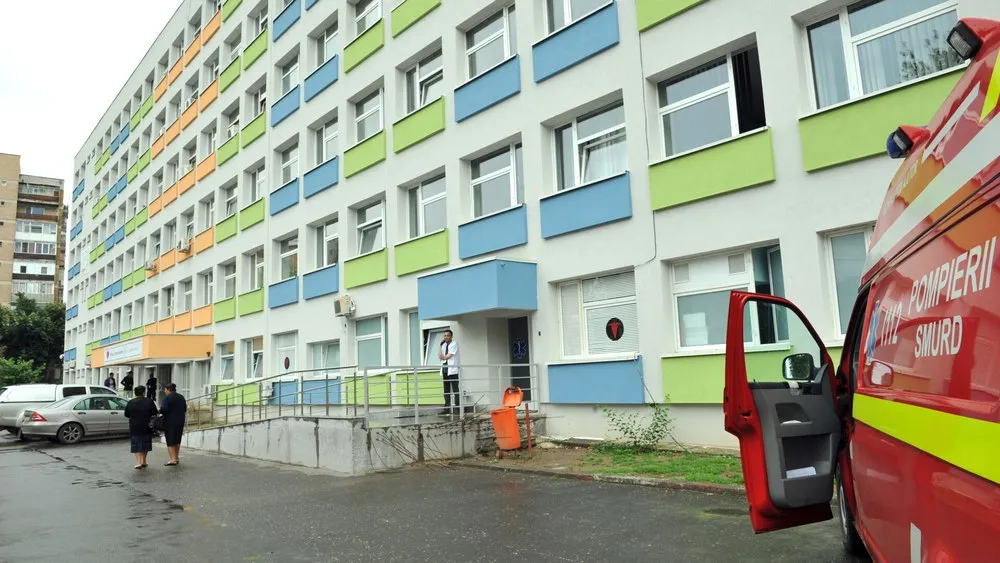
The Romanian healthcare system is facing serious security failings that endanger patients' lives — particularly those of elderly people requiring intensive care. A recent shocking incident has laid bare the system's vulnerabilities: an individual managed to break into a hospital and steal essential components from the oxygen supply system, leaving the Intensive Care Unit on the brink of tragedy.
This case highlights a systemic problem that disproportionately affects elderly patients, who are the most vulnerable and require constant monitoring. Older people admitted to hospital — especially those in a critical condition — depend entirely on the correct functioning of medical equipment, and any interruption can have fatal consequences.
Security failings in Romanian hospitals are not limited to this isolated incident. The guard and protection systems at medical facilities appear to be deficient on multiple fronts, from access control to the monitoring of critical areas where life-saving equipment is stored.
For families with elderly relatives in hospital, incidents such as this give rise to well-founded concern. Older patients need a safe and protected environment, and security breaches can compromise not only medical equipment but also the physical safety of those in their care.
Healthcare specialists warn that investment in modern security systems is essential for patient protection. Surveillance cameras, access control systems, and properly trained security personnel are basic measures that could prevent such incidents from occurring.
The current situation calls into question the entire safety management framework in public hospitals, and raises serious questions about the responsibility of hospital administrations in protecting vulnerable patients — among whom older people represent a particularly high-risk group.
Content paraphrased and adapted by SeniorHelp from verified public sources.
Original source: Adevărul →Previous article
Romania tops EU measles cases — heightened risk for seniors with weakened immunity
Next article
Smart patch for treating melanoma without surgical intervention
Similar news
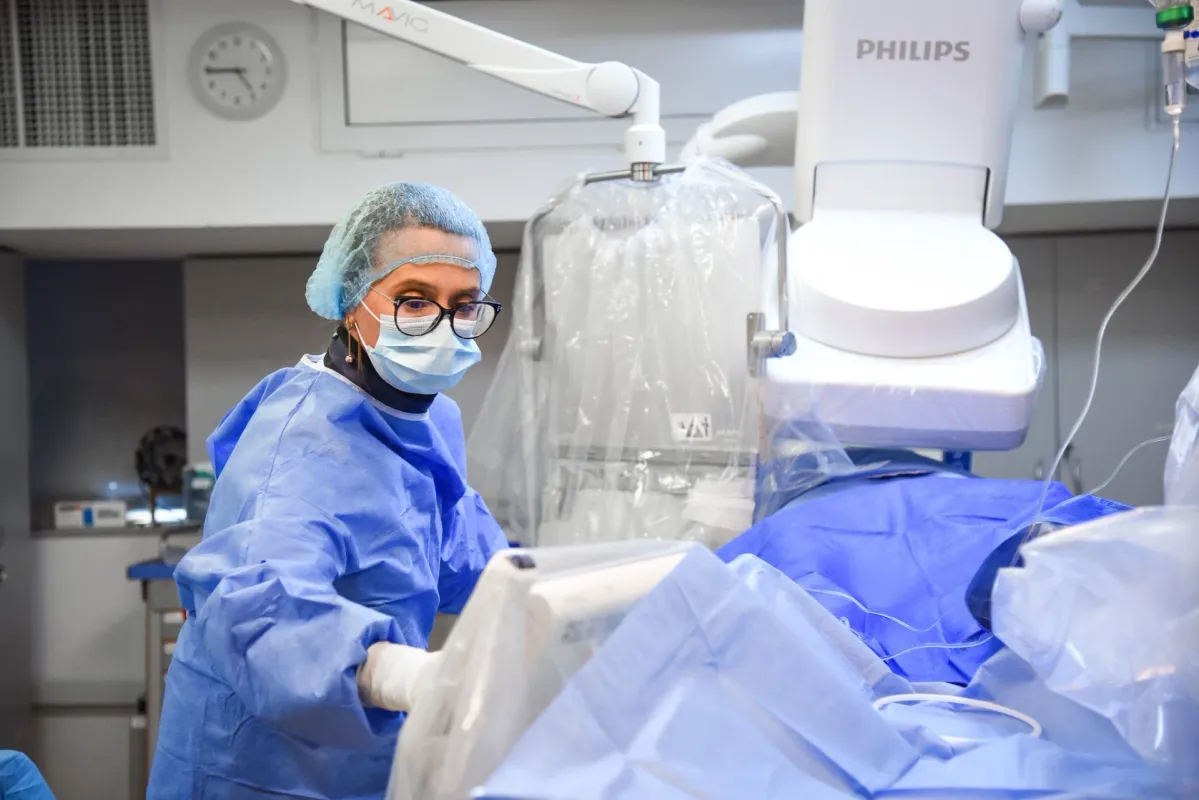
Peripheral Arteriography: the investigation that reveals blockages in the arteries of the legs and arms
25 September 2026

Socola Study: 6 in 10 Romanians Quickly Forget Essential Details. When Should We Be Concerned
25 September 2026
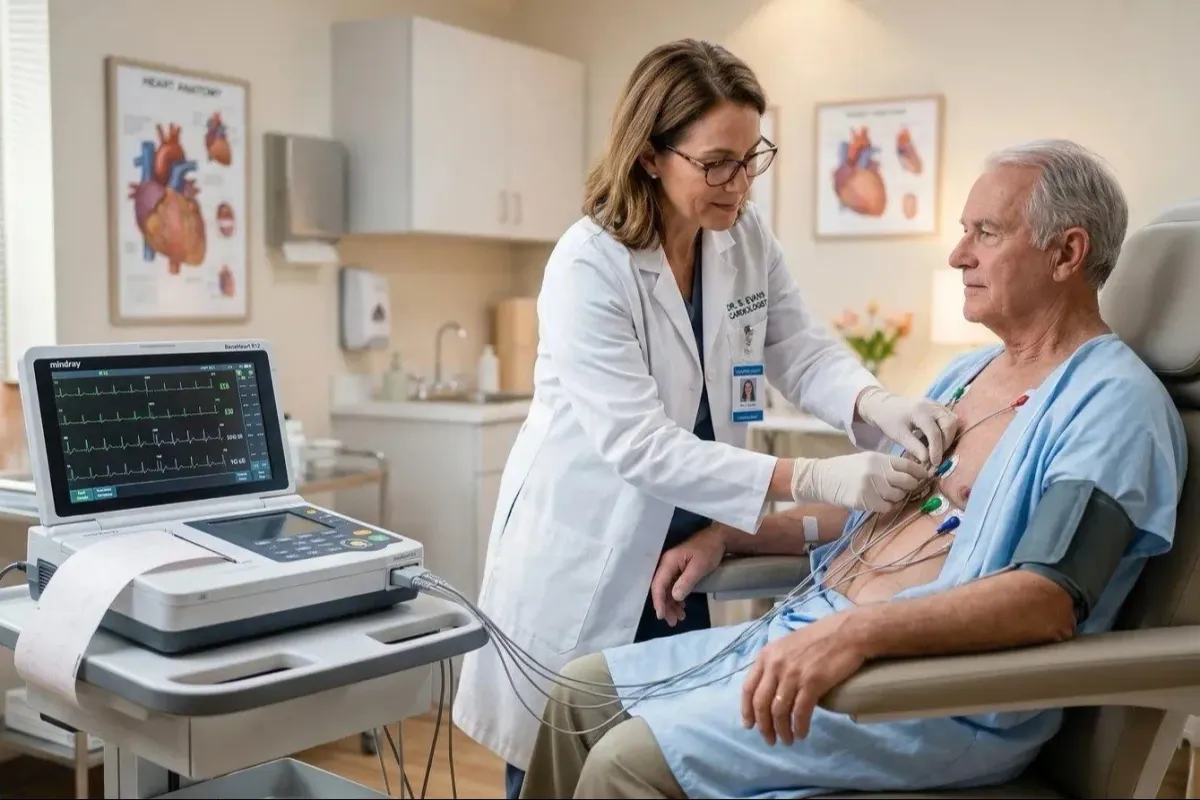
Palpitations, high blood pressure, chest pain: when you need a cardiologist
24 September 2026
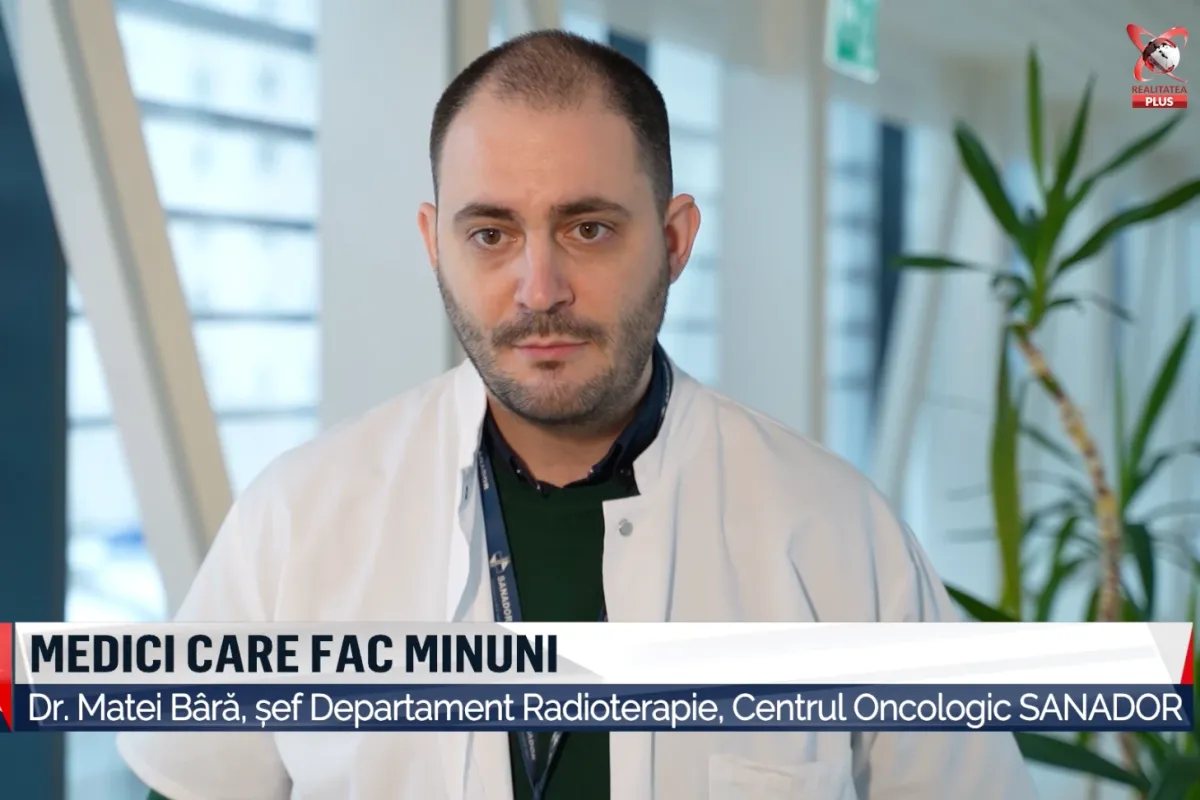
Radiotherapy in the treatment of lung cancer: when and how it is used
24 September 2026
Aerophagia: when bloating and belching come from swallowed air, not from food
23 September 2026
Nearly 300,000 Romanians have dementia, and the number could reach 400,000 by 2050
22 September 2026