
Pet cats can transmit serious illnesses to elderly people – international study
Canadian-American research shows that cats with free outdoor access pose an infection risk 3–5 times higher for their owners.
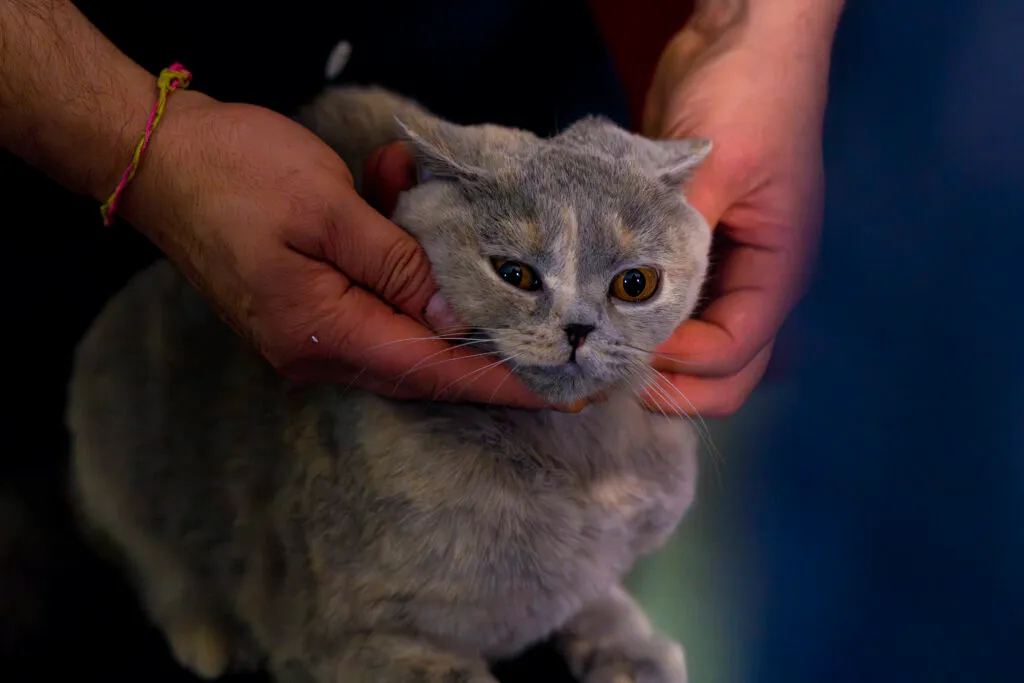
A recent study conducted by researchers from Canada and the United States has highlighted the risks that pet cats may pose to their owners' health, particularly for elderly people whose immune systems are more vulnerable.
The research, which analysed data from more than 400 studies, found that cats with unsupervised outdoor access carry a three to five times greater risk of infection with pathogens compared to those kept exclusively indoors. For seniors who own pets, these findings are particularly relevant.
Diseases transmitted through contact with wildlife
Specialists have identified nearly 100 pathogens that can be transmitted from cats to humans, including rabies, Salmonella, intestinal worms, and the parasite Toxoplasma gondii. The latter can be especially dangerous for people with compromised immune systems, a category that includes many elderly individuals.
Cats that roam freely outdoors frequently come into contact with rodents, birds, and other wildlife that carry diseases. Researchers estimate that owners underestimate their cats' actual hunting activity by approximately 80%, meaning that numerous interactions with potential disease carriers go undetected.
Contamination of outdoor environments
An additional risk is posed by cat faeces left in gardens and public spaces. These can contain parasite eggs that survive in soil and water for months or even years. According to estimates, free-roaming cats can produce more than 60 tonnes of faeces annually per 10,000 households.
Preventive measures for seniors
Experts recommend restricting unsupervised outdoor access as the primary protective measure. For elderly people, this may mean creating enclosed outdoor spaces for cats, using a lead for walks, or providing direct supervision whenever the animals go outside.
Veterinarians emphasise that whilst vaccination and parasite treatment are essential, they do not provide complete protection against all pathogens found in the outdoor environment. For seniors who own cats, regular consultations with a veterinarian and adherence to vaccination schedules are crucial in preventing illness.
The study concludes that cats kept exclusively indoors, or those with controlled outdoor access, can live equally long and healthy lives whilst simultaneously reducing the risks to their owners, particularly those who are most medically vulnerable.
Content paraphrased and adapted by SeniorHelp from verified public sources.
Original source: Mediafax →Previous article
Revolutionary gene therapy brings patients with severe lupus back into remission
Next article
Alarming Rise in Scams Involving Fake ANAF Representatives – How Seniors Can Protect Themselves
Similar news
 Foto ilustrativă
Vaccinul gripal gratuit în 2026: cine beneficiază și când e recomandat să te imunizezi
26 September 2026
Peripheral Arteriography: the investigation that reveals blockages in the arteries of the legs and arms
25 September 2026

Socola Study: 6 in 10 Romanians Quickly Forget Essential Details. When Should We Be Concerned
25 September 2026

Palpitations, high blood pressure, chest pain: when you need a cardiologist
24 September 2026

Radiotherapy in the treatment of lung cancer: when and how it is used
24 September 2026
Aerophagia: when bloating and belching come from swallowed air, not from food
23 September 2026