
New mRNA technology could strengthen the immune system of older adults
Researchers have developed an experimental method that uses the liver to produce immune cells, compensating for the natural weakening of the immune system in old age.
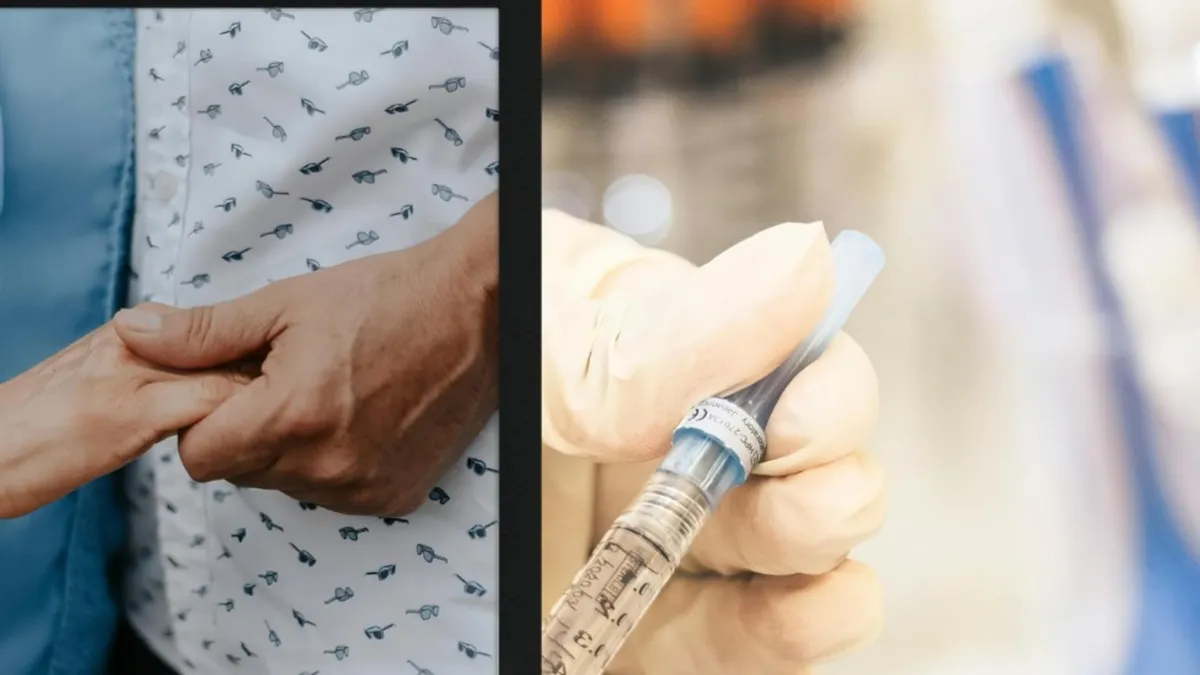
A groundbreaking scientific discovery could change the way we approach the ageing of the immune system. Researchers at the Massachusetts Institute of Technology (MIT) and the Broad Institute have developed an innovative technique that uses messenger RNA to help older organisms strengthen their natural defences against disease.
As people age, the production of T-lymphocytes — the cells that play a crucial role in fighting infections and disease — declines considerably. This reduction makes older people more vulnerable to illness and less responsive to vaccines, a problem affecting millions of seniors worldwide.
The innovative solution developed by the researchers is based on temporarily reprogramming the liver to take over the function of the thymus, the organ responsible for producing T-lymphocytes, which naturally atrophies with age. By injecting messenger RNA, the liver is "instructed" to produce three biological factors essential for the development and optimal functioning of these immune cells.
The results from animal model testing have been encouraging. Older mice treated with this technique demonstrated a significant improvement in immune function: they produced more active T-cells, responded more effectively to vaccination, and reacted better to cancer therapies.
This approach could offer hope for improving the quality of life of older people, providing better protection against infections and other conditions associated with ageing. However, the researchers emphasise that the technology is still at an experimental stage and requires extensive further study before it can be applied in humans.
The next step involves testing the method on other animal models to assess long-term safety and to refine the technique with a view to eventual clinical use. If proven safe and effective, this innovation could revolutionise the medical care of elderly people and contribute to healthier ageing.
Content paraphrased and adapted by SeniorHelp from verified public sources.
Original source: Realitatea →Previous article
Scandal at hospital: doctors exempt from on-call duties putting elderly patient care at risk
Next article
ANAF Automatically Writes Off Debts Under 40 RON – Good News for Pensioners at the Start of the Year
Similar news

Microplastics in tap water can be reduced through boiling and filtering, a study shows
16 October 2026
Over 350,000 doses of flu vaccine to arrive in pharmacies next week
16 October 2026
First influenza-related death of this season confirmed by INSP: unvaccinated man from Cluj
16 October 2026
Partial Nephrectomy: The Operation That Treats Kidney Tumours and Preserves the Kidney
16 October 2026

Time spent in nature could improve one's relationship with food, a British study suggests
16 October 2026
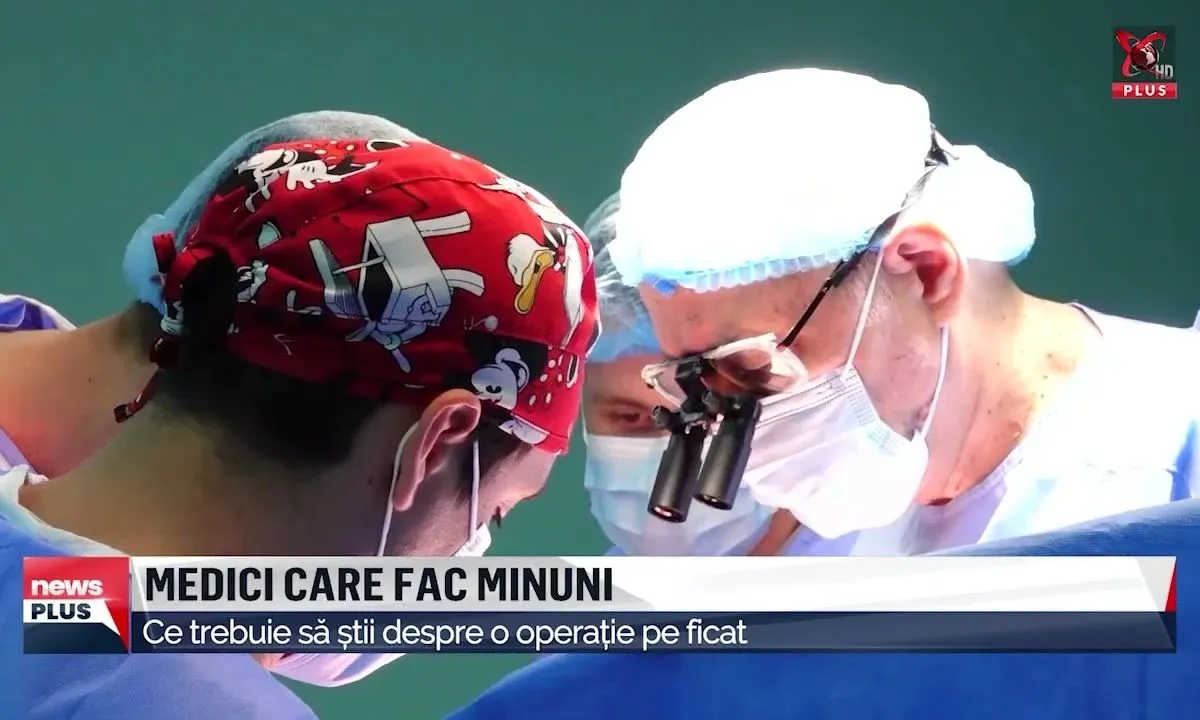
What a liver operation involves: preparation and recovery
15 October 2026