
New salary law could affect seniors' access to GPs
The proposed changes to doctors' pay could discourage GPs from remaining in the system, affecting primary care for the elderly.

A new controversy in the Romanian healthcare system could have a direct impact on medical care for older adults. The President of the College of Physicians of Romania, Cătălina Poiană, has raised the alarm over the proposed new healthcare pay legislation, which could create paradoxical situations within the medical system.
One of the main issues identified relates to the fact that resident doctors could end up earning less after advancing to a higher year of training — a situation that runs contrary to the normal logic of professional progression. This could discourage young doctors from continuing their specialist training.
Even more concerning for older adults who rely on their GP's services is the fact that, under the new proposal, a general practitioner would have a lower pay coefficient than a licensed senior nurse. This reversal of the salary hierarchy within the healthcare system could have serious consequences for the motivation of GPs.
For elderly people, GPs represent the first and most important point of contact with the healthcare system. They manage the chronic conditions associated with old age, monitor complex treatments, and coordinate medical care. Any decline in the motivation of these specialists could lead to a deterioration in the quality of primary care.
The situation is all the more critical given that Romania is already facing a severe shortage of doctors, particularly in rural areas, where many older adults do not have easy access to specialist medical services. GPs are often the only specialists that elderly people can see on a regular basis for routine check-ups and the management of chronic conditions.
Content paraphrased and adapted by SeniorHelp from verified public sources.
Original source: Digi24 →Previous article
TEZAUR Government Bonds with Interest Rates up to 7.25% – an Investment Opportunity for Pensioners
Next article
Social care staff in Cluj protest against the new pay legislation
Similar news

Microplastics in tap water can be reduced through boiling and filtering, a study shows
16 October 2026
Over 350,000 doses of flu vaccine to arrive in pharmacies next week
16 October 2026
First influenza-related death of this season confirmed by INSP: unvaccinated man from Cluj
16 October 2026
Partial Nephrectomy: The Operation That Treats Kidney Tumours and Preserves the Kidney
16 October 2026
Time spent in nature could improve one's relationship with food, a British study suggests
16 October 2026
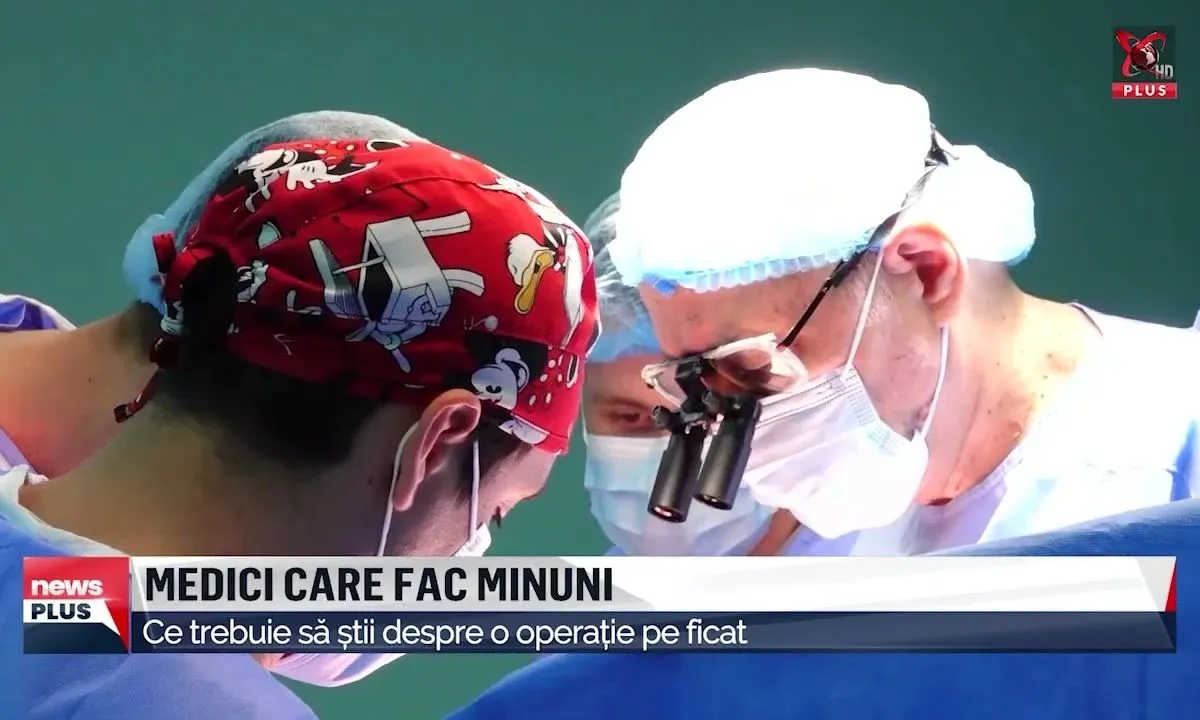
What a liver operation involves: preparation and recovery
15 October 2026